Owning a car is a big responsibility, and while most of us rely on our vehicles daily, many people overlook the importance of preventive maintenance. Neglecting routine care can lead to expensive repairs down the road and even compromise your safety. Whether you drive a compact car, SUV, or pickup, following a regular maintenance schedule is key to keeping your vehicle running smoothly. By taking a proactive approach, you can save money, extend the life of your vehicle, and avoid unexpected breakdowns.
1. Regular Oil Changes
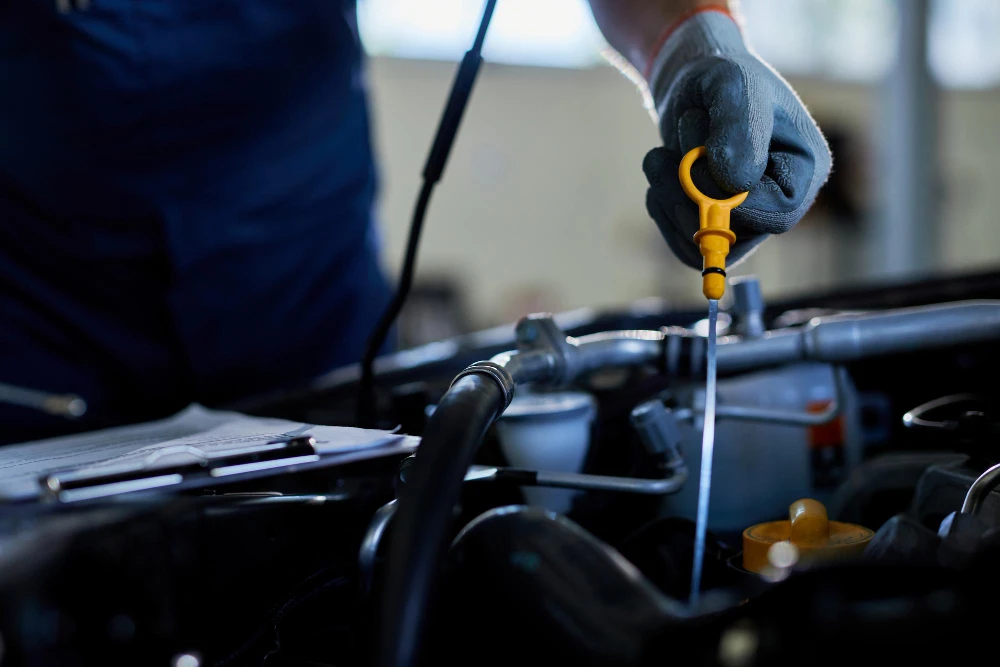
One of the simplest but most important preventive measures is regular oil changes. Engine oil lubricates the moving parts of your car, reducing friction and preventing wear. Over time, oil breaks down and becomes less effective, which can lead to overheating or engine damage. Most vehicles require an oil change every 3,000 to 7,500 miles, depending on the type of oil and manufacturer recommendations. Skipping this basic maintenance step is a common reason for costly engine repairs.
2. Check and Replace Fluids
Beyond oil, your vehicle relies on various fluids to operate properly. Transmission fluid, brake fluid, coolant, and power steering fluid all play a critical role in your car’s performance. Low or dirty fluids can lead to overheating, slipping gears, or brake failure. Regularly checking fluid levels and following manufacturer guidelines for replacement will keep your car in top condition and prevent serious mechanical issues.
3. Inspect Tires and Alignment
Tires are your car’s direct contact with the road, so maintaining them is essential. Check tire pressure monthly and keep it at the manufacturer-recommended level. Underinflated or overinflated tires wear unevenly, reducing traction and fuel efficiency. Additionally, schedule periodic tire rotations and wheel alignments. Misaligned wheels can cause uneven tire wear, affect handling, and put extra stress on suspension components, leading to expensive repairs if ignored.
4. Monitor Brake Performance
Brakes are one of the most critical safety systems in your vehicle. If you notice squealing, grinding, or a soft brake pedal, it’s time to have them inspected. Worn brake pads or rotors can damage other brake components and increase the cost of repairs. Routine brake inspections help identify issues early, keeping you and your passengers safe while avoiding a large repair bill.
5. Keep Your Battery Healthy
Car batteries typically last 3–5 years, but extreme temperatures and heavy use can shorten their lifespan. Signs of a failing battery include slow engine crank, dimming lights, or a check engine warning. Regularly inspecting battery terminals for corrosion, cleaning connections, and testing voltage can prevent unexpected failures. A dead battery at the wrong time can be more than inconvenient, it can also lead to towing and other repair costs.
6. Maintain Belts and Hoses
Belts and hoses are vital for engine operation and cooling. A broken serpentine belt can leave you stranded, while a burst radiator hose can cause severe engine overheating. Inspect belts and hoses for cracks, fraying, or leaks, and replace them as needed. These small investments in preventive maintenance can save hundreds, if not thousands, in repair costs later.
7. Follow the Manufacturer’s Service Schedule
Every car comes with a service manual outlining recommended maintenance intervals for fluids, filters, belts, and other components. Following this schedule ensures your vehicle receives the care it needs before problems escalate. Skipping scheduled maintenance might seem like a way to save money, but it often leads to much higher costs when major components fail.
8. Use a Trusted Automotive Repair Shop
Even if you perform basic checks at home, regular professional inspections are essential. Certified technicians can identify hidden issues that are easy to miss, such as suspension wear, fluid leaks, or early signs of electrical problems. For residents looking for reliable support, scheduling routine visits for automotive repair in Keller ensures your vehicle gets expert care while helping you avoid costly surprises.
9. Keep Your Car Clean
Regular washing and waxing might seem cosmetic, but it also protects your car’s paint and undercarriage from rust, salt, and other environmental damage. Rust and corrosion can spread to critical parts, eventually leading to expensive structural or mechanical repairs. A clean car not only looks good but also lasts longer.
10. Stay Alert to Warning Signs
Modern vehicles are equipped with dashboards full of warning lights and sensors. Don’t ignore check engine lights, unusual noises, or changes in performance. Early attention to these warning signs can prevent minor problems from turning into major repairs. When in doubt, it’s better to schedule a diagnostic check at a professional shop specializing in automotive repair in Keller.
Conclusion
Preventive maintenance is more than a recommendation, it’s a smart investment in the longevity and safety of your vehicle. By following a routine schedule of oil changes, fluid checks, tire maintenance, brake inspections, battery care, and professional check-ups, you can avoid costly repairs and enjoy a smoother, more reliable driving experience. Regular attention and care may require some time and money upfront, but it pays off in reduced stress, fewer emergencies, and a car that serves you well for years.
Whether you’re a seasoned car owner or just got your first vehicle, adopting these preventive maintenance tips will keep your car healthy, protect your wallet, and ensure peace of mind every time you hit the road.























Sign in to leave a comment.