
The loss of teeth can be a distressing experience, impacting not only one’s appearance but also functionality and overall quality of life. For individuals seeking a solution, removable partial dentures (RPDs) have emerged as a flexible and effective option.
This article explores the features, benefits, and practical considerations of removable partial dentures, highlighting why they may be the suitable choice for many individuals facing tooth loss.
Understanding Removable Partial Dentures
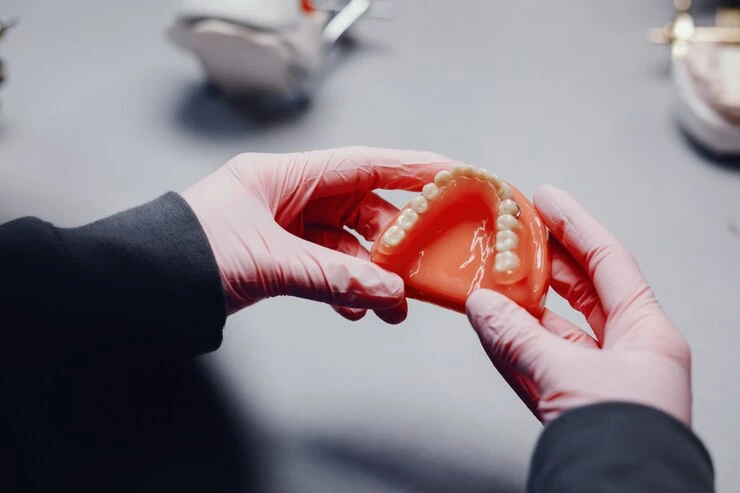
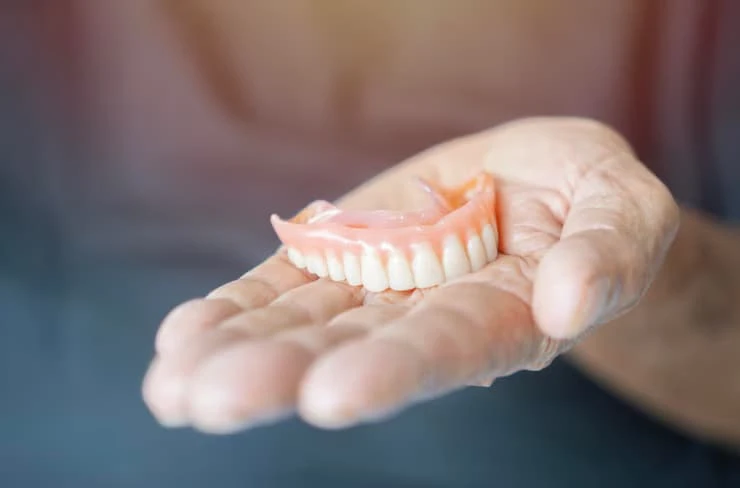
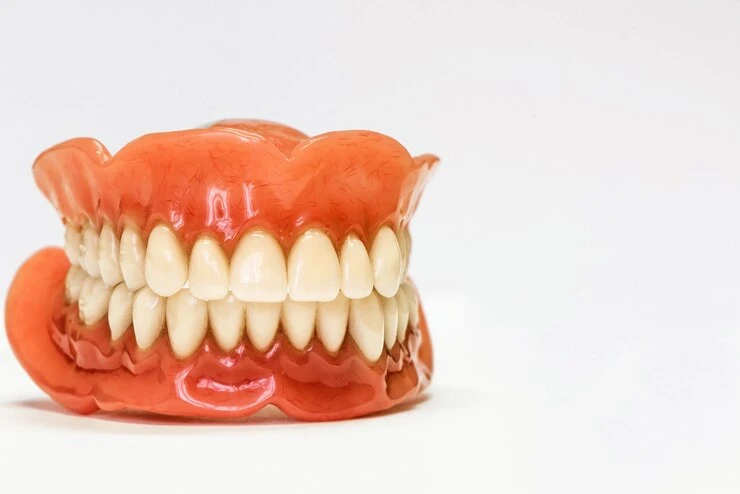
Removable partial dentures are dental appliances designed to replace one or more missing teeth while allowing for the retention of remaining natural teeth. Unlike complete dentures, which are used when all teeth in an arch are absent, RPDs are specifically tailored for those who still have some natural teeth. These dentures are custom-made and can be crafted from various materials, including acrylic resin, metal, or a combination of both.
The design of RPDs typically includes a base that mimics the appearance of gums, artificial teeth that replicate the natural teeth, and clasps that secure the denture to the remaining teeth, providing stability and support.
The Benefits of Removable Partial Dentures
1. Aesthetic Appeal
One of the primary advantages of removable partial denture is their ability to restore a natural appearance. By filling the gaps left by missing teeth, RPDs enhance facial aesthetics and boost self-confidence. The artificial teeth can be customised to match the colour and shape of existing teeth, ensuring a seamless integration into the smile.
2. Improved Functionality
Missing teeth can significantly hinder essential functions like chewing and speaking. RPDs restore these functions by providing a stable surface for biting and grinding food, as well as improving clarity in speech. This restoration allows individuals to enjoy a more varied diet and communicate without hesitation.
3. Preservation of Remaining Teeth
One of the unique advantages of removable partial dentures is their ability to support and preserve remaining natural teeth. By filling the gaps, RPDs prevent adjacent teeth from shifting or tilting into the empty spaces. This preservation is crucial for maintaining proper alignment and overall oral health.
4. Cost-Effectiveness
Compared to more permanent solutions such as dental implants, removable partial dentures are often a more affordable option. They provide a practical solution for individuals seeking to replace missing teeth without the financial burden associated with surgical procedures.
5. Non-Invasive Solution
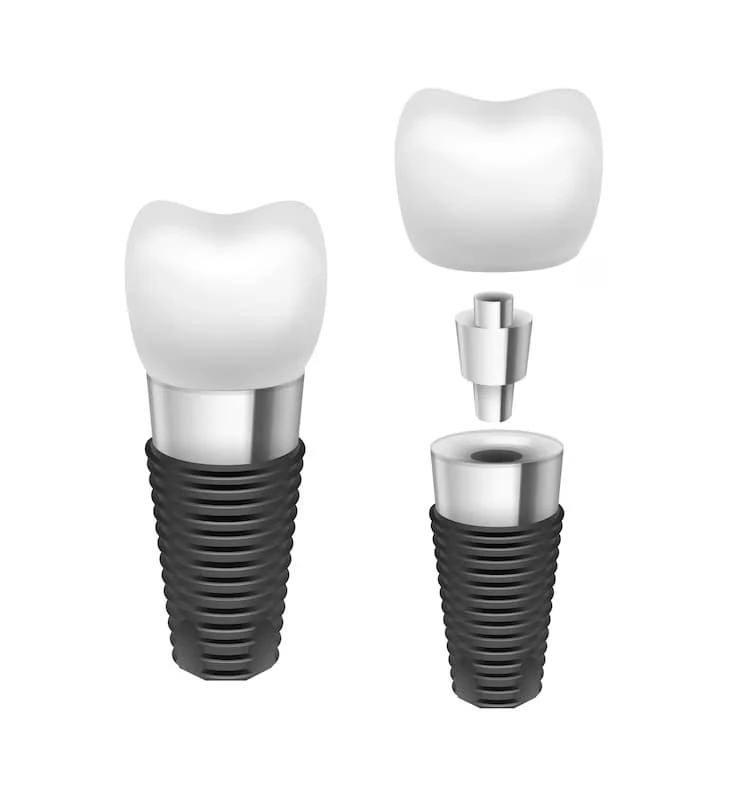
Obtaining removable partial dentures is a non-invasive process. Unlike dental implants, which require surgery to place titanium posts into the jawbone, RPDs can be fitted without surgical intervention. This makes them an attractive option for individuals who prefer a less invasive approach to tooth replacement.
6. Flexibility and Adjustability
Removable partial dentures are designed to be flexible and adjustable. They can accommodate changes in the mouth over time, such as shifts in remaining teeth or changes in gum tissue. If adjustments are needed, a dental professional can easily modify the fit and function of the dentures, ensuring continued comfort and effectiveness.
The Composition of Removable Partial Dentures
Removable partial dentures typically consist of several key components:
- Base: The base of the denture is designed to resemble the gums, providing a natural appearance while supporting the artificial teeth.
- Artificial Teeth: These are crafted to match the colour and shape of the patient’s existing teeth. They help restore the functionality of the dentition.
- Clasps: Clasps are essential for securing the denture to the remaining natural teeth. They grip onto the teeth, providing stability and preventing movement during activities such as eating and speaking.
The materials used in RPDs can vary. Acrylic is lightweight and can be tinted to match the natural gum colour, while metal components add strength and durability. The choice of materials depends on individual preferences, budget, and specific dental needs.
Caring for Removable Partial Dentures
Proper care and maintenance are crucial for the longevity and effectiveness of removable partial dentures. Here are some essential care tips:
1. Daily Cleaning
RPDs should be cleaned daily using a soft brush and non-abrasive cleaner. This helps remove food particles and plaque, preventing the buildup of bacteria that can lead to oral health issues. It is advisable to avoid regular toothpaste, as it can be too abrasive for the denture materials.
2. Soaking
In addition to daily cleaning, RPDs can be soaked in a denture cleansing solution overnight. This helps to keep them fresh and free from odours. However, it is essential to follow the manufacturer’s instructions regarding soaking solutions.
3. Oral Hygiene
Maintaining good oral hygiene is vital for both the remaining natural teeth and the gums. Individuals should continue to brush and floss their natural teeth daily, ensuring that any potential areas of plaque buildup are addressed.
4. Regular Dental Check-Ups
Regular visits to the dentist are essential for monitoring the condition of both the dentures and remaining natural teeth. Dentists can assess the fit of the RPDs, make adjustments as needed, and address any concerns that may arise.
Potential Challenges and Considerations
While removable partial dentures offer numerous benefits, there are some challenges and considerations to keep in mind:
1. Initial Adjustment Period
New users of RPDs may experience an initial adjustment period as they become accustomed to the feel of the dentures. It is not uncommon to experience minor discomfort or difficulty speaking and eating during this time. With practice, most individuals adapt quickly.
2. Maintenance of Fit
Over time, changes in the mouth—such as gum recession or shifting teeth—may affect the fit of the dentures. Regular dental check-ups are crucial to ensure that the RPDs remain comfortable and functional.
3. Potential for Discomfort
While RPDs are designed for comfort, some individuals may experience soreness or irritation, particularly in the early stages of use. If discomfort persists, it is essential to consult a dental professional for adjustments.
4. Limitations in Stability
While RPDs are stable when fitted correctly, they may not provide the same level of stability as fixed dental prosthetics, such as implants. Some individuals may find that they need to use denture adhesives for added security, particularly during eating or speaking.
Finding the Right Dental Professional
Selecting a qualified dental professional to create and fit removable partial dentures is essential for optimal results. A skilled dentist will conduct a thorough examination, discuss treatment options, and ensure that the dentures are tailored to meet the individual’s specific needs. Open communication with the dentist about preferences, concerns, and expectations can lead to a more satisfactory outcome.
Final Thoughts
Removable partial dentures offer a flexible and effective solution for individuals dealing with missing teeth. Their aesthetic appeal, functionality, and affordability make them a popular choice among those seeking to restore their smiles. By understanding the benefits, care requirements, and potential challenges associated with RPDs, individuals can make informed decisions about their dental health and explore options that best suit their needs. With proper care and regular dental check-ups, removable partial dentures can significantly enhance quality of life, allowing individuals to enjoy the simple pleasures of eating, speaking, and smiling with confidence.


























Sign in to leave a comment.