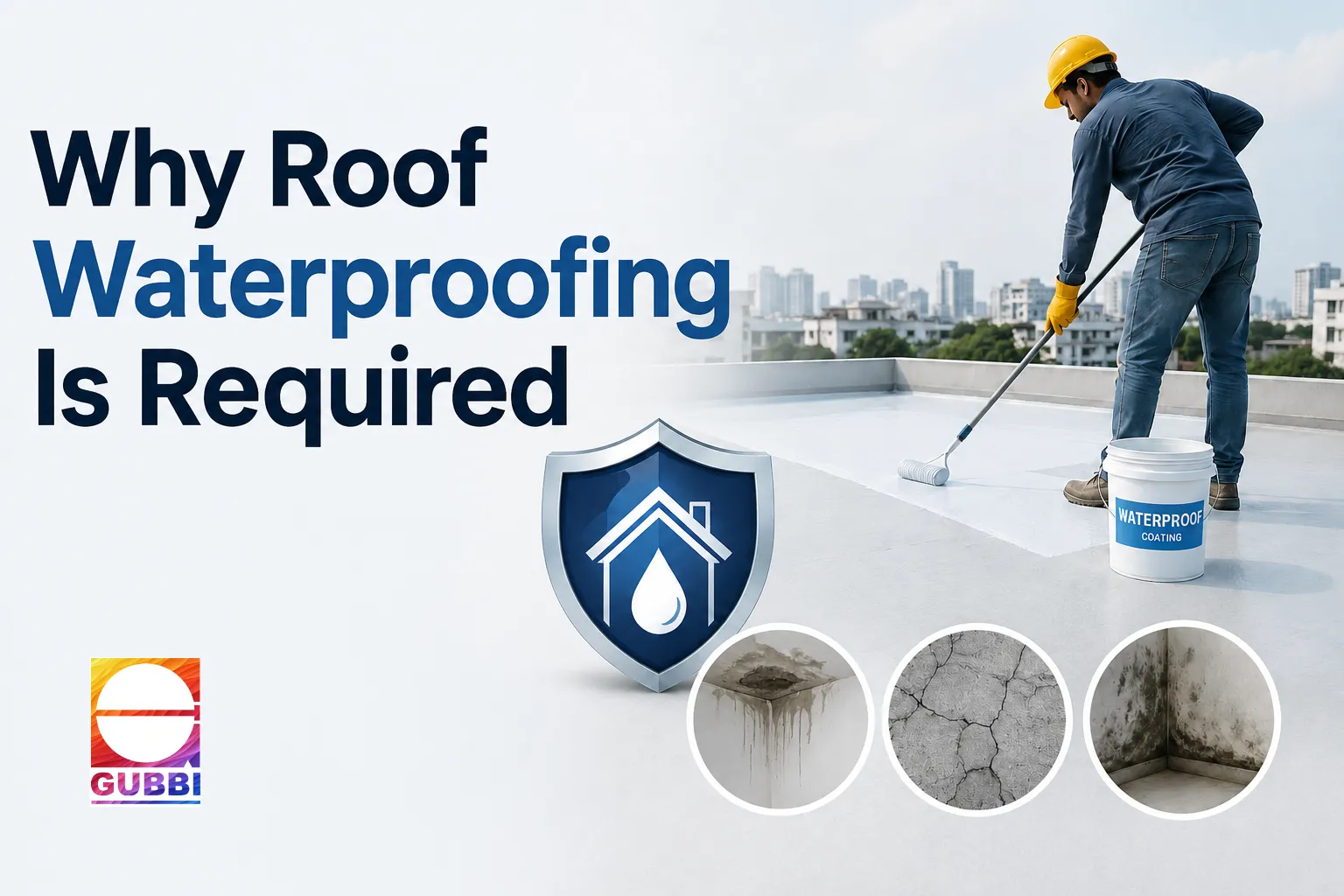

Roof waterproofing is one of the most important protective measures for any residential, commercial, or industrial building. In India, heavy rainfall, extreme heat, humidity, and poor drainage systems often lead to roof leakage, cracks, seepage, and structural damage. Proper roof waterproofing helps prevent water penetration and increases the life of the building structure. Whether it is a new construction or an old property, investing in roof waterproofing services can save property owners from expensive repairs and long-term structural issues.
What Is Roof Waterproofing?
Roof waterproofing is the process of applying specialized waterproof coatings, membranes, or chemicals on rooftops to stop water leakage and moisture penetration. It creates a protective barrier that prevents rainwater from entering the concrete slab and damaging the structure.
Modern waterproofing solutions are designed for:
- RCC terrace roofs
- Flat concrete roofs
- Residential terraces
- Commercial buildings
- Industrial roofing systems
- Old damaged roofs
Why Roof Waterproofing Is Required?
1. Prevents Roof Leakage During Monsoon
One of the biggest reasons for roof waterproofing is to stop rainwater leakage. Cracks and weak joints on terraces allow water to seep inside walls and ceilings during heavy rainfall.
Waterproofing creates a strong protective layer that blocks water entry and keeps interiors dry.
2. Protects the Building Structure
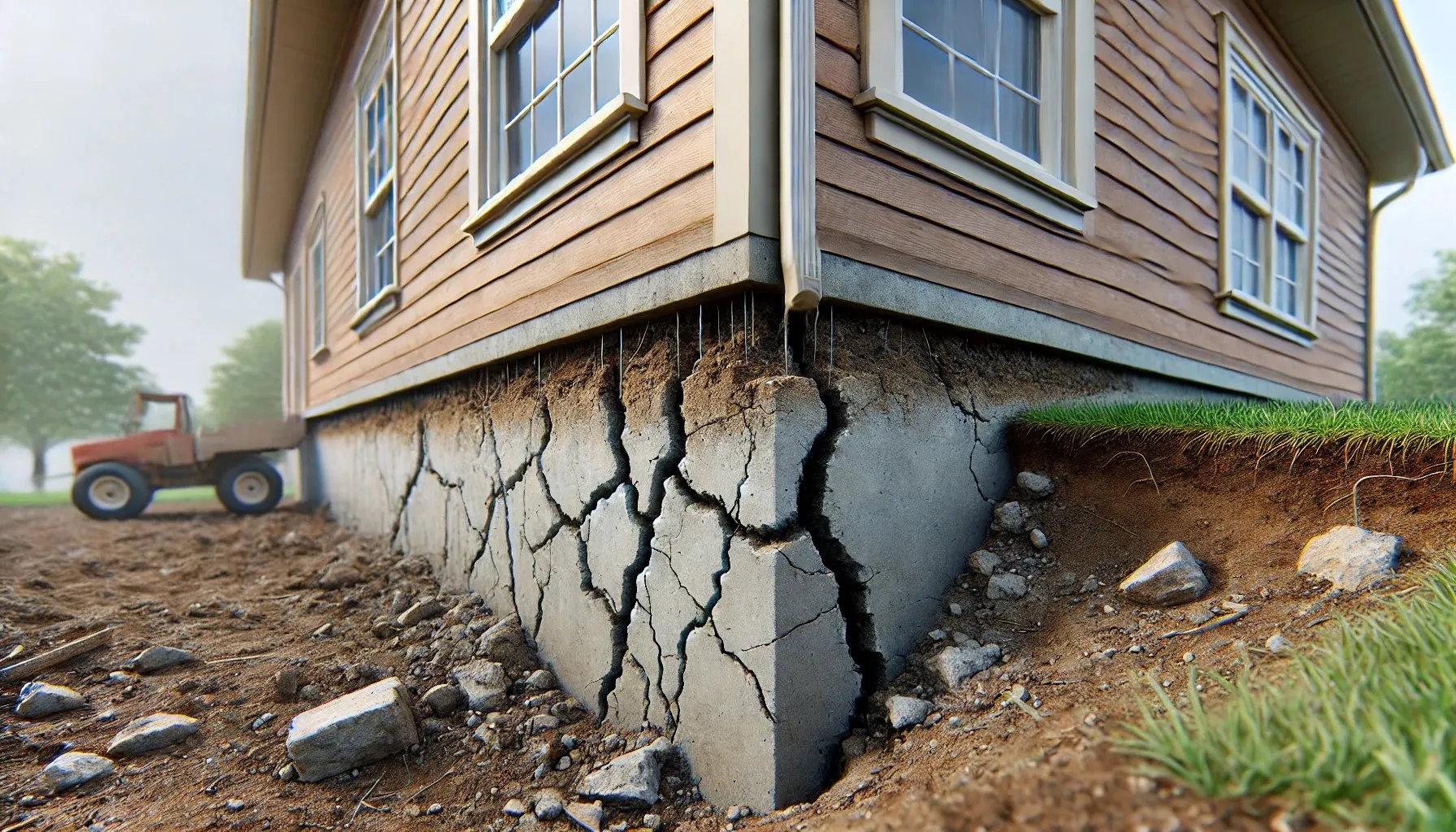
Continuous water seepage weakens concrete, steel reinforcement, and plaster. Over time, it causes:
- Concrete deterioration
- Steel corrosion
- Structural cracks
- Ceiling damage
- Mold and fungus growth
Roof waterproofing helps maintain the structural integrity of the building and prevents costly structural repairs.
3. Increases Roof Life
Indian weather conditions can severely affect exposed roofs. UV rays, rainwater, thermal expansion, and moisture reduce the lifespan of concrete roofs. Waterproof coatings improve roof durability and reduce weather-related damage.
4. Reduces Interior Damage
Water seepage from terraces often damages:
- Paint and wall putty
- False ceilings
- Electrical wiring
- Wooden furniture
- Flooring materials
Proper waterproofing prevents interior maintenance expenses and keeps the property in good condition.
5. Prevents Dampness and Mold Growth
Moisture trapped inside walls and ceilings creates unhealthy living conditions. Damp areas become breeding grounds for fungus, algae, and mold. Roof waterproofing helps maintain indoor hygiene and improves air quality inside homes and offices.
6. Saves Long-Term Repair Costs
Ignoring small roof cracks can lead to major structural problems later. Waterproofing acts as preventive maintenance and reduces future expenses on repairs and reconstruction.
It is more affordable to waterproof a roof early than repair severe leakage damage later.
7. Improves Property Value
Buildings with proper waterproofing systems are more durable and attractive to buyers and tenants. Waterproofed properties require less maintenance and have better long-term performance.
This is especially important for:
- Apartment buildings
- Commercial offices
- Industrial facilities
- Villas and independent houses
Common Causes of Roof Leakage
Understanding the causes of leakage helps property owners choose the right waterproofing solution.
Major Reasons Include:
- Cracks in RCC slabs
- Poor drainage systems
- Weather damage
- Low-quality construction materials
- Improper slope on terrace
- Expansion and contraction of concrete
- Aging waterproof layers
Best Roof Waterproofing Methods
Different roofs require different waterproofing techniques. Popular Waterproofing Solutions are as follows:
Liquid Waterproofing Membrane
A flexible coating applied on roofs to prevent water seepage.
Bituminous Waterproofing
Widely used for flat roofs and commercial buildings.
PU Chemical Waterproofing
Provides high flexibility and crack resistance.
Cementitious Waterproofing
Suitable for bathrooms, terraces, and water tanks.
APP Membrane Waterproofing
Ideal for long-term terrace protection against heavy rainfall.
Signs Your Roof Needs Waterproofing
You may need immediate waterproofing services if you notice:
- Water stains on the ceiling
- Peeling paint
- Damp walls
- Terrace cracks
- Musty smell indoors
- Ceiling leakage during rain
- Mold formation
Early waterproofing can prevent serious structural damage.
How long does roof waterproofing last?
Professional roof waterproofing can last between 5 to 15 years depending on the material used and weather conditions.
Which waterproofing is best for terrace roofs?
PU waterproofing, APP membrane waterproofing, and acrylic waterproof coatings are commonly used for terrace roofs.
Can old roofs be waterproofed?
Yes, old and damaged roofs can be repaired and waterproofed using crack filling, surface treatment, and waterproof membranes.
Is waterproofing necessary for new buildings?
Yes, waterproofing is essential for both new and old buildings to prevent future leakage and structural damage.
What happens if roof waterproofing is not done?
Without waterproofing, buildings may face leakage, concrete damage, steel corrosion, dampness, and reduced structural life.
Conclusion
Roof waterproofing is not just an optional maintenance activity; it is a necessary investment for protecting buildings from water damage, leakage, and structural deterioration. With increasing rainfall and extreme climate conditions in India, proper terrace waterproofing solutions help extend building life, improve safety, and reduce repair costs.
Whether you own a house, apartment, office, factory, or commercial property, choosing professional roof waterproofing services ensures long-term protection and peace of mind.





















Sign in to leave a comment.