

Businesses that operate across South India often face a simple but demanding reality: growth rarely follows a perfectly predictable pattern. Seasonal demand shifts, regional market differences, and expanding distribution networks require companies to constantly adjust how they store and manage goods. In this environment, static storage infrastructure quickly becomes a limitation.
This is where warehousing in Bangalore plays a central role. The city has gradually evolved into one of the most important logistics hubs for companies serving southern markets such as Tamil Nadu, Kerala, Andhra Pradesh, and Telangana. However, the real advantage does not come from location alone. It comes from the ability to scale storage capacity and operations as business needs evolve.
Scalable warehouses in Bangalore ensure that companies can grow without being restricted by storage limitations, operational inefficiencies, or rigid infrastructure.
The Strategic Importance of Bangalore for South Indian Businesses
The location of the city of Bangalore has ensured that it has come to function as one of the most critical hubs for businesses operating in the South Indian market. The location of the city makes it an ideal logistical center for businesses that aim to reach out to the South Indian market. In this context, the warehouses located in the city of Bangalore function as the central logistical center for many businesses operating in the South Indian market.
Several factors make the location of the city of Bangalore critical for the operation of the warehousing industry:
- A developed industrial infrastructure.
- A strong supply of labor with the requisite expertise.
- High connectivity with the key manufacturing hubs of the South Indian market.
- The availability of organized warehousing infrastructure.
These advantages make the city an ideal location for companies aiming to centralize and scale their storage activities.
The Limitations of Fixed Warehousing Capacity
Traditional warehousing models often assume relatively stable storage requirements. Businesses lease a fixed space and operate within that constraint for years. While this approach may have worked in slower-moving markets, modern supply chains rarely remain static.
Companies today face fluctuating demand cycles, product expansion, and regional market growth that can quickly outgrow existing infrastructure.
Without scalable warehousing, businesses may encounter several operational challenges:
- Space shortages during demand spikes lead to inefficient storage practices
- Inventory congestion that slows down handling and order processing
- Limited flexibility when introducing new product categories
- Operational disruptions when businesses are forced to relocate due to space limitations
These issues highlight why flexibility in warehousing capacity is now essential rather than optional.
How Scalable Warehousing Supports Business Growth
Scalable warehousing allows companies to expand or optimise storage capacity without disrupting ongoing operations. Instead of being restricted by fixed infrastructure, businesses can adjust their warehousing footprint in response to market needs.
A well-structured warehousing model supports growth in several ways. Before examining the specific advantages, it is important to recognise that scalability involves more than just additional space. It includes operational systems, workforce planning, and technology integration that allow storage facilities to adapt quickly.
Key benefits of scalable warehousing include:
- Flexible storage capacity: Businesses can expand storage areas during peak demand periods and optimise space during slower cycles.
- Efficient inventory flow: A scalable setup prevents overcrowding and maintains organised storage layouts, ensuring smooth movement of goods within the facility.
- Improved operational efficiency: Facilities designed for scalability can adjust handling processes without interrupting daily operations.
- Support for business expansion: As companies introduce new product lines or expand into additional markets, scalable warehouses can accommodate increased inventory volumes.
The Importance of Advanced Warehouse Management
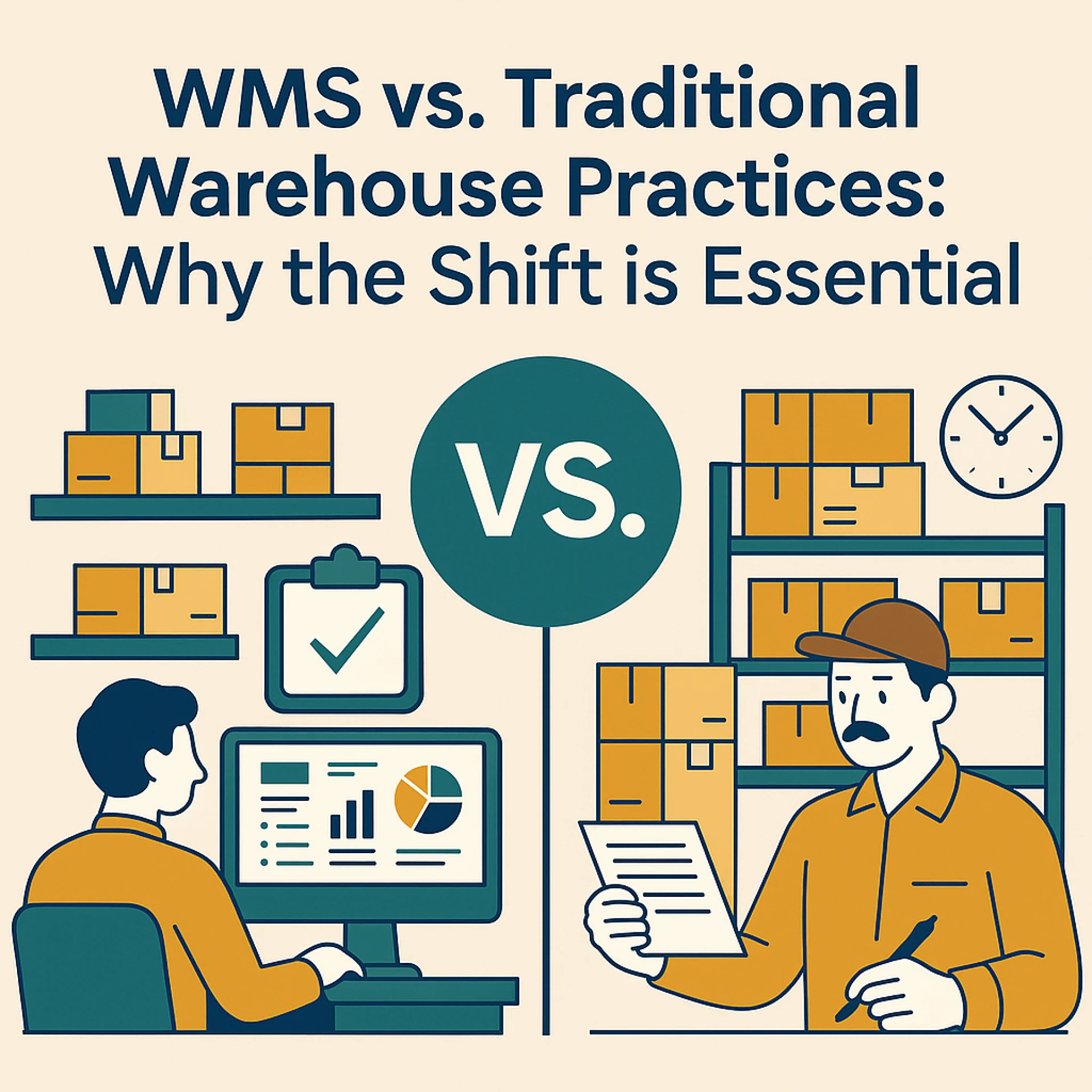
Space alone does not define an efficient warehouse. The real strength of a modern storage facility lies in effective warehouse management systems that control inventory movement, tracking, and storage allocation.
As businesses expand their distribution networks across South India, managing stock visibility and operational accuracy becomes increasingly important.
Modern warehouse management practices contribute to:
- Accurate inventory tracking across multiple product categories
- Optimised storage layouts that maximise space utilisation
- Reduced operational errors through digital tracking systems
- Better planning of stock movement and replenishment cycles
By integrating efficient warehouse management practices, businesses can maintain operational discipline even as storage capacity grows.
Choosing the Right Warehousing Partner
For many companies, building and managing large-scale storage facilities independently is neither practical nor cost-effective. Instead, businesses increasingly rely on specialised service providers that understand the operational complexities of large warehousing environments.
Working with an experienced warehousing company allows businesses to focus on their core operations while benefiting from professionally managed storage infrastructure.
A capable warehousing partner typically offers:
- Purpose-built storage facilities designed for organised inventory handling
- Scalable space that can grow alongside business requirements
- Trained operational teams familiar with structured warehouse management systems
- Standardised processes that improve overall logistics efficiency
Such partnerships enable businesses to operate with greater confidence, knowing that their warehousing infrastructure can adapt to future growth.
The Long-Term Value of Scalable Warehousing
As markets across South India continue to expand, businesses must ensure that their logistics backbone remains resilient and adaptable. Warehousing is no longer just a storage function; it is a strategic component of supply chain management that directly influences operational efficiency and market responsiveness. Scalable warehousing in Bangalore allows companies to manage inventory efficiently while supporting regional expansion across southern states. By combining flexible infrastructure with disciplined warehouse management practices, businesses can maintain consistency even as demand patterns evolve.
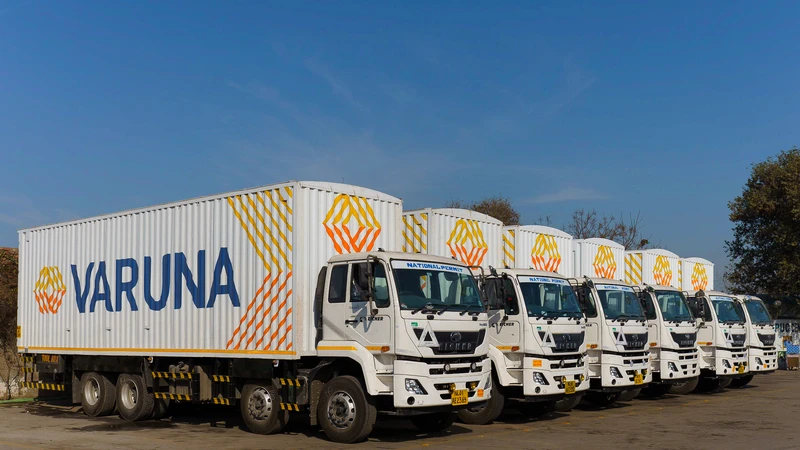
Ultimately, the strength of a logistics network depends heavily on the reliability of its storage systems. Organisations that invest in scalable warehousing today are better positioned to handle tomorrow’s growth. In this context, experienced logistics providers play an important role in enabling structured and efficient storage operations. Companies such as Varuna Group have contributed significantly to organised logistics infrastructure in India, offering warehousing solutions that help businesses manage growth with greater operational stability.



























Sign in to leave a comment.