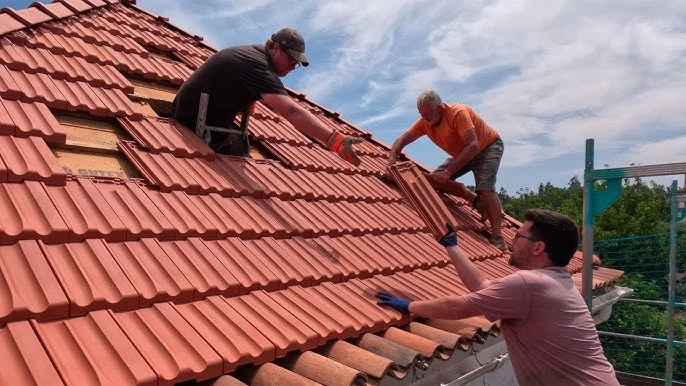

The Storm Has Passed — But the Damage May Have Just Begun
Every Scottsdale homeowner knows the feeling — the thunder fades, the rain stops, and the blazing sun returns as if nothing happened. But what many don’t realize is that monsoon storms often leave silent destruction behind.
Beneath your roof tiles, foam coating, or metal panels, there could be hidden cracks, loosened flashing, or trapped moisture slowly eating away at your home. That’s why more and more homeowners in Scottsdale are making post-monsoon roof inspections a standard part of their home maintenance routine.
“We used to wait until we saw leaks,” says Liam and Sarah Peters from McCormick Ranch. “After last year’s storm caused $4,000 in hidden damage, we signed up for annual post-monsoon inspections with Tip Top Roofing. Now we sleep better every summer.”
The Monsoon’s Hidden Impact on Arizona Roofs
Scottsdale’s monsoon season, from June to September, can bring heavy rain, 60+ mph winds, dust storms, and hail — all of which stress your roof in different ways.
Here’s what those storms do that you might not notice from the ground:
- Wind uplift loosens tiles or metal panels without visibly shifting them.
- Flying debris creates microcracks in foam or coatings that later allow leaks.
- Pooled water weakens underlayment and seeps into insulation.
- Dust storms clog drains and gutters, leading to standing water.
- UV rays after the rain dry and crack weakened sealants.
Even if your roof looks fine after the storm, internal damage may already be underway.
“One small puncture can let in enough water to rot a wood deck within weeks,” says Ryan Mitchell, Project Manager at Tip Top Roofing Service. “Post-storm inspections catch that early.”
Why Smart Homeowners Inspect After Every Monsoon
For decades, homeowners treated roof inspections as something to do after a leak — but Arizona’s climate has changed that thinking. Now, proactive post-storm inspections have become the new normal for long-term homeowners who understand prevention is cheaper than repair.
1. Early Leak Detection Saves Thousands
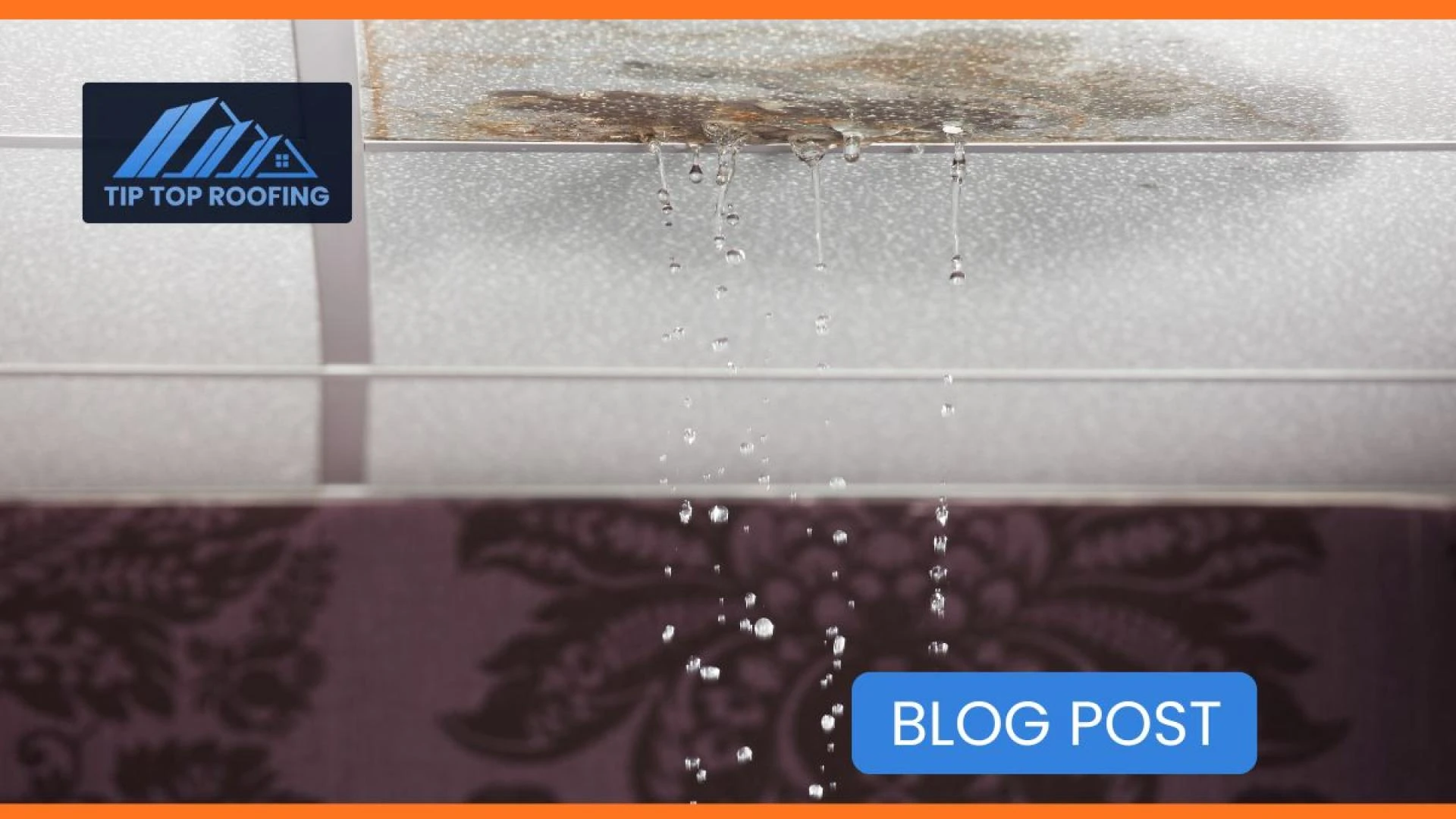
Monsoon leaks rarely appear right away. Water gets trapped under roofing layers, showing up months later as stains, mold, or ceiling damage. A post-monsoon inspection uncovers hidden intrusion early — before it spreads.
“We didn’t see a leak until December,” says Nancy Hall from Gainey Ranch. “Turns out, it started during August monsoon storms. Tip Top Roofing found the damage during their inspection — before it ruined our ceiling.”
2. Protects Insurance Coverage
Insurance companies often deny storm damage claims if they determine the issue came from neglect or lack of maintenance. Having documentation from a certified roofer after each monsoon proves you acted responsibly — protecting your eligibility for coverage.
3. Extends Roof Lifespan
Storms accelerate aging. A roof that could last 25 years may only make it 15 without maintenance. Post-monsoon inspections identify areas of wear — helping homeowners reinforce coatings, reseal flashings, and resecure tiles that keep roofs strong for decades.
4. Prevents Costly Interior Damage
When roof leaks go unnoticed, water infiltrates insulation, drywall, and ceilings — leading to rot and mold. Repairing interior damage can easily cost five to ten times more than fixing the roof itself.
“We caught a loose flashing near the skylight right after the storm,” recalls Maria Gonzalez of Paradise Valley. “Tip Top fixed it for under $300. If we’d ignored it, that water would’ve ruined our new ceiling.”
What Happens During a Post-Monsoon Roof Inspection
Tip Top Roofing Service, Scottsdale’s most trusted roofing team, has perfected a post-monsoon inspection process tailored for Arizona’s desert conditions.
Here’s what homeowners can expect:
Step 1: Full Surface Evaluation
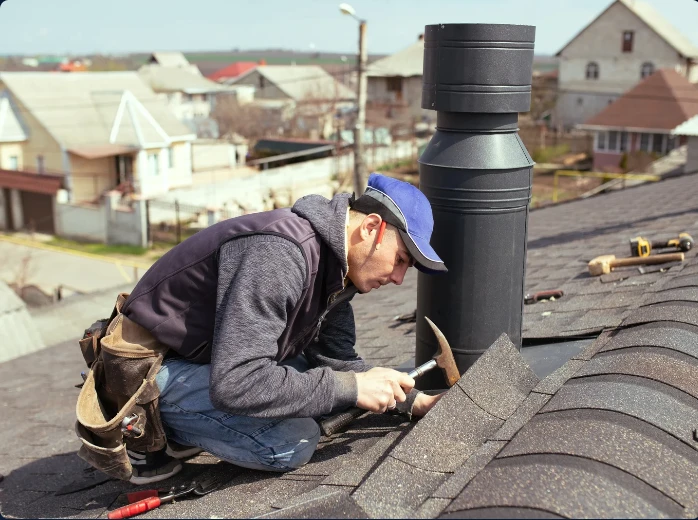
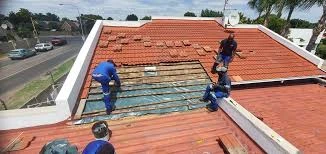
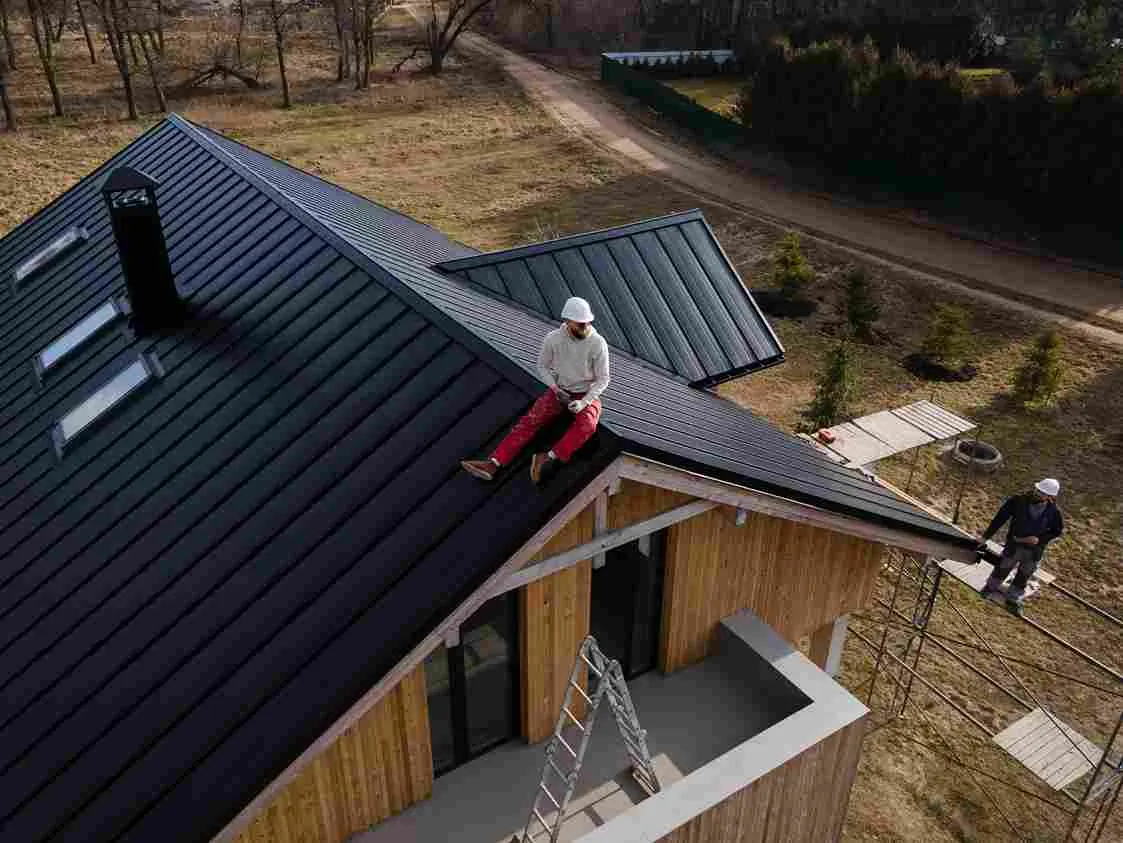
Roofers walk the entire surface to check for cracks, displaced tiles, punctures, or worn coatings.
Step 2: Flashing and Sealant Review
All sealant joints around chimneys, vents, and skylights are tested and re-sealed if needed — these are the first places water sneaks in.
Step 3: Drainage and Gutter Cleaning
Monsoon debris often clogs scuppers, drains, and downspouts. Cleaning ensures the next storm flows off safely.
Step 4: Underlayment and Decking Check
Technicians check beneath tiles and around foam seams for moisture, warping, or trapped heat damage.
Step 5: Detailed Report and Repair Estimate
Homeowners receive a full report with before-and-after photos and expert recommendations — ensuring total transparency.
“They showed us photos of every crack they found,” says Kevin Rogers from Desert Mountain. “We never realized how much the roof takes during monsoon season.”
How Neglecting Post-Monsoon Maintenance Leads to Bigger Costs
A simple inspection costs a few hundred dollars. Skipping it can lead to hidden leaks that eventually require:
- New underlayment: $3,000–$6,000
- Foam recoating: $2,000–$4,000
- Interior drywall and insulation replacement: $2,500–$8,000
- Mold remediation: $3,000+
In total, homeowners who skip inspections risk spending up to $15,000 in preventable repairs.
“Our neighbor ignored their leak,” recalls Jill Morrison from McCormick Ranch. “After the storms, they had to replace part of their roof and interior walls. We spent $350 on an inspection and avoided all that.”
When to Schedule a Post-Monsoon Inspection
The best time for inspection is right after the last major storm, usually between September and October.
This ensures:
- The roof has fully dried, revealing any damage.
- You can complete repairs before winter rain.
- You stay ahead of next year’s maintenance cycle.
For foam and flat roofs, scheduling even earlier — mid-August — helps identify blistering or coating failure while it’s still hot enough to cure new sealants effectively.
Why Scottsdale Homeowners Trust Tip Top Roofing
✔ Local Expertise: Decades of experience repairing roofs across Arizona’s toughest climates.
✔ All Roof Types Covered: Tile, foam, metal, and flat roofs.
✔ Comprehensive Reports: Photo documentation and repair recommendations.
✔ Preventive Approach: Fix small issues before they turn major.
✔ Customer-First Service: Honest pricing and guaranteed workmanship.
“We’ve worked with Tip Top Roofing for years,” says Robert Smith from North Scottsdale. “They’re our go-to after every monsoon — fast, friendly, and thorough.”
Final Thoughts: The Monsoon May Be Over — But Your Roof’s Story Isn’t
Arizona’s monsoon season is powerful, unpredictable, and unforgiving — but it doesn’t have to catch you off guard.
A simple post-monsoon roof inspection can prevent thousands in repairs, extend your roof’s life, and give you confidence knowing your home is safe before the next storm rolls in.
Don’t wait until the next downpour reminds you — schedule your inspection now and keep your Scottsdale home strong, dry, and worry-free year-round.






















Sign in to leave a comment.