

For years, traditional PR teams have owned brand reputation. They handled press relations, crisis statements, media outreach, public perception and official communication. But the world has changed, and so has the way people form opinions about brands.
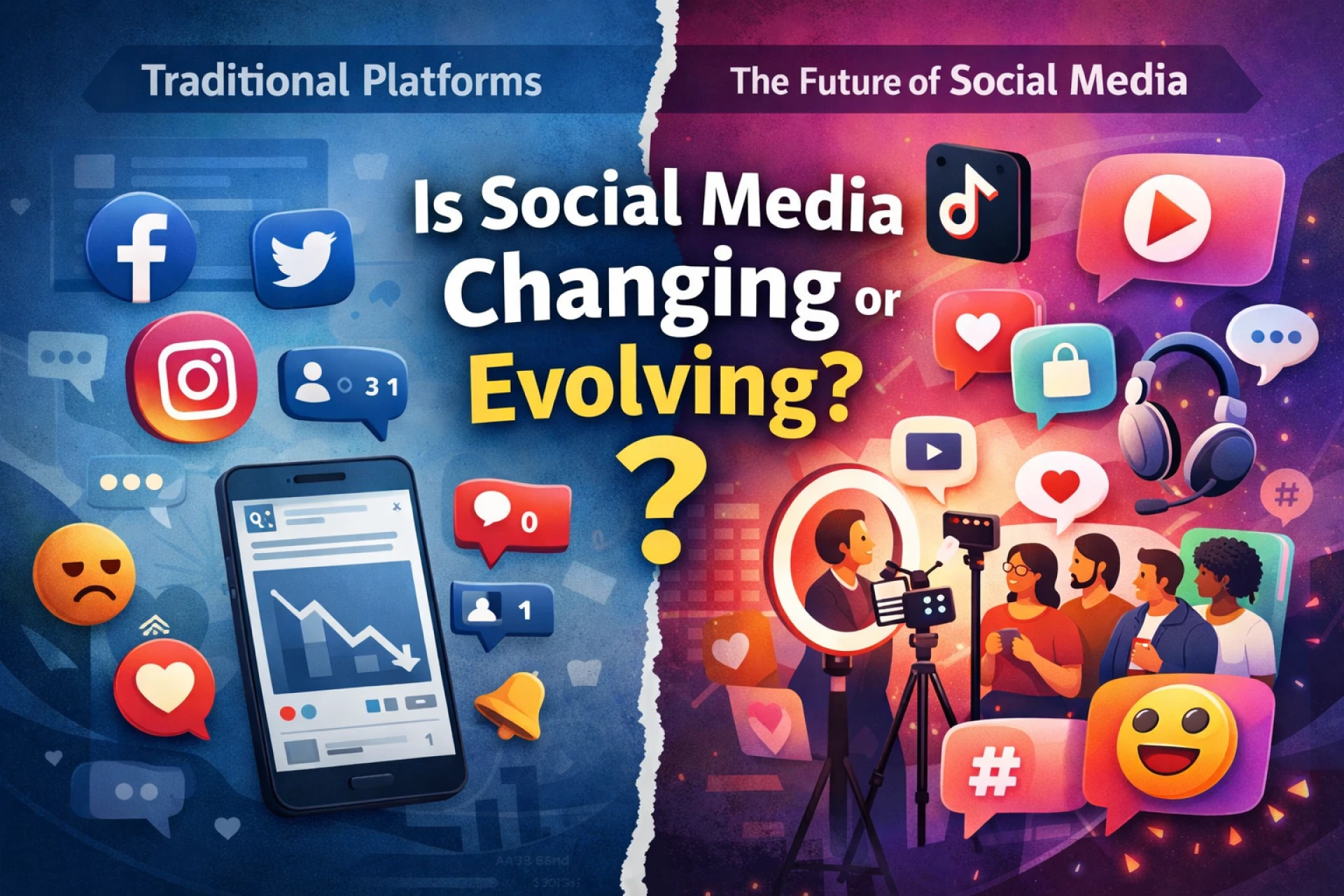
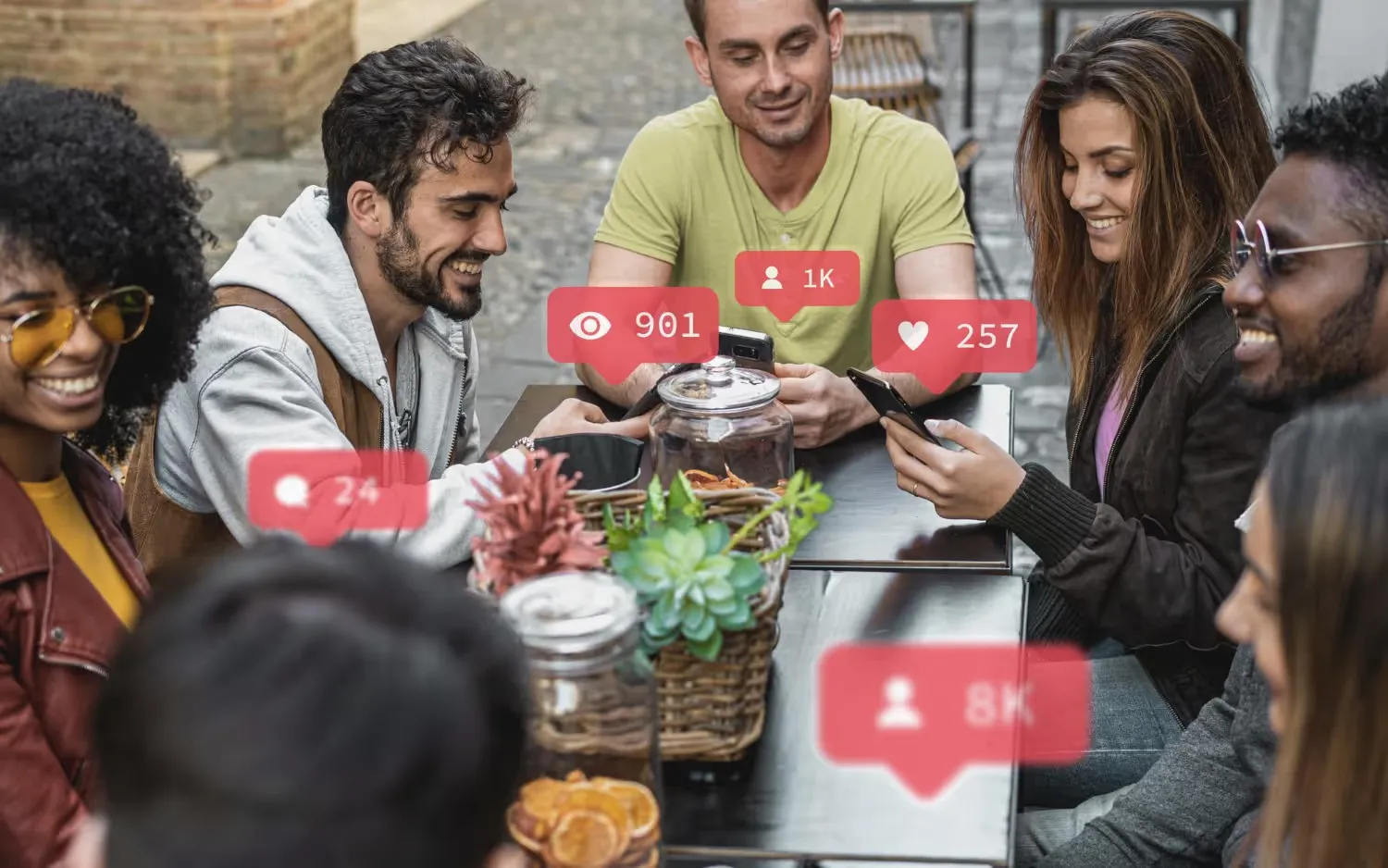
Today, brand reputation isn’t built in newspapers, press conferences or corporate statements. It is built in real time, on social platforms, through conversations, reactions, content, and community behaviour.
And that is exactly why social media managers are becoming the new guardians of brand reputation, often even more influential than PR teams.
Today’s brand identity lives where conversations happen every second. Brands that understand this shift will stay trusted, relevant and human, while those that rely only on traditional PR may slowly lose their voice in a digital-first world.
Hiring the right team is key, which is why many forward-thinking companies choose to hire social media manager to guide these efforts.
Reputation Today Is Built Where People Spend Their Time
Most customers don’t first encounter a brand through TV, newspapers or formal announcements anymore. They discovered it on:
- Instagram feeds
- TikTok videos
- LinkedIn thought leadership posts
- X (Twitter) conversations
- YouTube recommendations
- Online communities
This means the first impression, perception, emotion, and trust is shaped by what happens on social media and not by official PR releases. While PR is still important, it cannot match the speed, authenticity and daily interaction that social media delivers.
When brand discovery happens digitally, reputation is influenced by what people see, share and feel online. Every scroll, swipe and comment shapes how a brand is perceived, making social media the real battleground for credibility today.
Social Media Managers Control the Everyday Narrative
PR teams mostly appear when:
- There’s a launch
- There’s a corporate announcement
- There’s a crisis
But reputation isn’t just built during big moments. It’s built in the small everyday interactions — the posts, replies, tone, engagement style, humour, empathy, and consistency. Social media managers:
- Decide how a brand sounds
- Decide how a brand reacts
- Decide how a brand behaves publicly
- Influence what audiences think daily
They humanise brands. And today, people trust human brands far more than corporate ones. This daily storytelling creates emotional familiarity, and familiarity builds trust. Over time, audiences start recognising the brand personality, not just the logo, which creates a stronger, more meaningful connection.
Social Media Is Faster Than PR
Reputation now moves in seconds.
A trending hashtag can damage or elevate a brand in minutes. A user complaint can go viral in under an hour. A misunderstood post can spark controversy instantly.
PR teams traditionally work with structured approval processes, legal reviews and lengthy responses. Meanwhile, social media managers operate in real-time environments, where waiting too long is often seen as ignorance or avoidance.
They:
- Respond instantly
- Calm situations early
- Clarify misunderstandings
- Stop negative sentiment before it explodes
In many situations, a smart, human, timely reply from a social media manager is more powerful than a formal PR statement issued hours later.
Speed is reputation currency in the digital age, and brands that respond fast demonstrate responsibility and care. This immediacy helps control narratives before they spiral and reassures audiences that the brand is truly listening.
Audiences Trust Conversations
Modern audiences are sceptical of polished PR language. It often feels scripted, defensive and overly corporate. Social media communication feels:
- Human
- Relatable
- Transparent
- Honest
When people see brands:
- Apologising genuinely
- Explaining openly
- Engaging respectfully
- Accepting mistakes
They build emotional trust. And trust is the strongest foundation of reputation.
Social media managers are trained not just to post, but to listen. They monitor sentiment, understand emotions, observe patterns and recognise audience expectations, something PR departments historically struggle to do at the same depth or speed.
Empathy-driven communication reassures audiences that there are real humans behind the brand. This creates loyalty, reduces negativity and builds long-term goodwill that no formal press statement alone can achieve.
Social Media Managers Understand Culture Better
Reputation today is deeply tied to culture and relevance. Brands that stay culturally aware, socially responsible, trendy, and aligned with audience values earn loyalty.
Social media managers live inside cultural conversations every day. They understand:
- Internet behaviour
- Trends and memes
- Tone sensitivity
- Inclusivity expectations
- Generational language differences
- What can spark backlash
They don’t just manage content. They manage cultural positioning. That has huge reputational power.
Cultural awareness ensures brands stay respectful, relatable and aligned with public expectations. This ability to read the digital room allows social media managers to protect brands from tone-deaf messaging and reputation damage.
Community Building Is the New Reputation
Reputation is no longer only about “what people think of you”. It is now equally about:
- How strong your community is
- How engaged your audience feels
- How supported customers are
- How your brand makes people feel
A loyal, active, emotionally connected community can defend a brand, support it in crises, and spread positive perception more effectively than any PR campaign. And who builds these communities?
Social media managers. Communities create belonging and advocacy, and advocacy turns customers into brand supporters. When people feel valued and heard, they willingly protect and promote the brand, strengthening its reputation naturally.
In Crisis – Social Media Is the Frontline
During a crisis, PR teams prepare official responses. But before that statement even reaches the public, the internet is already talking. By then:
- Screenshots are shared
- Opinions formed
- Narratives created
The first line of defence is always the social media manager. They handle angry comments, clarify confusion, reduce panic, and ensure the brand remains composed.
In many recent global brand crises, the first meaningful calming effect didn’t come from press releases. It came from how brands handled themselves online.
A well-handled social response can prevent outrage from escalating and demonstrate accountability instantly. This frontline role makes social media managers critical crisis leaders rather than just communication executors.
Social Media Managers Are Becoming Reputation Strategists
The role is no longer just posting creatives or writing captions. Many brands are already redefining social media managers as:
- Communication strategists
- Brand perception architects
- Trust builders
- Crisis handlers
- Digital PR leaders
They analyse sentiment, present insights to leadership, influence brand positioning, and guide communication tone across departments. In many organisations, PR is now aligning with social, not the other way around.
This evolution proves that social media is not just a marketing function. It is a reputation powerhouse. Social teams are now shaping brand identity at the leadership level, influencing major decisions and shaping long-term perception.
Conclusion
PR will always matter. It still plays an important role in formal communication, media relations and corporate messaging. But in today’s world, reputation lives online in conversations, posts, comments, reactions and digital relationships.
And the people who control that world are social media managers. They are not just content creators. They are the voice, the emotion, the trust holders, the real-time reputation protectors.
That is why, in the years ahead, social media managers will shape brand reputation more than PR teams ever have.
As digital communication continues to dominate, brands that empower skilled social media managers will lead with trust, authenticity and resilience. This shift marks a new era where social presence defines brand strength more than ever before.


























Sign in to leave a comment.