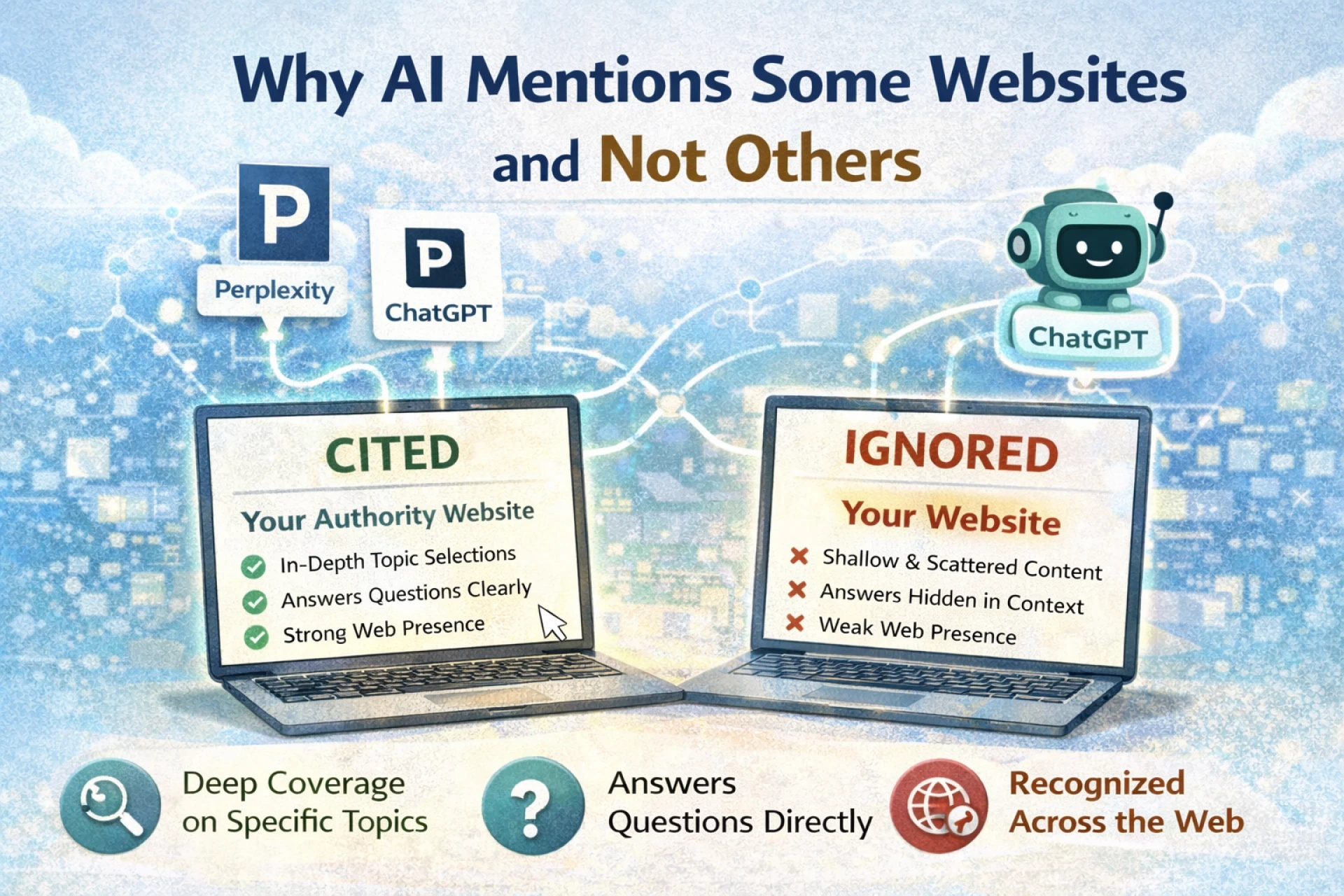

If you've ever typed a question into ChatGPT or Perplexity AI and noticed that the same handful of websites keep showing up as cited sources while yours never appears — you've probably wondered what those websites are doing differently.
It's a fair question and the answer is more straightforward than most people expect.
AI tools don't pick sources randomly. There's a clear logic behind which websites get cited and which ones get ignored completely. Understanding that logic is the first step toward doing something about it.
Let me break it down simply.
They Cover Their Topics Seriously and Deeply
The number one reason certain websites get cited by AI tools consistently is that they have built genuine depth of knowledge on specific subjects.
Think about it from the AI system's perspective. It's trying to find the most reliable source to base its answer on. A website that has published fifteen well researched articles covering different angles of the same topic looks like a genuine authority. A website with one average article on that topic surrounded by completely unrelated content looks like it just happened to mention the subject once.
Websites that get cited pick specific subjects and cover them properly. They answer the beginner questions. They address the intermediate challenges. They go into the details that require real expertise to understand. They build a body of content that demonstrates consistent knowledge over time.
What to do: Pick two or three topics your business genuinely knows well and commit to covering them seriously. Publish multiple pieces that go deeper on different aspects of those topics. Build interconnected content that shows real depth rather than scattered posts on random subjects.

Their Content Answers Questions Directly
AI tools are question answering machines. Their entire job is taking a question someone asked and finding the clearest most reliable answer available.
Websites that get cited are the ones that answer questions clearly and get straight to the point. They don't spend three paragraphs warming up before getting to the actual answer. They don't bury the key information in the middle of a long section. They lead with the answer and add supporting detail after.
Websites that don't get cited often have good information hiding inside well written content — but the AI system can't extract it cleanly because it's wrapped in too much context and buildup.
What to do: After every heading in your content write the answer to that heading's question in the very first sentence. Make that first sentence a complete standalone answer that makes sense on its own without any surrounding context. Add the detail after but lead with the answer every single time.
They Have Strong FAQ Sections
This one surprises a lot of people but FAQ sections are genuinely one of the most powerful tools for getting cited by AI tools.
Here's the simple reason. A question followed immediately by a clear self contained answer is almost perfectly structured for what AI systems are trying to do. The question is right there. The answer is right there. The system can pull it cleanly without having to guess which part of the content is relevant to a specific query.
Websites with strong FAQ sections targeting real questions their audience asks give AI tools multiple clean extraction opportunities from a single page. Every question and answer pair is its own separate citation chance.
What to do: Add a proper FAQ section to your most important pages. Use real questions from real people — check forums, Reddit, Google's People Also Ask section, and questions your customers actually ask you. Aim for ten to fifteen well answered questions per page minimum.
They Write in Plain Clear Language
Dense complicated writing full of long sentences and technical jargon is hard for AI systems to process accurately. When a paragraph is difficult to parse the system either skips it or moves to a source it can work with more cleanly.
Websites that get cited consistently tend to write in plain accessible language. Short sentences. One idea per paragraph. Words that a smart person with no background in the topic could follow without needing a dictionary.
This doesn't mean shallow content. The best content demonstrates genuine expertise while remaining completely accessible. That combination deep knowledge communicated simply is exactly what AI tools look for and what human readers appreciate at the same time.
What to do: Read your content out loud after writing it. If a sentence sounds complicated or awkward when spoken, rewrite it. If a paragraph is trying to make three different points, split it into three paragraphs. Simple clear writing is a skill that improves with practice.
They Are Recognized Across the Internet
AI tools don't just look at your website in isolation. They evaluate your overall presence and reputation across the wider internet as part of deciding how trustworthy your content is.
Websites that get cited have usually built real external credibility. Other respected websites link to them. They get mentioned in industry publications. They appear in recognized directories. Their content gets referenced by other credible sources. These external signals tell AI systems that the brand is recognized and worth trusting beyond what it claims about itself on its own pages.
Websites that don't get cited often have strong content on their own site but almost no external presence. They exist in a bubble with no outside recognition and AI systems treat that lack of external credibility as a trust signal in itself.
What to do: Actively build your presence beyond your own website. Write guest posts for respected publications in your niche. Get listed in legitimate directories. Build genuine relationships in your industry that lead to natural mentions and quality backlinks over time. Every external mention adds to your authority profile.
Their Information Is Accurate and Up to Date
AI systems cross reference information across multiple sources. Content that contains errors, relies on outdated statistics, or contradicts what other credible sources say gets filtered out regardless of how well written it is.
Websites that get cited maintain their content carefully. They update statistics when they change. They revisit important posts regularly and refresh anything that has become outdated. They back up factual claims with references to credible sources. Their information can be verified and it holds up under scrutiny.
Websites that don't get cited often have content that was accurate when published but has been left to go stale. An article from two years ago with statistics that no longer apply is a liability not an asset when AI systems are evaluating whether to trust your content.
What to do: Build a regular review habit. Every few months go through your most important pages and check whether the information still holds up. Update anything that has changed. Add references to credible sources for key factual claims. Treat your best content as a living document rather than a finished piece.
They Show Who Is Behind the Content
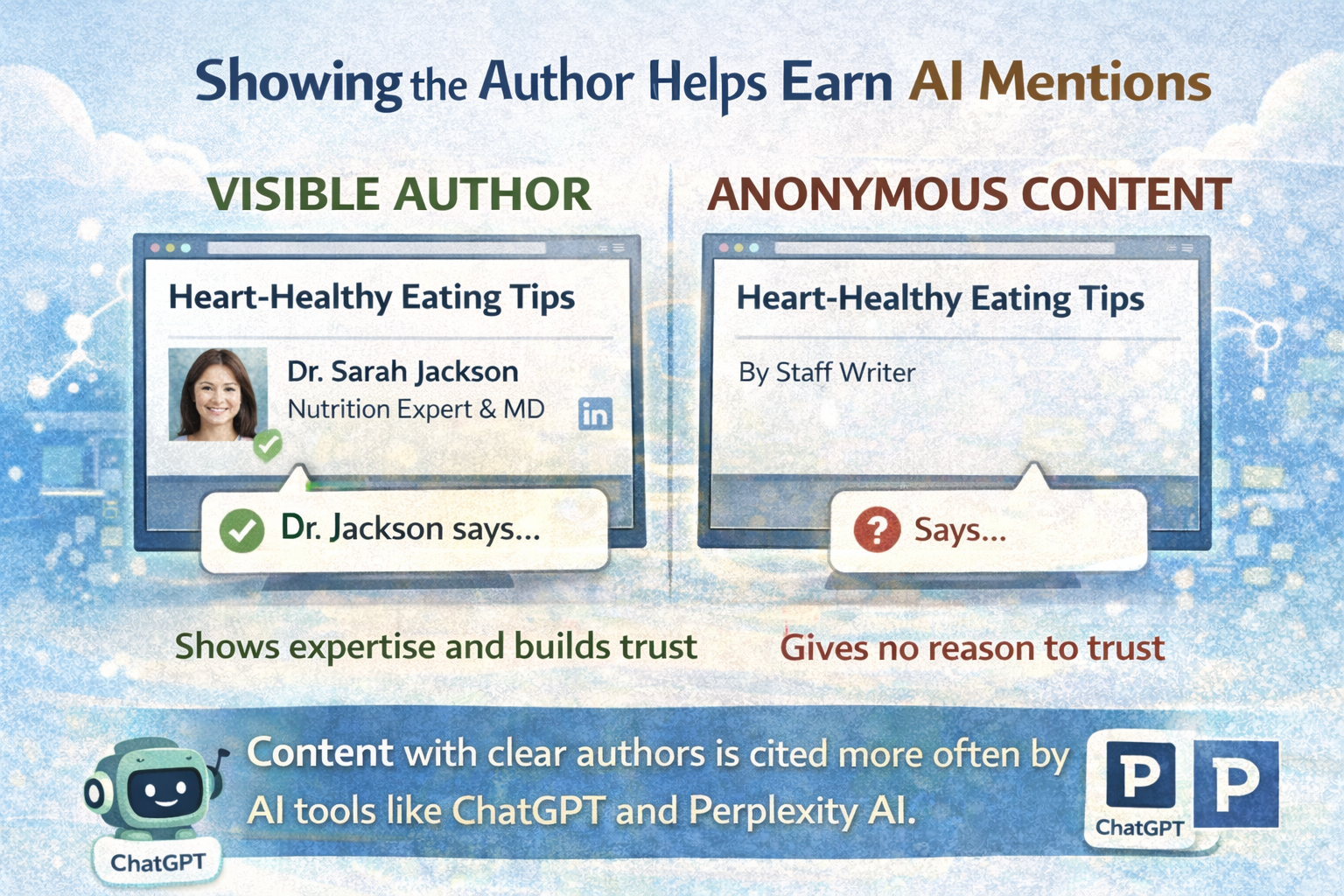
Anonymous content with no clear author has become a trust problem in the AI search world. AI systems evaluate author credibility as part of their overall assessment of whether content is worth citing.
Websites that get cited tend to have real named authors with visible professional backgrounds, relevant expertise, and clear reasons why they are qualified to write about their subject areas. That transparency signals genuine expertise in a way that anonymous content simply cannot.
Websites that don't get cited often publish content with no author information at all or with vague bylines that tell you nothing about who wrote the content or why their perspective should be trusted.
What to do: Create proper author profiles on your website. Include real names, professional backgrounds, and relevant experience. Link to professional profiles like LinkedIn where appropriate. Make it clear who created each piece of content and what qualifies them to speak on the subject.
They Have Clean Technical Foundations
Even excellent content won't get cited if AI systems can't properly access and read your pages. Technical problems create invisible barriers that prevent good content from being discovered no matter how well it's written.
Websites that get cited load quickly, work properly on mobile devices, have content that's fully indexed, and use structured data markup to help AI systems understand what type of content each page contains. Their technical foundation makes it easy for systems to get in, read everything clearly, and extract information reliably.
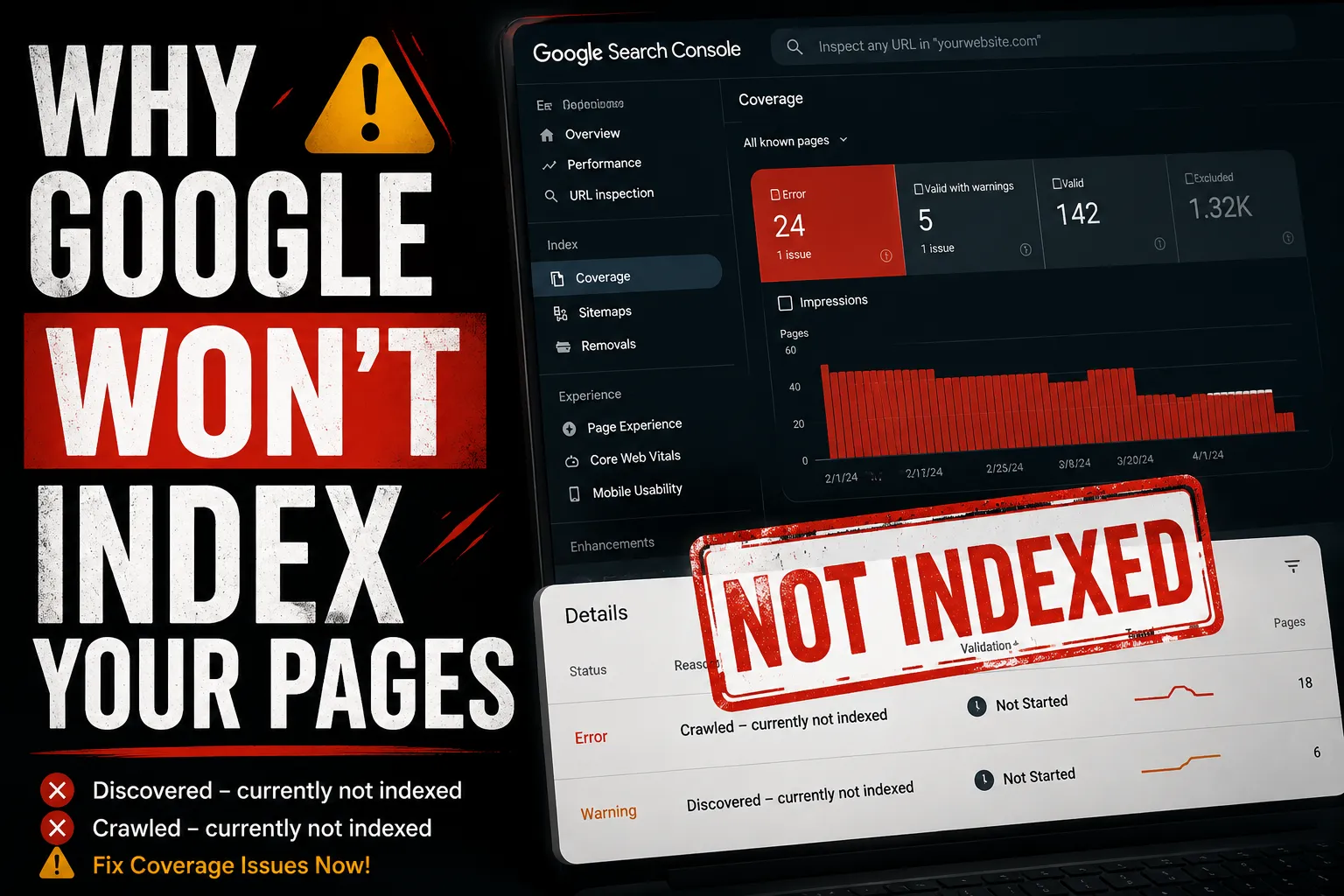
Websites that don't get cited sometimes have unresolved technical issues quietly blocking their content from being properly accessed. Slow load times, indexing problems, missing structured data, and crawl errors all create friction that works against AI citation even when the content quality is strong.
What to do: Run a basic technical audit on your website. Check your page speed using Google PageSpeed Insights. Make sure your most important pages are properly indexed in Google Search Console. Add FAQ schema and Article schema to your key pages. Fix broken links and crawl errors. These basics create the technical foundation that lets your content actually reach the systems evaluating it.
The Simple Summary
Websites that get cited by AI tools aren't doing anything mysterious or complicated. They've simply built the kind of content and online presence that AI systems can trust, extract from, and cite confidently.
They cover their topics with genuine depth. They answer questions directly. They write clearly. They maintain accuracy. They build real external credibility. They show who is behind their content. They keep their technical foundations clean.
Every single one of those things is within your control. Start with the ones that feel most actionable for your current situation and build from there.
The gap between websites that get cited and websites that don't is mostly just a gap in consistent deliberate effort applied in the right direction. Close that gap and the citations will follow.





























Sign in to leave a comment.