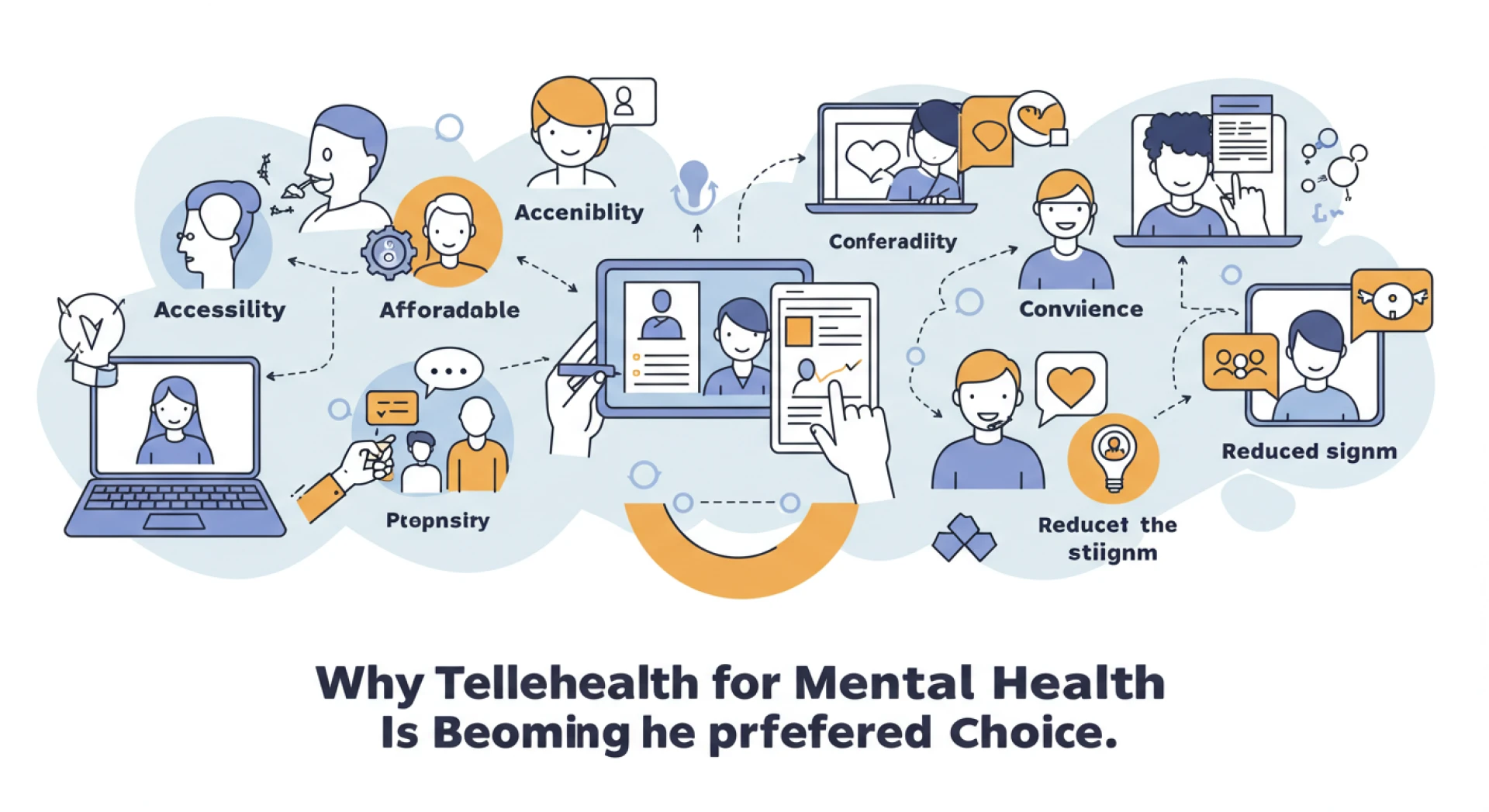

The landscape of mental healthcare has witnessed a remarkable transformation as more individuals discover the advantages of virtual treatment options. The shift toward telehealth for mental health represents more than just technological advancement—it reflects a fundamental change in how people prefer to access and receive professional psychological support.
This preference isn't merely driven by convenience or novelty. Instead, it's rooted in tangible benefits that address longstanding frustrations with traditional mental healthcare delivery, while maintaining the clinical effectiveness essential for meaningful therapeutic outcomes.
Unmatched Convenience and Flexibility
The primary driver behind the growing preference for telehealth for mental health services lies in the unparalleled convenience it offers. Traditional therapy appointments often require significant time investments beyond the actual session duration, including travel time, parking, and waiting room delays. Virtual appointments eliminate these time-consuming elements, allowing patients to maximize their therapeutic investment while minimizing disruption to their daily routines.
Schedule flexibility represents another crucial advantage. Many mental health providers offering virtual services can accommodate appointments outside traditional business hours, including early morning, evening, or weekend slots. This flexibility proves particularly valuable for working professionals, parents with school-aged children, and individuals with non-traditional work schedules who previously struggled to access consistent mental healthcare.
The ability to attend therapy sessions from any private location adds another dimension of convenience. Patients can participate in sessions from their homes, private offices, or even while traveling, ensuring continuity of care regardless of life circumstances. This location independence proves especially valuable during business trips, family relocations, or temporary living situations that might otherwise interrupt therapeutic progress.
Enhanced Privacy and Reduced Stigma
Privacy concerns have historically prevented many individuals from seeking mental health support, with some people worrying about being seen entering or leaving mental health facilities. Virtual sessions eliminate these visibility concerns, allowing patients to access professional support without any external indicators of their mental healthcare participation.
The comfort of one's own environment often facilitates more open and honest communication during therapeutic sessions. Patients frequently report feeling more relaxed and authentic when participating in therapy from their personal spaces, leading to more productive therapeutic relationships and improved treatment outcomes.
For individuals in small communities where anonymity can be challenging to maintain, virtual therapy provides an additional layer of privacy protection. Patients can access care from providers in different geographical areas, further reducing concerns about confidentiality and social stigma.
Superior Access to Specialized Care
Geographic limitations have traditionally restricted access to specialized mental health care, particularly for individuals living in rural areas or smaller cities. Telehealth for mental health eliminates these geographical barriers, connecting patients with specialists regardless of their physical location.
This expanded access proves particularly valuable for individuals requiring specialized treatment for specific conditions such as eating disorders, trauma-related conditions, or rare psychological disorders. Rather than being limited to local providers who may lack specialized training, patients can access nationally recognized experts in their specific areas of need.
The ability to maintain therapeutic relationships despite geographical changes represents another significant advantage. Patients who relocate for work, education, or personal reasons can continue working with their established therapists rather than starting over with new providers, ensuring continuity of care and maintaining therapeutic progress.
Cost-Effectiveness and Value
Financial considerations significantly influence healthcare decisions for many individuals, and telehealth for mental health often provides superior value compared to traditional in-person options. Virtual sessions frequently cost less than in-person appointments, reflecting reduced overhead costs for providers and elimination of facility-related expenses.
Transportation costs, parking fees, and lost wages from extended time away from work are eliminated with virtual appointments. For individuals requiring regular therapy sessions, these savings accumulate substantially over time, making consistent mental healthcare more financially sustainable.
Many insurance plans now provide equal coverage for virtual mental health services, and some offer additional incentives for choosing telehealth options. This insurance support, combined with the inherent cost savings of virtual delivery, makes professional mental healthcare more accessible to individuals with limited financial resources.
Consistent Care Continuity
Life circumstances often interrupt traditional therapy schedules, leading to gaps in care that can undermine therapeutic progress. Virtual appointments provide greater flexibility for maintaining consistent therapeutic relationships despite changing life situations.
Patients experiencing temporary mobility limitations, whether due to illness, injury, or other health conditions, can continue their therapy sessions without interruption. Parents dealing with childcare challenges, caregivers supporting elderly family members, and individuals with demanding work schedules can maintain their therapeutic commitments more easily through virtual options.
Seasonal factors such as severe weather, transportation strikes, or other external disruptions have minimal impact on virtual appointment availability, ensuring more reliable access to mental health support throughout the year.
Technology-Enhanced Therapeutic Tools
Modern telehealth platforms incorporate advanced features that can enhance the therapeutic experience beyond what's possible in traditional office settings. Screen sharing capabilities allow therapists to present educational materials, worksheets, or visual aids more effectively during sessions.
Digital homework assignments, mood tracking applications, and between-session communication tools provide additional support for therapeutic progress. These technology-enhanced features create a more comprehensive therapeutic environment that extends support beyond scheduled appointment times.
Real-time collaboration on therapeutic exercises, goal-setting activities, and progress monitoring becomes more efficient through shared digital platforms. Patients can save and access therapeutic materials more easily, reinforcing therapeutic concepts between sessions.
Improved Treatment Engagement
Research indicates that patients often demonstrate higher engagement levels with telehealth mental health services compared to traditional in-person therapy. The reduced barriers to attendance lead to fewer missed appointments and more consistent participation in therapeutic activities.
The familiar environment of home-based sessions can reduce anxiety and defensiveness that some patients experience in clinical settings. This comfort often leads to more authentic self-expression and deeper therapeutic work, accelerating progress toward treatment goals.
The integration of digital therapeutic tools and resources provides patients with ongoing support between sessions, maintaining therapeutic momentum and reinforcing treatment concepts in daily life.
Future-Focused Healthcare Delivery
Choosing telehealth for mental health represents alignment with the broader evolution of healthcare delivery toward more patient-centered, technology-enhanced models. Early adopters benefit from providers who are investing in advanced platforms, continuing education in virtual care techniques, and innovative therapeutic approaches.
The growing preference for virtual mental healthcare is driving continuous improvements in platform capabilities, therapeutic techniques specifically designed for virtual delivery, and integration with other digital health tools. Patients choosing virtual care gain access to these ongoing innovations and improvements.
As healthcare systems increasingly recognize the value and effectiveness of virtual mental health delivery, additional resources and support systems are being developed to enhance the virtual care experience further.
Making the Right Choice for Individual Needs
The preference for telehealth for mental health reflects its ability to address individual needs and preferences more effectively than traditional delivery models. The combination of convenience, privacy, access, and effectiveness creates a compelling value proposition that resonates with diverse patient populations.
While virtual care may not be appropriate for every situation or every patient, its growing popularity reflects its success in meeting the real-world needs of individuals seeking professional mental health support. The flexibility to choose between virtual and in-person options empowers patients to select the delivery method that best supports their therapeutic goals and life circumstances.
The preference for virtual mental healthcare represents more than a trend—it signifies a fundamental shift toward more accessible, flexible, and patient-centered mental health delivery that's likely to continue shaping the future of psychological care.





























Sign in to leave a comment.