

Why Winter Pruning Feels “Different”
When temperatures drop and branches go bare, most people assume trees should be left alone. Yet this quiet season is actually when your trees are most ready for smart, strategic pruning that shapes how they grow for years. Winter work may not look dramatic from the street, but underground and inside the wood, your landscape is quietly getting an upgrade.
Pruning in winter is not just “fine” for trees; it is often the moment when each precise cut has the greatest long-term impact on safety, structure, and spring growth. That is why many professional crews treat the cold months as their main season for structural corrections and risk reduction.
Dormant Trees, Faster Healing
In winter, most shade and ornamental trees enter dormancy, a natural rest period when growth slows and energy is stored in the roots and trunk. Making cuts during this phase puts less stress on the tree, reduces sap loss, and helps wounds seal more efficiently once temperatures rise.
Because insects and many disease organisms are less active in cold weather, fresh pruning cuts are exposed to fewer threats. That means a lower chance of infections entering through an open wound and a better head start on healthy spring growth.
A Clearer View of Hidden Problems
Once leaves drop, a tree’s “skeleton” finally comes into full view. Without a screen of foliage, it becomes much easier to spot crossing branches, tight V-shaped forks, rubbing limbs, and early signs of decay or dieback.
This clear view lets a trained eye correct subtle structural flaws before they turn into cracked limbs or storm failures. Instead of guessing where weight is concentrated, winter pruning works like a careful blueprint review of your trees’ architecture.
Stronger Trees for Next Season’s Storms
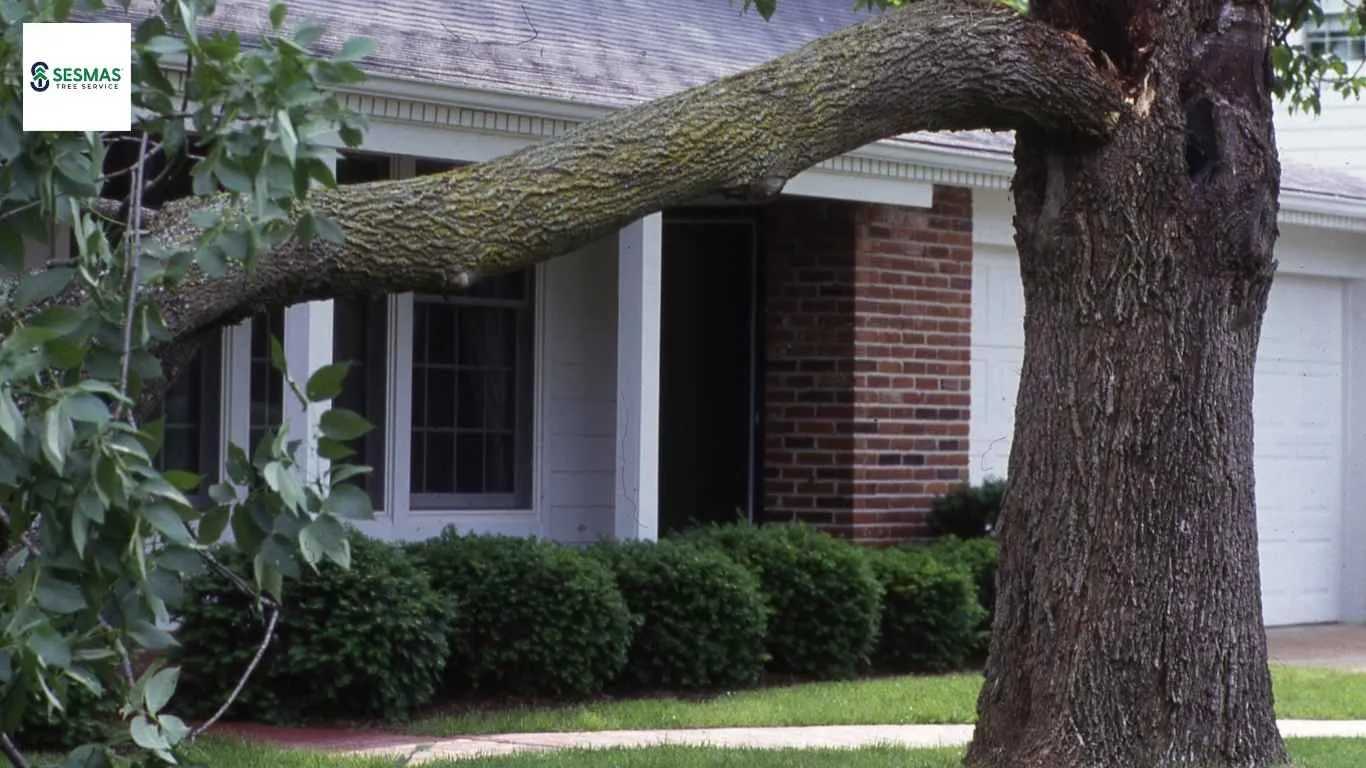
Winter pruning is also quiet preparation for the next round of heavy rain, wind, and summer thunderstorms. By thinning out weak, dead, or overextended branches, you reduce the “sails” that catch wind and the leverage that snaps limbs near the trunk.
Removing hazardous wood now is usually far less expensive than cleaning up after an emergency failure. The result is a canopy that bends more and breaks less, protecting roofs, vehicles, play areas, and outdoor living spaces.
Better Spring Growth and More Color
There is also a performance side to winter pruning that many homeowners overlook. When unnecessary or declining limbs are removed in the dormant season, the tree can redirect stored energy into the remaining, well-placed branches as temperatures warm.
Flowering and fruiting trees often respond with fuller blooms and more consistent fruit set when pruned at the right winter stage. Improved light and air entering the canopy also benefit turf and plantings beneath the tree, not just the tree itself.
Less Disruption to Your Yard and Routine
Winter work brings some practical advantages that have nothing to do with biology. With outdoor living areas used less frequently, crews can set up equipment, move brush, and access tight areas without disrupting patios, gardens, or family gatherings.
When soil is firm or even lightly frozen, heavy trucks and chipper setups are less likely to leave ruts or compact the root zone. That means major pruning or removals can be completed with less impact on lawns, beds, and hardscapes.
When Winter Pruning Makes the Most Sense
Not every tree should be pruned at the same moment, but many common landscape species respond best when work is done between late fall and very early spring. Larger shade trees, older specimens with past storm damage, and trees with limbs over homes or driveways are prime candidates for a winter assessment.
Winter is also a smart time to evaluate young trees. A few careful cuts early on can correct co-dominant stems, improve spacing of main branches, and set a strong framework before any serious problems appear.
Subtle Clues Your Trees Need Attention
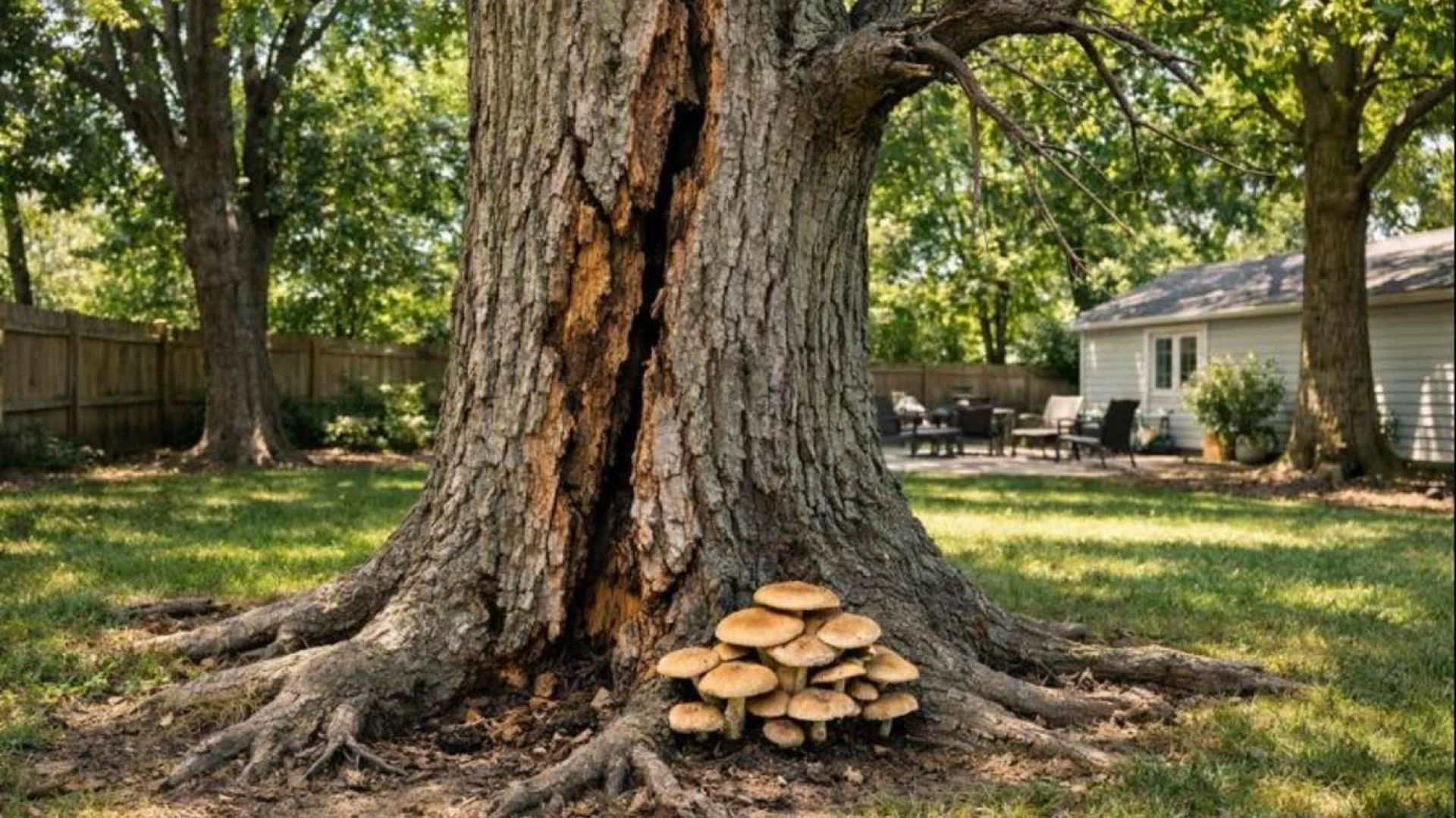
Even in the stillness of winter, trees quietly send signals that they need help. Look for flat or shelf-like fungal growth on trunks, cracks where large limbs attach, branches that stay bare while others show buds, or a canopy that leans more than it used to.
You might also notice branches brushing the roof, hanging over parking areas, or dropping small dead twigs after minor wind events. Each of these is a nudge to schedule a professional evaluation rather than waiting for a dramatic break.
Why Timing Matters for Tree Service Atlanta Homeowners
For homeowners searching for reliable Tree Service Atlanta providers, winter offers a strategic window to handle both safety work and long-postponed pruning projects before spring projects pile up. Crews can spend more time on thoughtful cuts, structural improvements, and hazard mitigation instead of racing between emergency calls.
Tackling Tree Service Atlanta needs in the colder months also means your trees step into spring already balanced, lighter, and prepared to handle new growth and seasonal storms. The result is a landscape that looks better and behaves better, often with fewer surprises.
A Winter Invitation to Act
If your trees have been quietly ignored while life stayed busy, winter is your chance to catch up while nature presses pause. A careful winter inspection can turn potential hazards into well-shaped, resilient trees that frame your home beautifully for years to come.
Instead of waiting for the next branch to fall or another storm to test your luck, schedule a professional winter pruning visit with Sesmas Tree Service LLC and give your trees the advantage of expert attention when it matters most.

























Sign in to leave a comment.