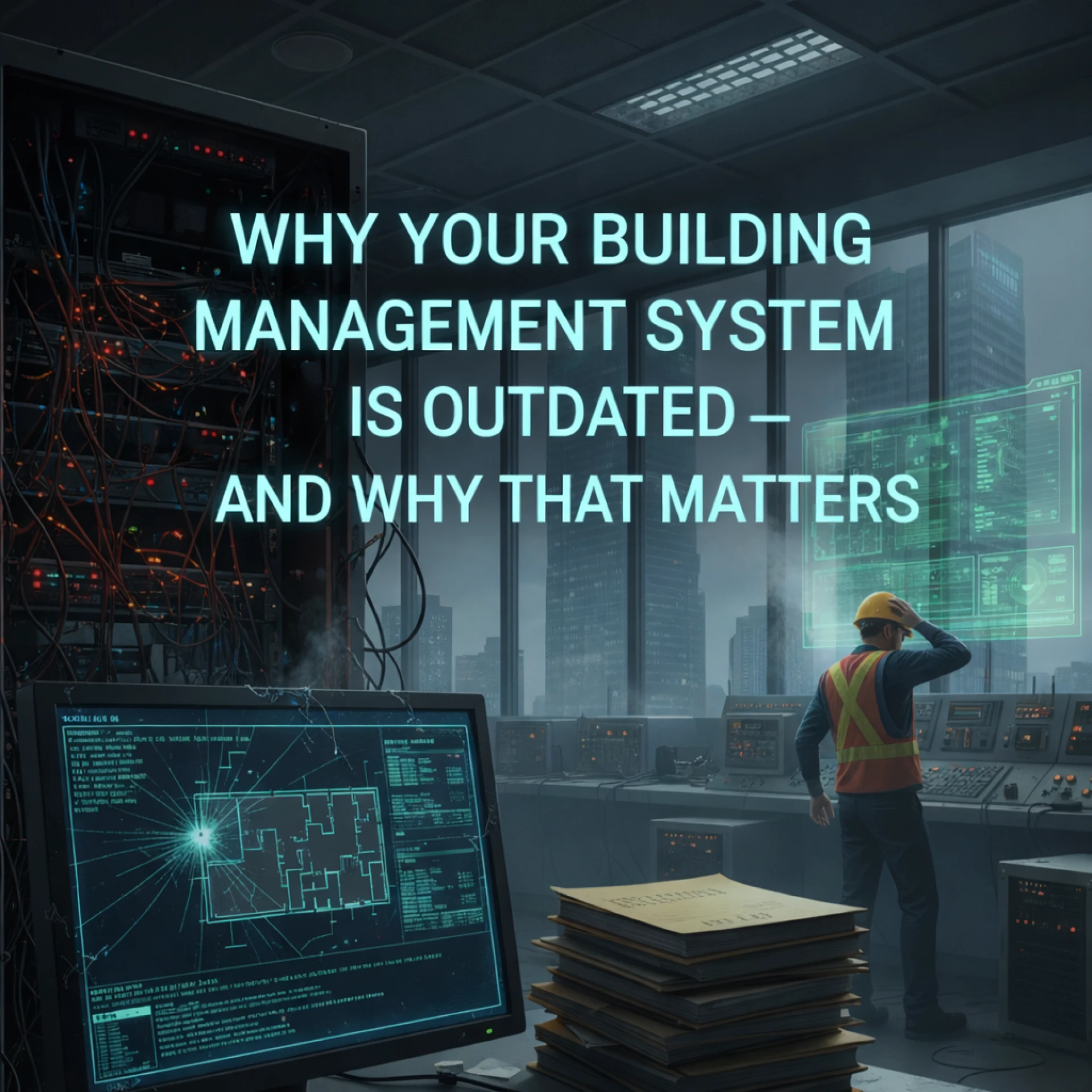
The property management world is at a crossroads right now. Managers everywhere are wrestling with the same question: do they keep working with the systems they've always used, or is it time to move on to something better? This decision goes way beyond just budget concerns – it's really about figuring out if those old tools are actually making everything harder than it needs to be.
A lot of property management businesses are still relying on technology that was designed twenty or thirty years ago. Sure, those systems did their job back in the day, but let's be real – the real estate world looks nothing like it did then. Tenants today want everything handled quickly through their phones. Maintenance crews expect to work from anywhere. Property owners demand detailed financial information whenever they want it. Those older systems simply weren't built for this kind of world.
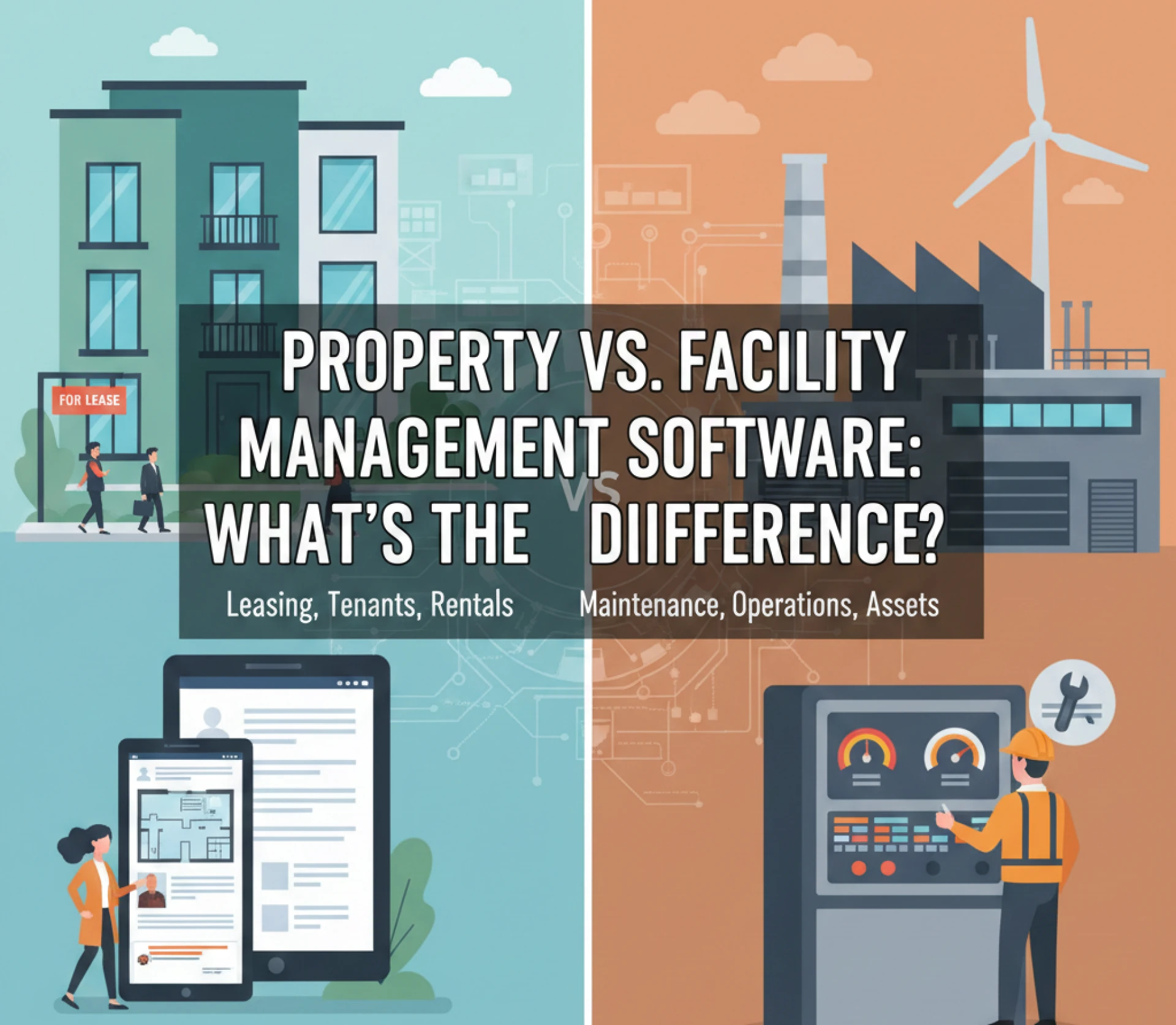
What's interesting is how software product companies have totally changed what property management tools can do. We're not talking about basic rent collection anymore. Today's platforms come loaded with Facility management systems that monitor every single maintenance ticket, coordinate repair schedules, and can even tell you when something's probably going to break before it actually does. Many also include integrated visitor tracking and security features right out of the box. This stuff used to be optional, but now it's pretty much necessary if you want to run properties without constant headaches.
The Real Price of Staying Put
There are costs to using outdated systems that never show up on any bill, and they're worth talking about. Most property managers working with old software end up juggling multiple platforms that can't share information with each other. Financial records sit in one program, work order tracking happens somewhere else, and talking to tenants means endless emails and phone calls. The result? A ton of repeated work and information that gets lost along the way.
Teams burn through hours every single week just copying information from one place to another. One person updates a spreadsheet manually. Someone else has to verify that everything's accurate. Those hours pile up quickly, and that's time nobody's spending on what actually matters – taking care of properties and keeping tenants happy.
The tenant side of things suffers too. When someone submits a maintenance request through an outdated system, they're left in the dark about what's happening. They end up calling to check in. The property manager has to hunt through emails or paper files to figure out where things stand. It's annoying for everyone, and annoyed tenants eventually move out.
Managing maintenance becomes incredibly difficult with old technology. Work orders disappear. Contractors show up without the details they need. Emergency situations drag on because nobody can check the system unless they're sitting at an office computer. Property managers spend their days trying to track people down by phone instead of stopping problems before they get serious.
What You Gain With Better Systems
Here's something modern property management platforms do that older ones just can't – they give you useful information right when you need it. Managers don't have to wait until the month ends to understand how things are going. They can check everything instantly. Which buildings are eating up maintenance budgets? Where are units sitting empty longer than usual? What does cash flow actually look like today?
Having this kind of immediate access helps managers make better choices faster. They catch issues early, work out better contracts with service providers, and show property owners exactly how their investments are performing.
Communication becomes dramatically simpler. Tenants can send in requests through mobile apps or online portals, receive automatic status updates, and handle rent payments digitally without anyone needing to deal with physical checks. Property managers stop fielding the same basic questions repeatedly because tenants can look up answers on their own.
Staying compliant gets easier too. Tracking lease agreements, inspection dates, and regulatory obligations is much more straightforward when everything exists in a single platform. The system can automatically remind people about upcoming renewals or required inspections, so important deadlines don't get missed.
Thinking About the Investment
This is usually where property managers pump the brakes – modern platforms require upfront investment. Monthly subscription costs can look expensive when compared to just maintaining the current setup. But that's not really an apples-to-apples comparison.
Old systems come with hidden expenses that are easy to overlook. IT support and maintenance for aging software costs serious money. When something goes wrong, repairs take forever because there aren't many people left who understand how to fix old technology. Some businesses spend thousands every year just preventing their legacy systems from completely falling apart.
Then there's what inefficiency actually costs. Staff time wasted on manual data entry and tracking things down represents real money being thrown away. Losing good tenants because of poor experiences means vacancy costs and turnover expenses. Letting maintenance problems escalate because they weren't properly monitored means paying for expensive emergency fixes instead of affordable preventive care.
Most property management operations discover that modern platforms cover their own costs within twelve to twenty-four months, purely from saving time and avoiding mistakes. Factor in keeping tenants longer and managing more properties with existing staff levels, and the financial case becomes obvious.
Handling the Transition
The biggest concern about changing systems usually centers on the switchover itself. Nobody's excited about migrating data, training staff, and dealing with temporary disruptions. That's completely understandable – changing systems takes real work. The good news is that software product companies have gotten much better at making transitions manageable. They assist with moving data over, train teams properly, and stick around to help during the adjustment phase.
The important thing is choosing a platform that matches how the business actually operates. Companies managing apartment buildings need different capabilities than those handling office spaces or short-term rentals. The strongest systems adapt to how property managers prefer to work, rather than forcing everyone to completely overhaul their processes right away.
What It Comes Down To
Staying with outdated building management tools might seem easier because they're familiar territory. But those systems are generating costs and complications that get worse every year. Modern property management platforms aren't flawless, but they address genuine problems that older tools simply can't solve anymore.
The real question isn't whether to invest in new technology. It's whether property management operations can afford to keep bleeding time, money, and tenants to outdated systems that weren't designed for how real estate actually functions today.




























Sign in to leave a comment.