
Electromagnetic interference (EMI) compliance is no longer optional in modern electronic environments. Whether you're designing industrial machinery, medical devices, or secure communication systems, failing EMI compliance can delay product launches, increase costs, and compromise reliability. Understanding why equipment fails EMI testing and how to fix it is essential for engineers and system designers.
Understanding EMI Compliance Failures
EMI compliance failures occur when electronic equipment generates or is susceptible to excessive electromagnetic interference. Regulatory standards exist to ensure devices operate without interfering with other electronics. However, many systems fail testing due to poor design decisions, inadequate shielding, or insufficient filtering.
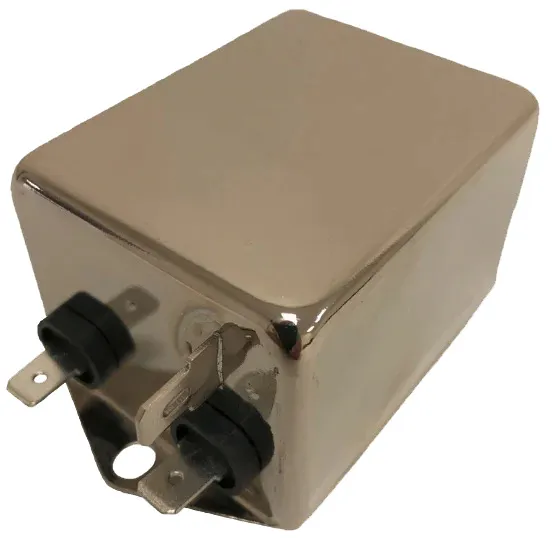
One of the most common issues is improper power line filtering. Without effective filtering, noise travels through cables and radiates into surrounding equipment. Using Single Phase Power Line Filters at the power entry point helps reduce conducted emissions and prevents compliance failures.
Common Reasons Equipment Fails EMI Testing
1. Poor Power Supply Design
Switching power supplies are major contributors to EMI. High-frequency switching generates unwanted harmonics that propagate through power lines and cables. If not properly managed, these signals can cause equipment to exceed compliance limits.
Installing an ac power filter helps suppress these unwanted frequencies before they affect system performance. In many cases, designers also incorporate an emi noise filter to reduce both conducted and radiated interference.
2. Inadequate Grounding and Shielding
Improper grounding can create noise loops and increase emissions. Poor shielding also allows electromagnetic signals to escape from enclosures. These problems are especially common in complex industrial environments.
Using a properly designed RFI Line filter helps reduce high-frequency noise and improves grounding effectiveness. This simple addition can significantly improve EMI performance.
3. Incorrect Filter Selection
Selecting the wrong filter for the application often leads to compliance failures. Many systems require different filtering strategies depending on power type and load requirements. For example, single phase filters work well for smaller systems, while industrial three phase emi filters are necessary for heavy-duty industrial applications.
Matching the filter type to the equipment's power requirements is essential for achieving compliance.
4. Lack of DC Noise Suppression
Many engineers focus only on AC noise and overlook DC interference sources. Battery-powered devices, renewable energy systems, and communication equipment often require specialized filtering solutions. This is where DC EMI Filters become critical for reducing noise in direct current systems.
Ignoring DC noise can lead to unexpected compliance failures during testing.
Industry-Specific EMI Challenges
Different industries face unique EMI compliance challenges. For example, medical environments require extremely low noise levels to ensure accurate readings. MRI filters are commonly used in these applications to prevent interference that could affect imaging quality.
Similarly, defense and aerospace industries must meet strict compliance standards. Military EMI Filters are designed to withstand harsh environments while maintaining performance. In aviation systems, Do-160 filters help meet electromagnetic compatibility requirements for airborne equipment.
These specialized filters demonstrate how compliance solutions vary across industries.
Security and Sensitive Facility Considerations
High-security environments introduce additional EMI challenges. Secure communication facilities must prevent electromagnetic leakage that could compromise sensitive information. In such cases, Tempest Filters are used to control emissions and enhance signal security.
Additionally, secure infrastructure projects often require advanced solutions like Custom kVAR SCIF facilities, which help reduce reactive power while maintaining strict EMI performance standards. These environments demand precise filtering to ensure both compliance and operational security.
How to Fix EMI Compliance Failures
1. Add Proper Filtering at Power Entry
Installing filters at the power entry point is one of the most effective ways to fix EMI issues. This approach prevents noise from entering or leaving the equipment and improves overall performance.
2. Improve PCB Layout
Poor PCB design can contribute to EMI problems. Minimizing loop areas, separating noisy components, and optimizing trace routing can significantly reduce emissions.
3. Use Shielded Enclosures
Shielded enclosures help contain electromagnetic signals and prevent interference. Combined with proper filtering, shielding improves compliance results.
4. Select the Right Filter Type
Choosing the appropriate filter based on system requirements is essential. Consider factors such as:
- Power configuration
- Current rating
- Application environment
- Compliance requirements
- Installation constraints
These considerations help ensure effective EMI suppression.
5. Conduct Pre-Compliance Testing
Testing early in the design process helps identify problems before official compliance testing. Pre-compliance testing reduces delays and lowers development costs.
Final Thoughts
EMI compliance failures can be frustrating, costly, and time-consuming. However, most issues can be resolved with proper design practices and effective filtering solutions. From improving power supply design to selecting the right filters, engineers have multiple options to ensure compliance success.
By understanding the common causes of EMI failures and implementing the right solutions, you can improve system reliability, reduce downtime, and meet regulatory standards with confidence. Investing in proper EMI control early in the design process not only ensures compliance but also enhances overall product performance and longevity.
Need help selecting the right EMI solution? At Premier Filters, we specialize in advanced EMI filtering solutions designed for commercial, industrial, medical, military, and secure facility applications. Whether you need high-performance filtering for sensitive equipment or customized solutions for complex environments, Premier Filters offers reliable products engineered for compliance and performance. Contact Premier Filters today to find the right solution and ensure your equipment meets EMI compliance standards with confidence.



























Sign in to leave a comment.