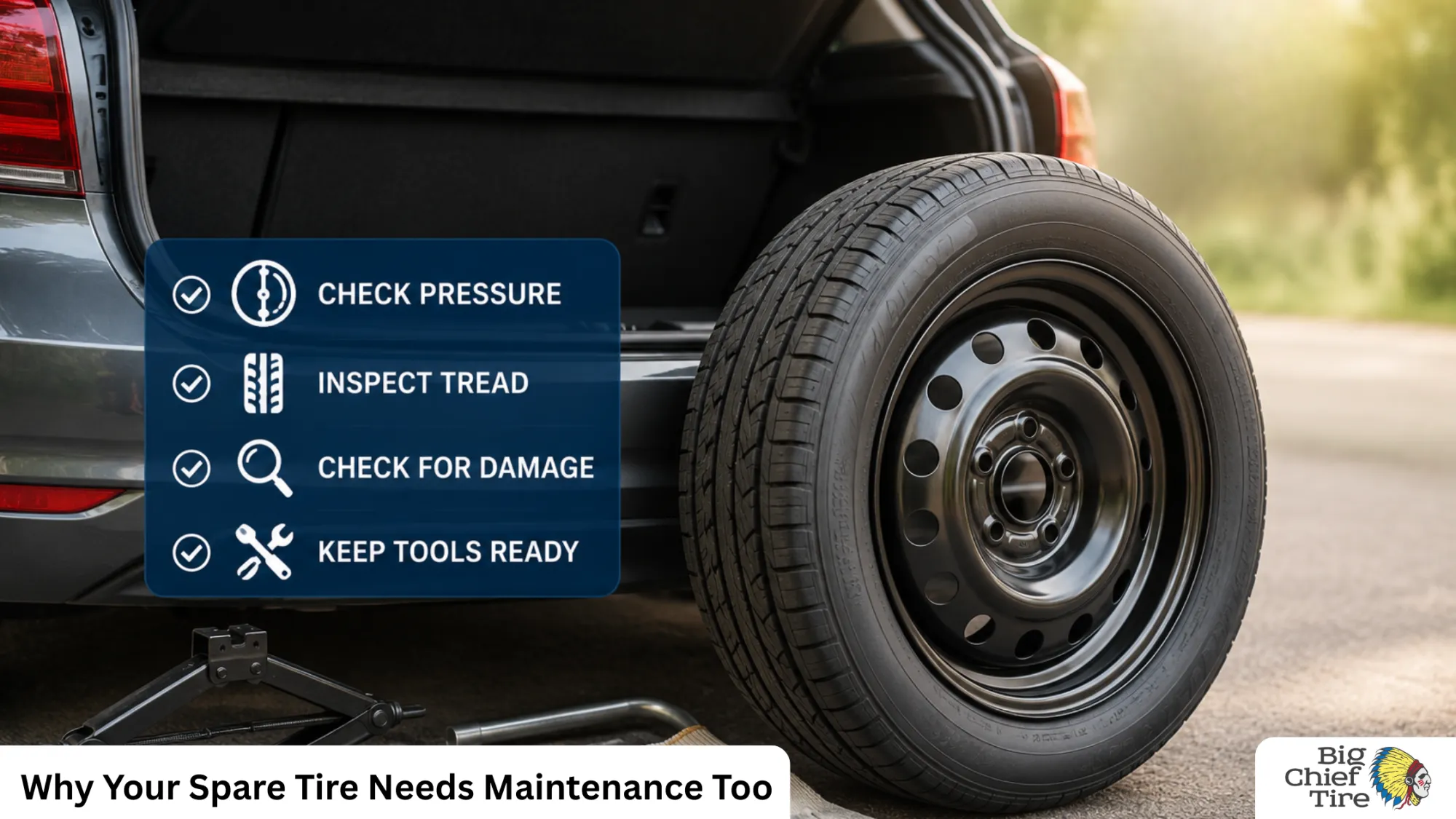

While most drivers remember to inspect all four tires, few do so on the spare tire, which is usually done at an unfortunate time, after the driver finds out that the spare tire is flat, worn out, or lacks important equipment.
Getting a flat tire on your way to work or during a family road trip could leave you with an unusable spare tire. That will make the process longer and more expensive. That is why spare tire maintenance cannot be overlooked.
Visiting a reliable tire repair shop for regular inspections will give you a functional spare tire in case of an emergency. Even though drivers pay close attention to their vehicle's four tires, the spare tire often remains untouched for many years.
According to a detailed report by the National Highway Traffic Safety Administration, tire-related crashes account for more than 11,000 accidents each year in the USA. This blog explains the importance of maintaining your spare tire under various conditions.
Why Do Many Drivers Forget About Their Spare Tire?
A spare tire is a part of your car that you usually forget about because it is stored in the trunk or under the car. As it is rarely used, it is in perfect condition. All tires lose air pressure and get old even if they are not used.
Failing to check the backup tire can lead to many problems during a roadside emergency. Whatever the type of spare tire you have, an emergency spare tire, a compact spare tire, or a full-size spare tire, it needs the same attention as the other tires.
Why Proper Spare Tire Maintenance Is Important?
Your spare tire is a tool that you need in case of an emergency. If it is inoperable, you may need the services of a towing company or roadside assistance to have your tire replaced.
The proper spare tire maintenance will bring you the following advantages:
- Improved roadside safety.
- Quicker recovery after a flat tire.
- Fewer chances to incur unexpected costs for towing.
- More security when you go on a long trip.
- Better confidence that your spare tire will work when you need it.
Spending five minutes checking your spare each month can save hours of frustration later.
Checking Tire Pressure Regularly
One of the most common reasons for failures in spare tires is improper air pressure. Tires slowly lose air even when not in use. If your spare tire has been in storage for years without any tire pressure checks, it may be almost empty when you need it.
You need to check your spare tire pressure according to your vehicle manufacturer's recommendations. Many specialists advise doing this at least once every month or whenever you check your regular tires. Maintaining proper pressure will allow your tire to support your vehicle until it is repaired or replaced successfully.
Six Signs Your Spare Tire Needs Attention
During routine inspections, technicians often find spare tires with less than half the recommended air pressure because they haven't been checked in years. The signs that can help you determine possible issues include:
- Lack of valve cap.
- Rust on the tire wheel.
- Bulges and unequal tire wear.
- Cracks in the tire sidewall.
- Brittleness and dryness of rubber.
- Objects embedded in the rubber and tire pressure.
Although your spare tire is mostly stored, environmental factors like age, moisture, and heat can degrade its condition.
Performing A Spare Tire Tread Inspection
Many drivers think that unused tires always have appropriate tread. Even though the spare tire slowly wears down the tread, it should still be checked. In the course of a proper tire tread inspection, you should pay attention to:
- Unequal tread pattern.
- Dry rot between tread blocks.
- Possible damage caused by improper storage of the tire.
- Manufacturer-recommended minimum tread depth.
If there are signs of deterioration, it is time to replace your spare tire.
Understanding The Difference Between A Compact and A Full-Size Spare Tire
All spare tires are not similar. A compact spare tire is lighter and can be used only for short-term driving. Most manufacturers recommend driving at a lower speed with this tire and traveling shorter distances.
A full-size spare tire matches your regular tires and can be driven longer, and extends tire life, but it still needs a regular inspection. Knowing which tire you have will help you in an emergency.
How To Maintain Your Spare Tire Properly
There are many questions for drivers: How to maintain a spare tire? How to do it fast and effectively? Here are the steps:
- Check the spare tire's air pressure every month.
- Check the rubber for cracks or damage.
- Keep the tire's storage area clean and dry.
- Confirm that jack and tire-changing tools are available.
- Replace the old or damaged tires.
- Include your spare tire in the routine vehicle tire maintenance.
This practice will greatly increase reliability.
Do Not Forget The Tire Changing Tools
Having a proper spare tire is not enough. In case of a flat tire emergency, you need the following tools:
- Reflective warning triangle.
- Gloves.
- Flashlight.
- Wheel lock key, if available.
- Vehicle jack.
- Lug wrench.
Regularly checking these tools will allow you to change the tire quickly and safely.
Practical Example: An Inspection Saved David from Needing Roadside Assistance
David wanted to go on a weekend trip with his family. To be prepared, he checked his vehicle and the spare tire inspection. He found out that the spare tire had only half of the recommended air pressure. He inflated the tire before the trip started.
Two days later, one of his regular tires was damaged by some road debris. With the spare tire properly inflated, David replaced it within minutes and reached the nearest service station. This quick inspection saved him from waiting hours for the roadside assistance.
Including The Spare Tire In Routine Tire Service
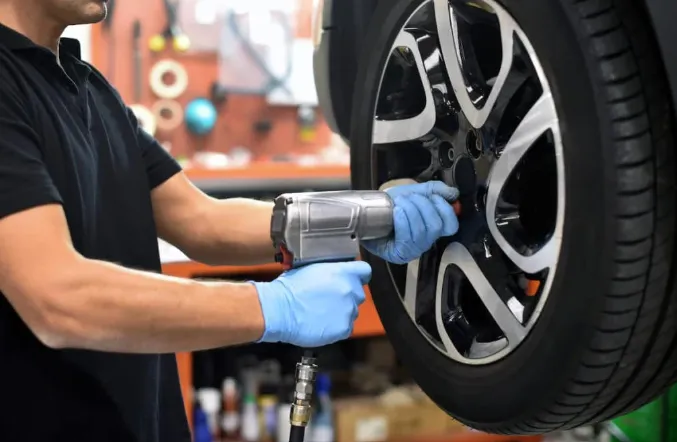
Whenever you arrange tire rotation services, ask the technician to inspect your spare tire. A professional tire inspection includes the following steps:
- Verification of the tire pressure.
- Inspection for any damage.
- Checking the wheel condition.
- Inspecting the age of the tire.
- Recommendations for replacing the tire, if required.
Including the spare tire in your vehicle's routine maintenance takes little time.
When Do You Need To Replace Your Spare Tire?
Even though spare tires are not used, they have an expiration date. Many tire manufacturers recommend replacing aging tires after several years, depending on their condition, storage conditions, and the manufacturer's recommendations.
You need to consider spare tire replacement if there are the following signs:
- Exceeding the tire age.
- Significant damage.
- Repeated pressure loss.
- Dry rot.
- Severe cracking.
The replacement of an old spare tire is much cheaper than the problems that you can have with an unstable tire during a roadside emergency.
Maintain Your Spare Tire During an Emergency By Visiting A Tire Repair Shop
Maintaining your spare tire is one of the easiest ways to improve your vehicle's reliability and safety. Regular tire pressure checks, inspections, tread evaluations, and timely replacement will ensure your backup tire is ready when you need it.
Whether it is a compact or full-size spare tire, you will need to incorporate it into your regular vehicle tire maintenance schedule. If you are unsure about the condition of your spare tire, you should visit a reputable tire repair shop near you or a top-rated local service center offering tire installation Mandarin, Jacksonville, to have it inspected before your next trip.


























Sign in to leave a comment.