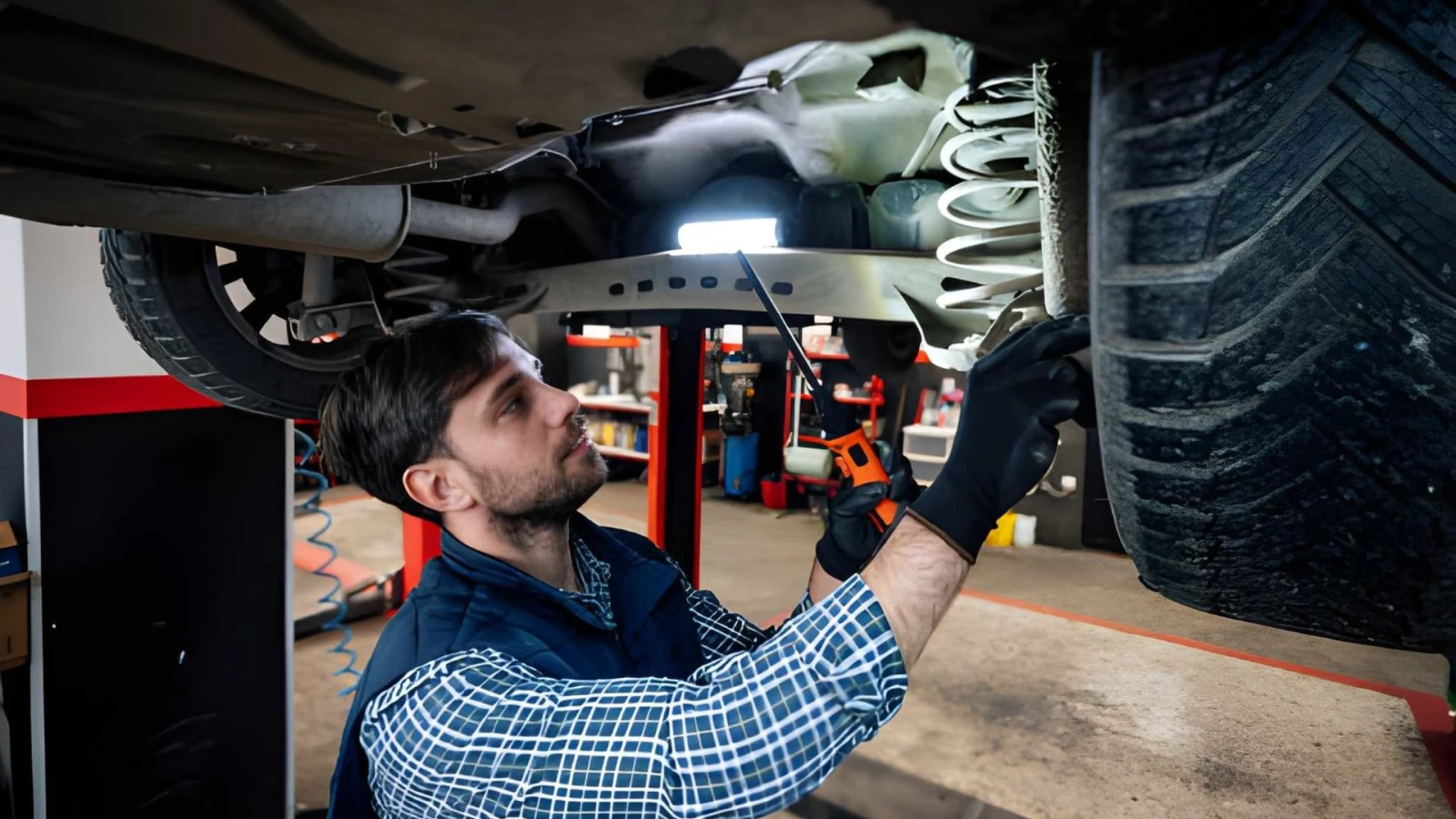

Most drivers only notice the suspension when the ride starts to get bumpy, or when the car behaves differently over changes in the road. The reality is, every time the vehicle moves, the suspension system does its work: it helps maintain balance, stability, and predictability, and it responds during panic braking.
That is why even routine car suspension repair can play an important role in keeping everyday driving safe and comfortable, especially when small issues begin to affect control without an obvious warning.
What the Suspension System Actually Does
The suspension system is the set of components that connects the wheels to the rest of the car. Its role is not merely to smooth over bumps. It also keeps the tires in contact with the road while supporting the vehicle's weight.
This system consists of several components that work together.
- Springs absorb impact from uneven road surfaces.
- Shock absorbers and struts control motion once the springs have compressed.
- The control arms maintain wheel alignment while allowing wheel movement, and the bushings reduce vibrations throughout the connected components.
And without suspension, all road imperfections would be directly transmitted to the vehicle. The wheels would bounce off the ground after an obstacle, sacrificing traction and precision.
Why Tire Contact Matters for Handling
The car runs well only if all four tires are on the ground. If a tire is not on the ground, it is a problem. The car will not stop as it should, and will have trouble going around corners. When a tire is on the ground, it touches the road in an area. This is called the contact patch. The suspension helps keep the tires on the ground on rough roads. The car is much safer when the suspension is working well, and all four tires are on the ground.
If a wheel loses proper contact with the road due to worn suspension parts, the tyre may skip slightly over bumps rather than gripping the road. That can reduce steering response and make the vehicle feel unstable, especially at higher speeds or during quick lane changes.
How Suspension Improves Steering Control
Suspension helps keep wheel movement under control in turns, providing steering support. That helps it control weight transference and react more consistently to steering input from the tires. This is what gives the steering a feeling of accuracy.
If suspension components start going bad, you could experience loose, delayed, or inconsistent steering.
Some drivers notice that the car needs small corrections even on straight roads.
A stable suspension reduces unnecessary body movement during turns. This allows the steering system to respond more directly, making the vehicle easier to control in traffic, on highways, or while parking.
Suspension’s Role During Braking
When a vehicle brakes, its weight naturally shifts to the front, and the suspension system counteracts this shift to keep the vehicle balanced. When the front suspension parts are in good shape. This means all the tires can do their job properly. This improves braking stability and can help maintain shorter stopping distances.
When the suspension parts are weak, the front of the vehicle may drop a lot when you brake. When the front of the vehicle moves forward, the rear tires do not grip the road as well as they should. This can make emergency stops feel less controlled.
The balance between the suspension and the vehicle's brakes is really important when driving on wet or uneven roads.
How Suspension Protects Safety on Rough Roads
Potholes, gravel surfaces, road bumps, and joints are always getting in the way. They are always interrupting things after you have driven on them a lot. The suspension takes in all these bumps and shocks. Then, these shocks reach the car's steering system. So when the wheel of the car hits a pothole, it does not bounce back away. The suspension helps determine how quickly the wheel returns to its position.
Without that control, even minor road damage can cause the car to veer off course or require the driver to steer frequently. This is one reason it's good to maintain a suspension, even on short trips, because bumpy roads can slowly wear it out.
Why Suspension Helps When Turning Corners
When the suspension parts do their job right, the body of the car does not lean much to one side. This means the car stays steady and balanced when you turn. The tires on the outside of the turn have to handle weight, but the suspension parts make sure the weight is spread out evenly across all the tires.
This is also where understanding the differences between shocks and struts becomes useful: both parts control movement, but in different ways depending on the vehicle design. A properly functioning system helps the car return smoothly to a stable position after the turn is completed.
Warning Signs of Suspension Problems
Suspension wear usually happens slowly. This makes it easy to ignore the signs.
- One common sign is that your car bounces a lot after hitting a bump.
- Uneven tire wear can also be a sign of suspension trouble. This is especially true if one side of the tire tread wears out faster than the other.
- Some drivers hear a knocking sound when they drive over bumps or rough roads. This may indicate worn bushings, loose joints, or damaged mounts.
- Another sign is when your car pulls to one side a bit while driving or braking. This happens even when the alignment seems normal.
These symptoms usually show up before a failure. That is why it is important to have your suspension inspected early.
How Worn Suspension Affects Safety Systems
Modern safety systems rely heavily on predictable tire grip. Features such as anti-lock braking systems, traction control, and stability control all work best when the suspension keeps the tires planted firmly.
The suspension is really important because it keeps the car steady. If the car is bouncing too much, the safety systems do not work as well.
For example, the anti-lock braking system works by rapidly changing brake pressure, but it needs the tires to remain on the road to work properly.
This means that the suspension condition directly affects how effectively modern electronic safety systems operate.
Importance of Regular Suspension Inspection
This is often when drivers begin looking into suspension shops near me, especially if handling starts feeling different during daily driving. Technicians usually look for leaks in shocks, cracked bushings, worn joints, and damaged mounting points.
Regular inspection helps identify wear before it affects handling or tire condition, which often occurs when suspension parts lose their original strength.
Suspension Health Supports Safer Driving Every Day
As we have seen, a suspension system does far more than improve comfort. It controls how a vehicle reacts to turns, braking, rough roads, and sudden changes in direction.
The car is a lot easier to handle when the system is in better condition. It can remain predictable and stable, making it easier to manage when you are driving in certain conditions.
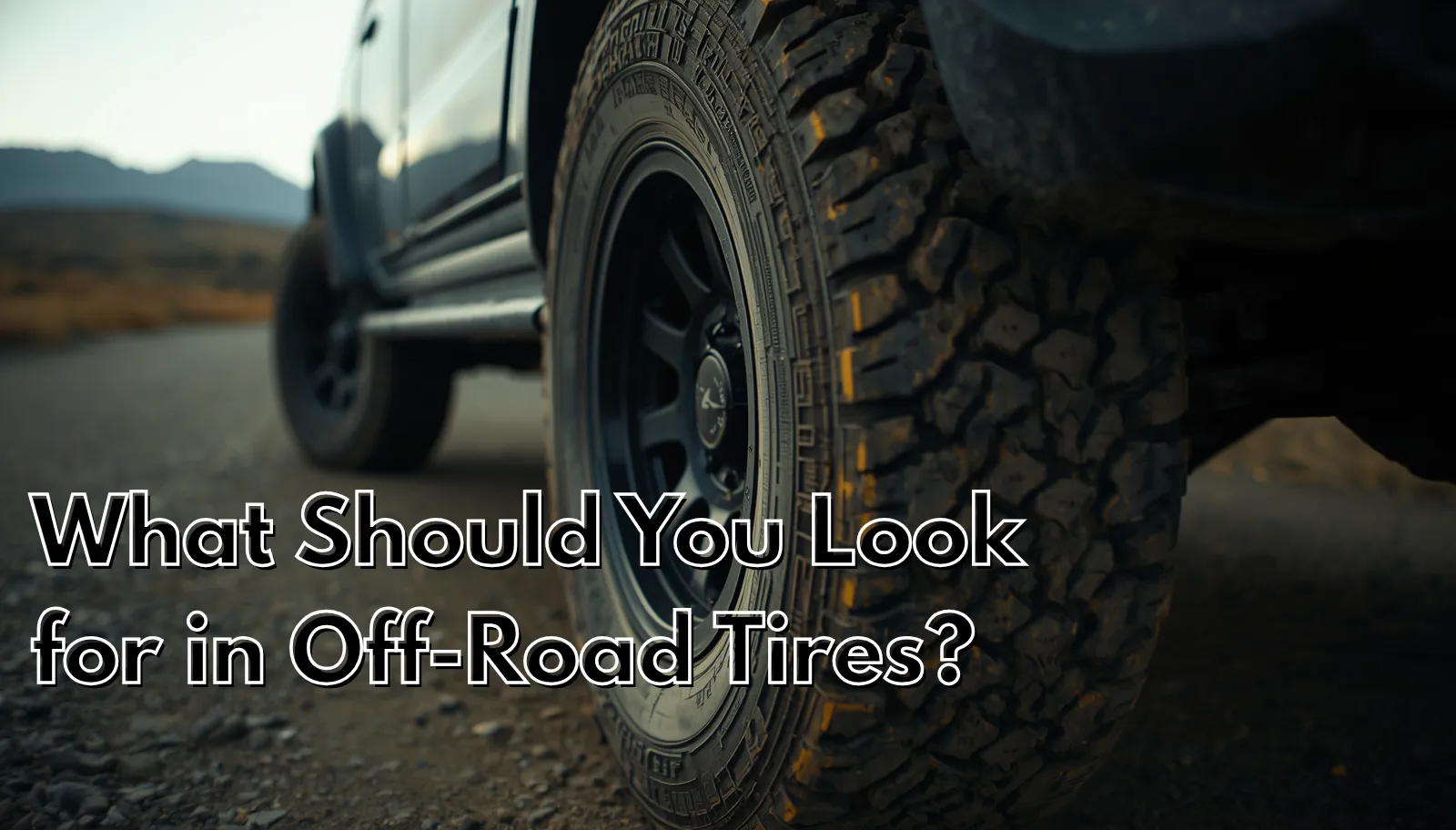
Because suspension and tire performance work closely together, suspension checks are often done alongside a tire car service to keep both systems working efficiently. This helps the suspension and tire performance work together to support driving and drive efficiently over time.


























Sign in to leave a comment.