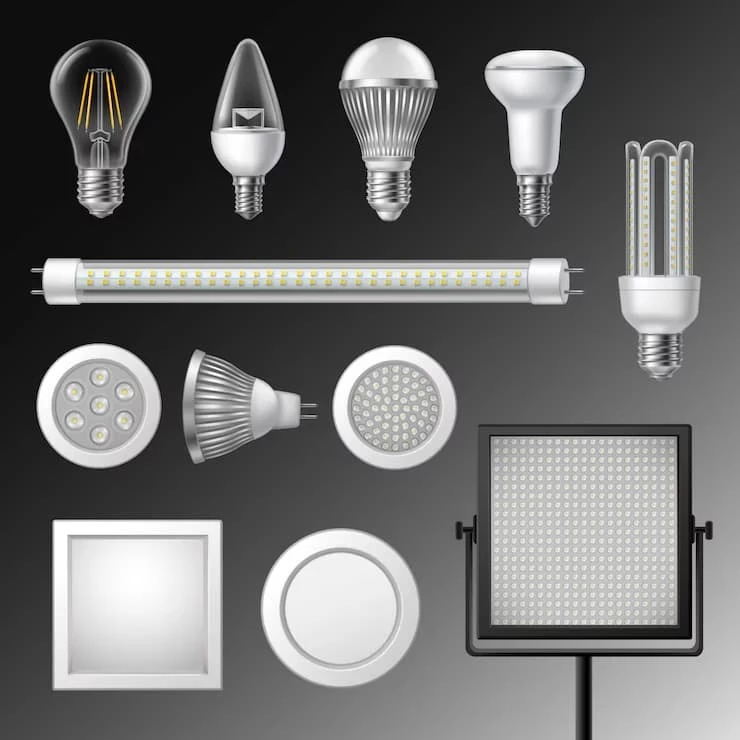

In the age of modern technology, LED lighting has become ubiquitous in our lives. From our homes to offices and public spaces, LED lights offer energy efficiency and versatility. However, concerns have arisen regarding the potential harm LED lighting might pose to our eyesight. In this article, we will delve into the effects of LED lighting on our eyes and separate fact from fiction.
The Evolution of Lighting: From Incandescent to LED
The Rise of LED Lighting (H2)
LED (Light Emitting Diode) lighting has rapidly gained popularity due to its energy efficiency, durability, and flexibility. Unlike traditional incandescent bulbs, LEDs emit light when an electric current passes through a microchip, illuminating tiny light sources known as LEDs.
Understanding Blue Light (H2)
Blue light is a high-energy visible (HEV) light that is emitted by both natural sources like the sun and artificial sources like LED screens and lighting. It's a concern because prolonged exposure to blue light has been linked to disruptions in our circadian rhythms and potential eye strain.
LED Lighting and Eye Health: Separating Facts from Myths
Myth: LED Lights Emit Dangerous UV Rays (H2)
Some individuals worry that LED lights emit harmful ultraviolet (UV) rays similar to those produced by the sun. However, LEDs are designed to emit visible light, and they contain filters that minimize UV emissions.
Understanding Glare and Flicker (H2)
Glare and flicker from LED lights can contribute to eye strain and discomfort. The rapid and often imperceptible flickering of LEDs can lead to headaches and visual disturbances.
Potential Effects of LED Lighting on Eyesight
Eye Strain and Discomfort (H2)
Extended exposure to LED screens and lighting can cause digital eye strain. This includes symptoms like dry eyes, headaches, and blurred vision.
Disruption of Sleep Patterns (H2)
Blue light emitted by LEDs can interfere with our sleep-wake cycle by suppressing melatonin production, making it harder to fall asleep.
Age-Related Macular Degeneration (H2)
Some studies suggest a potential link between excessive blue light exposure and an increased risk of age-related macular degeneration (AMD), a leading cause of vision loss.
Mitigating the Effects of LED Lighting
Adjusting Screen Settings (H2)
Reducing screen brightness, enabling blue light filters, and taking breaks can help alleviate digital eye strain caused by prolonged LED screen exposure.
Using "Warm" Light (H2)
Opting for warmer color temperatures in LED lighting, such as soft white or warm white, can minimize the potential impact of blue light on sleep patterns.
Conclusion
In conclusion, LED lighting itself may not be inherently harmful to our eyes, but prolonged and unregulated exposure can lead to discomfort, eye strain, and potential disruptions in sleep patterns. To mitigate these effects, it's essential to make informed choices about the type of LED lighting we use and take measures to reduce prolonged exposure, especially during evening hours.

























Sign in to leave a comment.