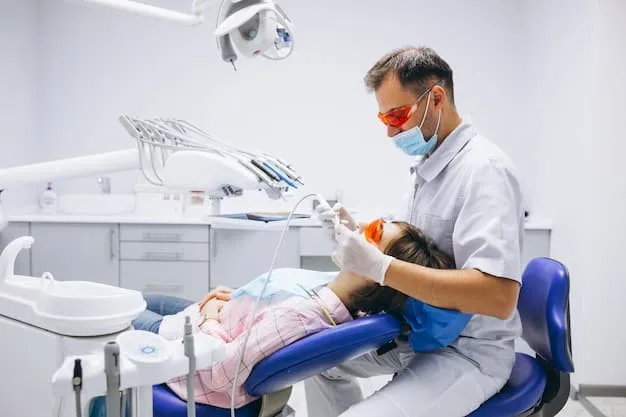

Paying monthly for dental care sounds simple. No large bills, fewer surprises, and routine visits are built into the plan. This idea is gaining attention, leading many to wonder, could subscription-based care replace the traditional dental clinic model?
The reality is more balanced. Subscription care is growing, but it is not likely to replace clinics entirely. Instead, it is changing how services are delivered and accessed.
What Subscription-Based Dental Care Means
A subscription model allows patients to pay a fixed monthly or annual fee.
In return, a dental clinic may offer:
- Regular check-ups and cleanings
- Basic preventive treatments
- Discounts on additional procedures
This approach focuses on ongoing care rather than one-time visits.
It is designed to make dental services more predictable and easier to manage.
Why Patients Are Interested
Cost predictability is a major factor.
Many patients hesitate to visit a dental clinic because they are unsure about expenses. Subscription plans reduce this uncertainty by spreading costs over time.
Other reasons include:
- Encouragement to attend regular check-ups
- Reduced upfront payments
- Simpler budgeting
For people without insurance, this model can feel more accessible.
Preventive Care at the Center
Subscription models emphasize prevention.
A dental clinic offering these plans often includes routine services as part of the package. This encourages patients to visit regularly rather than waiting for problems to develop.
Preventive care helps:
- Detect issues early
- Reduce the need for complex treatments
- Maintain long-term oral health
This shift aligns with modern dental approaches focused on early intervention.
Where Subscription Models Work Well
Subscription-based care is particularly useful for predictable services.
A dental clinic can easily include:
- Cleanings
- Exams
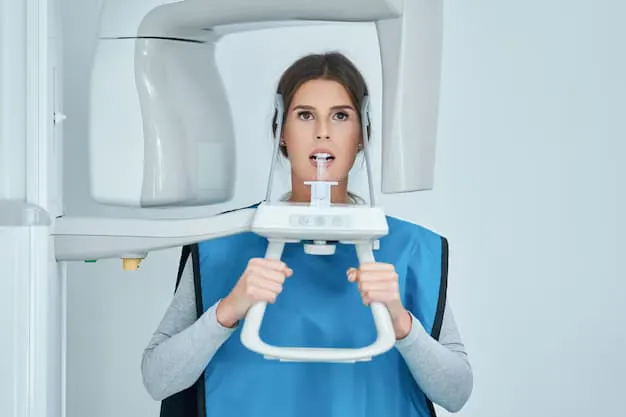
- Basic X-rays
These services are routine and can be scheduled regularly.
For patients who prioritize maintenance, this model offers convenience and structure.
Limitations of Subscription Dental Care
Despite its benefits, subscription care has limits.
Complex procedures such as:
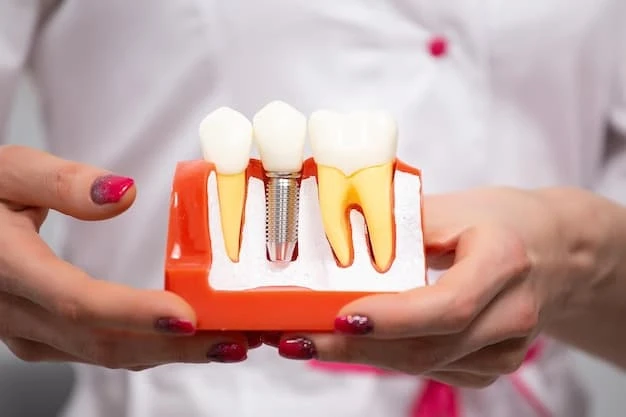
- Implants
- Root canal treatments
- Advanced cosmetic work
They are usually not fully covered.
Patients visiting a dental clinic under a subscription plan may still need to pay separately for these treatments.
This means the model does not replace traditional care; it complements it.
The Role of Traditional Clinics
A traditional dental clinic provides a full range of services, from preventive care to advanced procedures.
While subscription plans can cover routine visits, clinics are still essential for:
- Diagnosis of complex conditions
- Specialized treatments
- Emergency care
These aspects require expertise and resources that go beyond a subscription framework.
Flexibility vs Commitment
Subscription plans often require ongoing commitment.
Patients may need to stay enrolled for a certain period to benefit fully. A dental clinic offering subscriptions may also limit services to specific providers within their network.
Traditional visits, on the other hand, offer more flexibility. Patients can choose when and where to seek care without ongoing commitments.
Both approaches have advantages depending on individual preferences.
Impact on Patient Behavior
Subscription models can influence how patients approach dental care.
When routine visits are already included, patients are more likely to attend appointments. This changes the relationship with a dental clinic from reactive to proactive.
Instead of visiting only when there is pain, patients focus on maintaining health.
This shift can lead to better long-term outcomes.
Are Clinics Adapting to This Trend?
Many clinics are already adapting.
A dental clinic may now offer subscription-style plans alongside traditional services. This hybrid approach allows patients to choose what works best for them.
By combining both models, clinics can:
- Improve patient retention
- Encourage regular visits
- Offer more flexible payment options
This suggests that subscription care is evolving within the existing system rather than replacing it.
What Patients Should Consider
Before choosing a subscription plan, it helps to evaluate:
- What services are included
- What costs are additional
- Whether the plan matches personal needs
A dental clinic should provide clear details about coverage and limitations.
Understanding these factors helps avoid confusion later.
A Complementary Model, Not a Replacement
Subscription-based care is changing expectations, but it is not eliminating traditional dentistry.
A dental clinic remains essential for comprehensive care. Subscription plans simply add another layer of convenience, especially for preventive services.
Patients benefit when both models are available and clearly explained.
Final Thoughts
Subscription-based dental care offers a practical way to manage routine visits and reduce uncertainty around costs. However, it does not replace the role of a dental clinic in providing complete and specialized treatment.
Instead, it represents a shift toward more accessible and preventive care. When used alongside traditional services, it can improve how patients maintain their oral health over time.



























Sign in to leave a comment.