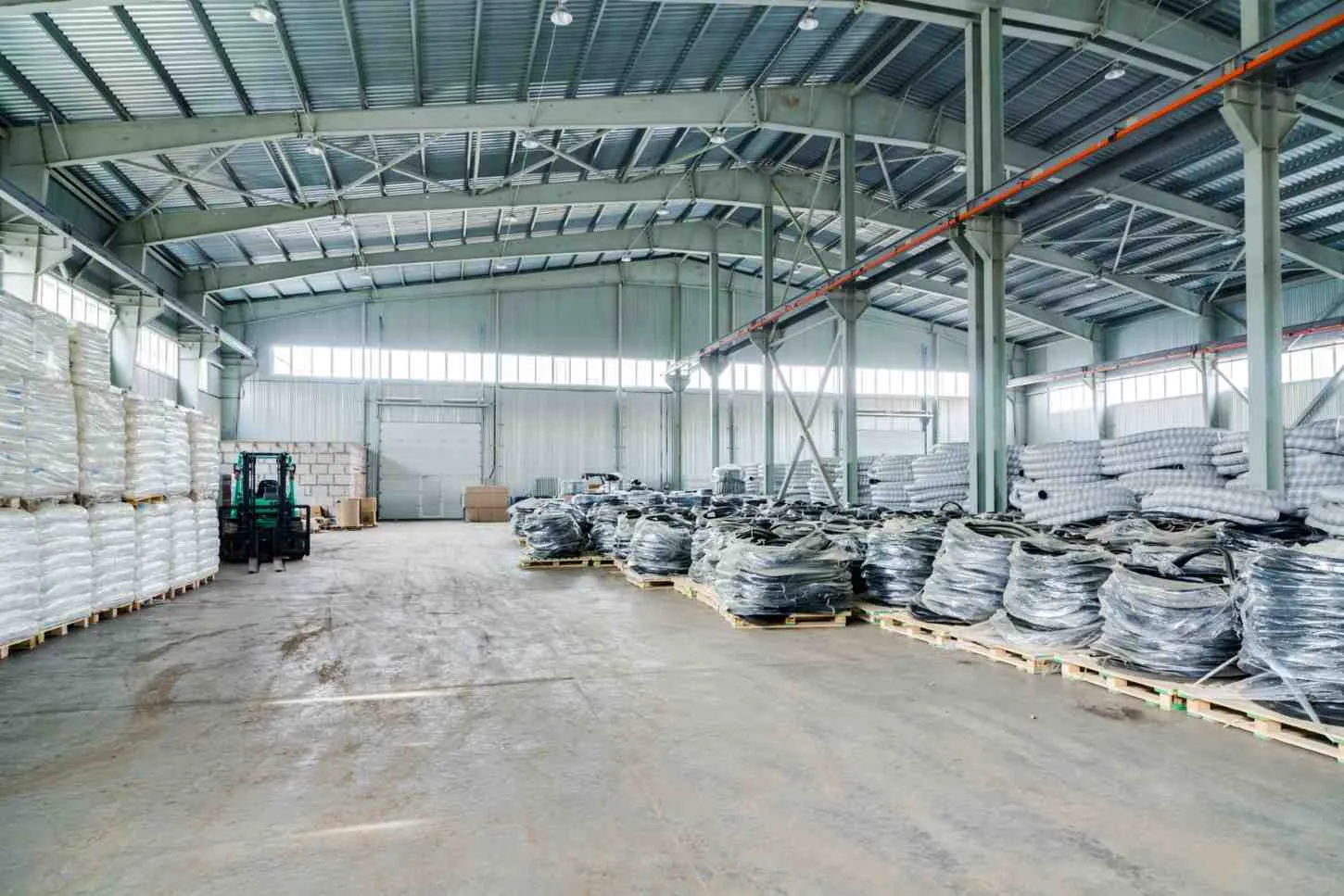

Wire ropes are the backbone of lifting, rigging, mining, marine, construction, and industrial operations. Their strength supports heavy loads, complex machinery, and critical movement systems that industries depend on every day. Yet even the strongest wire rope can fail when inspection routines are ignored or warning signs are overlooked.
A proper wire rope inspection checklist helps prevent costly downtime, workplace injuries, equipment damage, and operational delays. For maintenance teams, crane operators, site supervisors, and safety professionals, regular inspections are not optional—they are essential for maintaining performance and workplace safety.
At Mega Link Chains, safety and reliability remain at the core of every lifting and rigging solution. A structured inspection process ensures wire ropes continue performing efficiently under demanding conditions.
Why Wire Rope Inspection Matters
Wire ropes operate under constant stress. Load cycles, abrasion, bending, corrosion, environmental exposure, and improper handling gradually weaken the rope structure. Even minor defects can grow rapidly if left unnoticed.
Routine inspections help identify:
- Surface wear
- Internal damage
- Corrosion
- Broken wires
- Distortion
- Lubrication issues
- Fatigue damage
An effective wire rope inspection checklist allows maintenance teams to detect problems early before they become dangerous failures.
Industries that rely heavily on wire ropes include:
- Construction
- Oil and gas
- Mining
- Shipping and ports
- Manufacturing
- Elevators and hoists
- Cranes and lifting systems
In all these sectors, inspection routines directly influence worker safety and equipment lifespan.
Types of Wire Rope Inspections
Wire rope inspections are generally divided into several categories depending on operational requirements and safety regulations.
Initial Inspection
This inspection takes place before the rope is installed or put into service. It verifies that the rope matches specifications and has no shipping or manufacturing defects.
Inspectors should check:
- Rope diameter
- Construction type
- Lubrication condition
- Length
- End fittings
- Documentation
Frequent Inspection
Frequent inspections are usually visual checks performed daily or before each shift. Operators examine visible sections of the rope for obvious damage.
Key areas include:
- Broken wires
- Kinks
- Crushing
- Corrosion
- Uneven winding
Periodic Inspection
Periodic inspections are more detailed and carried out monthly, quarterly, or annually depending on usage intensity and operating conditions.
These inspections often involve:
- Measuring rope diameter
- Internal inspection
- Lubrication analysis
- Load history evaluation
- Examination of critical stress points
Special Inspection
Special inspections occur after unusual events such as:
- Shock loading
- Equipment malfunction
- Severe weather exposure
- Long idle periods
- Accidents
These inspections determine whether the rope remains safe for operation.
Essential Wire Rope Inspection Checklist
A detailed wire rope inspection checklist improves consistency and helps maintenance teams document rope condition accurately.
1. Check for Broken Wires
Broken wires are among the most common indicators of rope deterioration.
Inspect for:
- Random broken wires
- Concentrated wire breaks
- Crown wire breaks
- Valley breaks
Multiple broken wires within one lay length indicate advanced fatigue and possible replacement requirements.
2. Examine Rope Diameter
Measure the rope diameter regularly using calibrated tools.
A reduction in diameter may indicate:
- Core failure
- Internal wear
- Compression damage
- Corrosion
Significant diameter reduction is a serious warning sign that should never be ignored.
3. Inspect for Corrosion
Corrosion weakens wire ropes internally and externally.
Common causes include:
- Moisture
- Saltwater exposure
- Chemical contact
- Poor storage
- Lack of lubrication
Look for rust discoloration, pitting, and stiffness in the rope structure.
4. Identify Distortion
Distortion changes the rope’s original shape and compromises structural integrity.
Common distortions include:
- Birdcaging
- Kinking
- Crushing
- Core protrusion
- Loop formation
- Flattening
These conditions can severely reduce rope strength.
5. Inspect End Attachments
End fittings carry critical loads and must remain secure.
Check:
- Socket integrity
- Clamp tightness
- Thimble condition
- Wedge socket seating
- Swage fittings
Loose or damaged attachments create major safety hazards.
6. Verify Lubrication Condition
Proper lubrication reduces internal friction and protects against corrosion.
During inspections, look for:
- Dry rope surfaces
- Dirt buildup
- Excessive lubricant loss
- Contaminated lubricant
Effective wire rope maintenance depends heavily on proper lubrication practices.
7. Examine Drum and Sheave Interaction
Wire ropes interact continuously with drums and sheaves during operation.
Inspect for:
- Groove wear
- Misalignment
- Uneven winding
- Sharp edges
- Excessive friction
Poor sheave conditions accelerate rope deterioration.
8. Check for Heat Damage
High temperatures can weaken rope strength and affect lubrication quality.
Signs of heat damage include:
- Blue discoloration
- Burn marks
- Brittle wires
- Lubricant breakdown
Heat exposure often occurs in steel plants, foundries, and heavy industrial environments.
9. Inspect for Fatigue
Fatigue develops gradually from repeated bending and loading cycles.
Typical fatigue indicators include:
- Small wire cracks
- Reduced flexibility
- Surface wear patterns
- Broken crown wires
Fatigue damage becomes more severe in high-cycle operations.
10. Review Rope Rotation and Tension
Improper tension distribution causes uneven wear.
Inspect for:
- Rope twisting
- Rotation imbalance
- Uneven strand wear
- Drum spooling issues
Balanced loading extends rope service life significantly.
Common Damaged Wire Rope Signs
Recognizing damaged wire rope signs early can prevent accidents and expensive equipment failure.
Birdcaging
Birdcaging occurs when strands separate and form a cage-like appearance. This condition usually results from sudden load release or improper handling.
Kinks
Kinks permanently deform the rope structure and reduce load capacity. A kinked rope should never return to service.
Crushing
Crushing damage occurs when ropes are compressed improperly on drums or under heavy loads.
Core Failure
Internal core damage weakens rope support and causes uneven strand movement.
Corrosion Pitting
Corrosion pitting reduces wire strength and accelerates fatigue cracking.
Abrasion Wear
External wear from friction gradually removes metal from outer wires.
Rope Stretching
Excessive elongation may indicate internal structural damage or overload conditions.
All these damaged wire rope signs require immediate evaluation by qualified personnel.
Wire Rope Maintenance Best Practices
Consistent wire rope maintenance extends service life and improves operational safety.
Proper Lubrication
Lubrication minimizes:
- Friction
- Corrosion
- Internal wear
- Moisture penetration
Choose lubricants compatible with the rope type and operating environment.
Correct Storage
Store wire ropes:
- In dry environments
- Away from chemicals
- Off the ground
- Protected from direct sunlight
- Properly coiled
Improper storage can damage ropes before installation.
Avoid Shock Loading
Sudden impacts create internal stress and fatigue damage.
Operators should avoid:
- Jerking movements
- Sudden starts
- Rapid stopping
- Load swinging
Smooth operation greatly improves rope longevity.
Maintain Proper Sheave Alignment
Misaligned sheaves create uneven wear patterns and increase bending stress.
Regular alignment checks help maintain smooth rope movement.
Clean the Rope Regularly
Dirt and contaminants trap moisture and accelerate wear.
Cleaning helps inspectors identify developing problems more easily during inspections.
Rope Inspection Standards and Industry Compliance
Following established rope inspection standards ensures inspections remain consistent and compliant with safety regulations.
Several organizations provide inspection recommendations and operational requirements.
OSHA Requirements
The Occupational Safety and Health Administration establishes safety regulations for lifting equipment and wire rope usage.
OSHA inspections focus on:
- Broken wire limits
- Corrosion levels
- Distortion
- End connection safety
- Operational condition
ASME Standards
The American Society of Mechanical Engineers provides inspection criteria for cranes and lifting systems.
ASME standards outline:
- Inspection frequency
- Removal criteria
- Documentation requirements
- Qualified inspector responsibilities
ISO Standards
International Organization for Standardization guidelines support safe wire rope usage across industrial sectors worldwide.
Manufacturer Recommendations
Manufacturers provide specific inspection and maintenance requirements based on rope design and application.
Combining manufacturer instructions with recognized rope inspection standards improves safety performance.
Areas Most Vulnerable to Wire Rope Damage
Certain sections experience higher stress and wear than others.
Inspectors should pay special attention to:
- Drum crossover points
- Sheave contact areas
- End connections
- Load attachment points
- High-bending zones
These locations often reveal early damage signs before the rest of the rope shows visible deterioration.
Inspection Documentation and Record Keeping
Detailed inspection records help organizations track rope condition over time.
A proper inspection record should include:
- Inspection date
- Rope identification number
- Inspector name
- Operating conditions
- Observed damage
- Corrective actions
- Replacement dates
Documentation supports compliance efforts and improves preventive maintenance planning.
Warning Signs That Require Immediate Rope Replacement
Some conditions require immediate removal from service.
Replace the rope immediately if inspectors identify:
- Severe corrosion
- Multiple broken wires
- Core failure
- Heat damage
- Major distortion
- Significant diameter reduction
- Kinking
- Birdcaging
Delaying replacement can result in catastrophic failure.
Training and Inspector Competency
Even the best wire rope inspection checklist is ineffective without trained personnel.
Inspectors should possess knowledge of:
- Rope construction
- Load behavior
- Inspection techniques
- Safety regulations
- Damage identification
- Lubrication practices
Hands-on training improves inspection accuracy and safety awareness.
Environmental Factors Affecting Wire Rope Condition
Operating environments heavily influence rope deterioration rates.
Marine Environments
Saltwater accelerates corrosion and lubrication breakdown.
Mining Operations
Dust, abrasion, and heavy loading increase wear rates.
High-Temperature Facilities
Extreme heat weakens wire strength and damages lubricants.
Outdoor Construction Sites
Rain, mud, UV exposure, and temperature fluctuations contribute to rope degradation.
Inspection frequency should increase in harsh operating conditions.
Benefits of Preventive Inspection Programs
A preventive inspection strategy delivers major operational advantages.
Improved Safety
Early damage detection reduces accident risks significantly.
Reduced Downtime
Scheduled maintenance prevents unexpected failures.
Longer Rope Service Life
Proper wire rope maintenance extends operational lifespan.
Lower Replacement Costs
Timely inspections prevent severe equipment damage.
Better Regulatory Compliance
Documented inspections support workplace safety compliance.
Choosing Quality Wire Rope Products
Inspection routines become more effective when operations begin with high-quality products.
Reliable wire ropes should provide:
- Consistent construction quality
- High tensile strength
- Corrosion resistance
- Durable lubrication
- Compliance with industry standards
Mega Link Chains supplies dependable lifting and rigging solutions designed for demanding industrial environments. Quality materials combined with proper inspection practices create safer and more efficient operations.
Final Thoughts
Wire ropes perform critical tasks in industries where safety cannot be compromised. Small defects can quickly evolve into serious hazards when inspection routines are neglected. A structured wire rope inspection checklist helps identify wear, fatigue, corrosion, distortion, and other dangerous conditions before failure occurs.
Consistent inspections, proper documentation, trained personnel, and effective wire rope maintenance practices all contribute to safer workplaces and improved operational performance. Following established rope inspection standards and recognizing early damaged wire rope signs protects workers, equipment, and productivity.
For industries that depend on lifting and rigging systems every day, preventive inspection is more than a maintenance task—it is a vital part of operational safety and long-term reliability.


























Sign in to leave a comment.