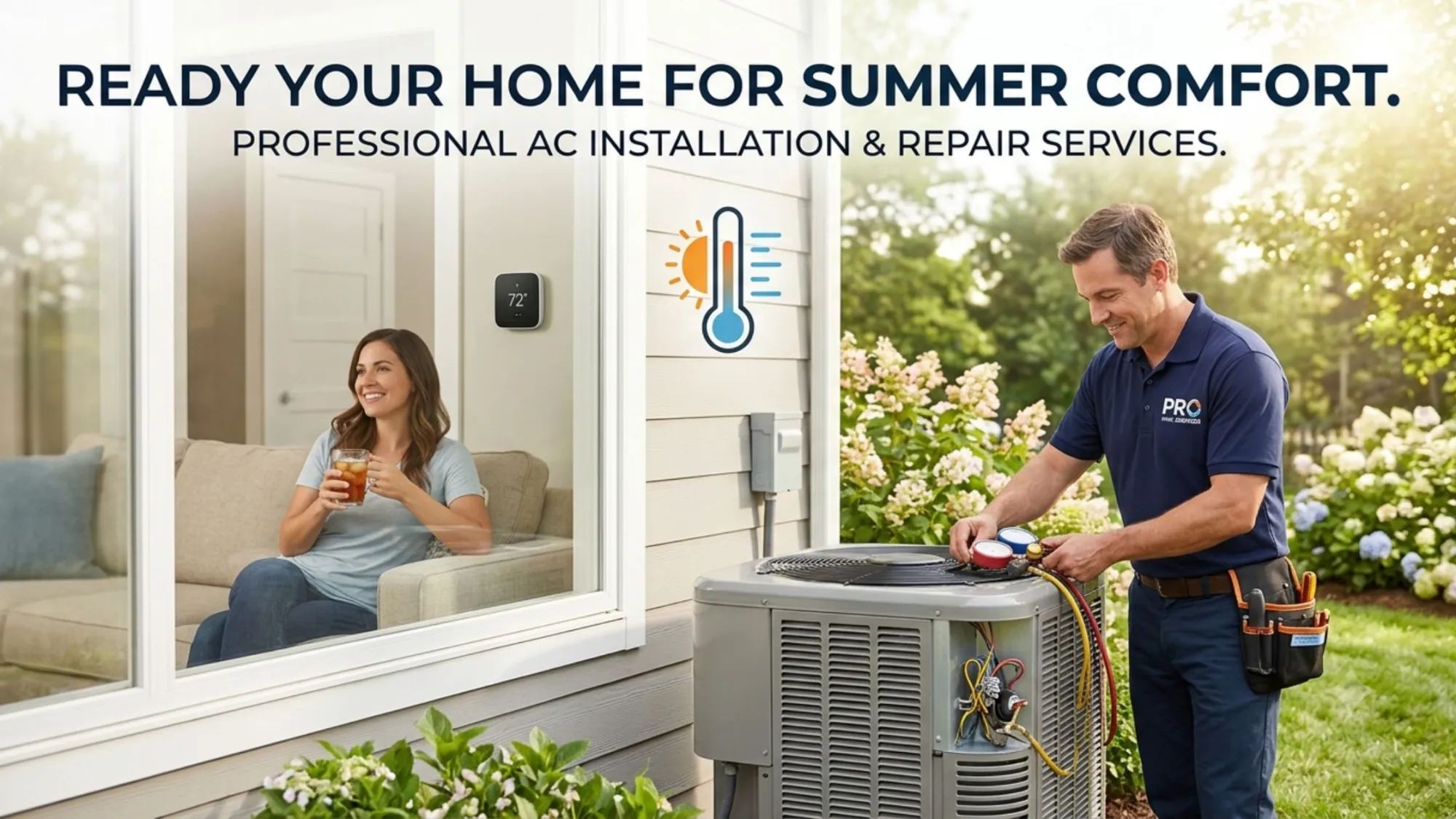

Summer puts every air conditioner to the test. When temperatures climb, homeowners rely on their cooling systems to keep indoor spaces comfortable, healthy, and energy-efficient. Unfortunately, many people only think about their AC when it stops working. By then, what could have been a simple repair often turns into an expensive emergency.
Whether you're replacing an aging unit, upgrading to a more efficient system, or fixing recurring cooling problems, understanding air conditioning installation and repair helps you make smarter decisions and avoid unnecessary costs. This guide explains what homeowners should know before summer arrives and how proper installation and timely repairs can maximize comfort while extending the life of their HVAC system.
Why Proper Air Conditioning Installation Matters
An air conditioner is only as good as the way it's installed. Even premium HVAC equipment can perform poorly if installation shortcuts are taken.
Professional installation ensures the system is correctly sized for the home, refrigerant levels are properly calibrated, airflow is balanced, and all electrical connections meet safety standards. These factors directly affect cooling performance, indoor comfort, and monthly utility bills.
A properly installed AC system offers several benefits:
- Lower energy consumption
- Consistent indoor temperatures
- Improved humidity control
- Quieter operation
- Longer equipment lifespan
- Reduced repair frequency
Homeowners often focus on the price of the equipment, but installation quality has an even greater impact on long-term performance.
Signs Your Air Conditioner Needs Repair
Ignoring early warning signs usually leads to more serious—and expensive—problems.
Here are common indicators that professional air conditioning installation and repair services may be needed:
1. Weak Airflow
If airflow from your vents feels weaker than usual, clogged filters, duct issues, blower motor problems, or compressor failure could be the cause.
2. Warm Air Instead of Cool Air
Warm air coming from your vents often indicates refrigerant leaks, compressor issues, or thermostat malfunctions.
3. Unusual Noises
Grinding, rattling, squealing, or banging sounds are never normal. These noises often point to worn bearings, loose components, or failing motors.
4. Frequent Cycling
If your system constantly turns on and off, it may be improperly sized, have thermostat issues, or struggle because of dirty coils.
5. High Energy Bills
A sudden increase in electricity costs often signals that your AC is working harder than necessary due to mechanical issues or poor efficiency.
6. Excess Humidity
A properly functioning air conditioner removes moisture from indoor air. If your home feels humid, your system may require professional inspection.
Repair or Replace: How Do You Decide?
Many homeowners wonder whether it's worth repairing an older AC or investing in a replacement.
Consider replacement if:
- Your system is over 12–15 years old.
- Repairs have become frequent.
- Cooling performance continues to decline.
- Energy bills keep increasing.
- Major components like the compressor have failed.
On the other hand, newer systems with minor issues usually benefit from professional repairs, especially when maintenance has been consistent.
A qualified HVAC technician can evaluate repair costs against the remaining life expectancy of your system and recommend the most cost-effective option.
What Happens During Professional Air Conditioning Installation?
Many homeowners don't know what the installation process actually involves.
A professional installation typically includes:
Home Evaluation
The technician performs a load calculation based on square footage, insulation, windows, ceiling height, and climate to determine the correct system size.
Equipment Selection
The right unit should balance efficiency, cooling capacity, and budget rather than simply choosing the largest model available.
Removal of Old Equipment
Existing indoor and outdoor units are safely disconnected and disposed of according to environmental regulations.
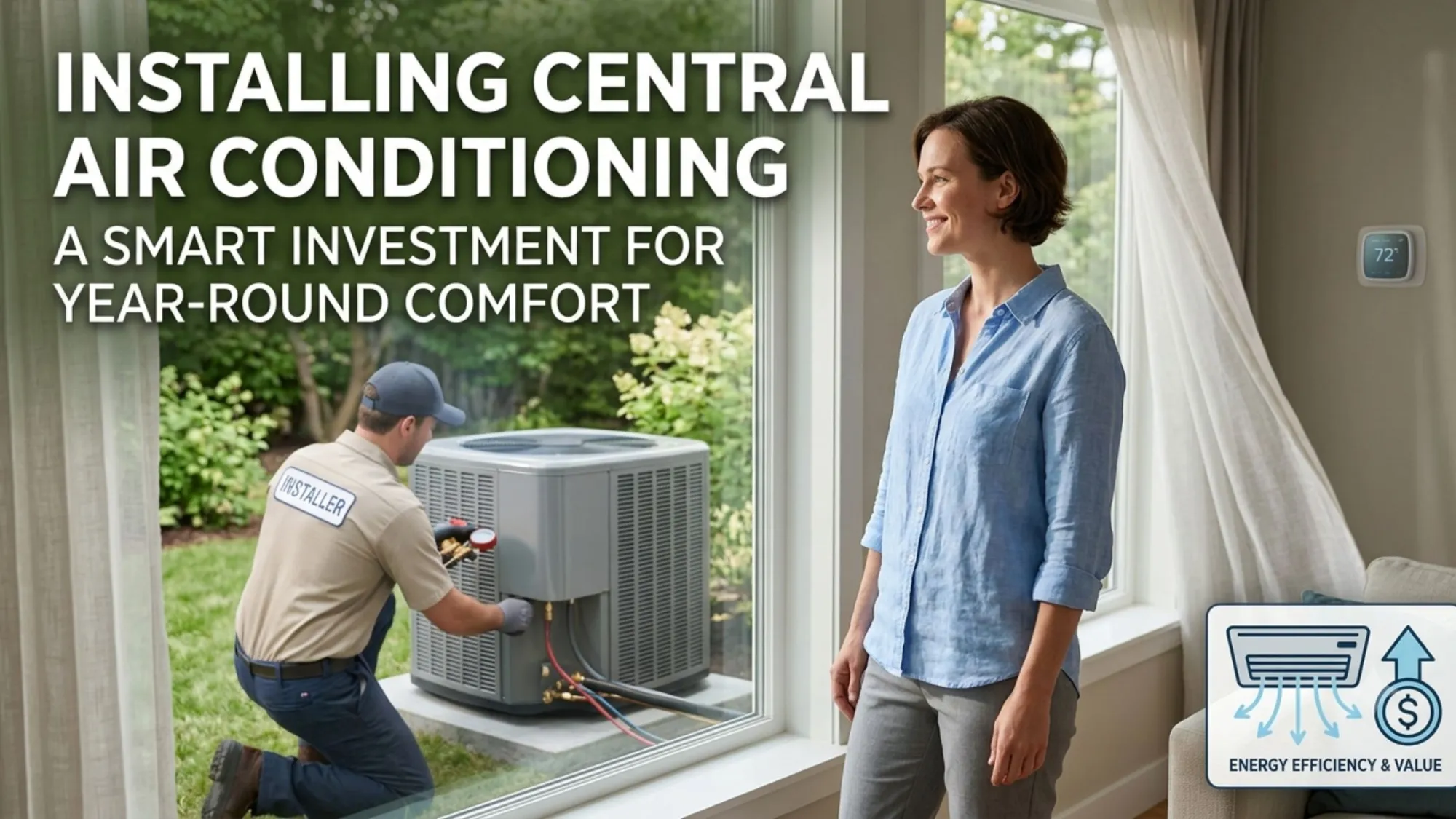
Installation
The new condenser, evaporator coil, refrigerant lines, electrical wiring, and drainage system are installed according to manufacturer specifications.
System Testing
Before completion, technicians verify refrigerant pressure, airflow, thermostat operation, electrical safety, and cooling performance.
A careful installation significantly reduces future service calls.
Preventive Maintenance Saves Money
Routine maintenance is one of the simplest ways to protect your investment.
Seasonal inspections help identify worn parts before they fail, improve efficiency, and reduce unexpected breakdowns during peak summer heat.
Homeowners should schedule professional maintenance at least once each year, preferably in spring before temperatures rise.
Basic maintenance includes:
- Cleaning condenser coils
- Replacing air filters
- Inspecting refrigerant levels
- Testing electrical components
- Lubricating moving parts
- Cleaning drain lines
- Checking thermostat accuracy
Small maintenance tasks often prevent major repairs later.
Choosing the Right HVAC Contractor
Not all HVAC companies provide the same level of service.
Before hiring a contractor for air conditioning installation and repair, look for:
- Proper licensing and insurance
- Certified HVAC technicians
- Positive customer reviews
- Transparent pricing
- Written estimates
- Manufacturer certifications
- Warranty coverage on labor and equipment
Avoid companies that provide quotes without inspecting your home or recommend replacement without diagnosing the existing system.
Energy Efficiency Tips for Summer
Along with professional maintenance, homeowners can improve cooling efficiency by adopting a few simple habits:
- Replace air filters every 1–3 months.
- Keep outdoor condenser units free of leaves and debris.
- Seal air leaks around doors and windows.
- Use programmable or smart thermostats.
- Keep vents open and unobstructed.
- Schedule annual HVAC inspections.
- Use ceiling fans to improve air circulation.
These practices reduce strain on the system while lowering monthly energy costs.
The Long-Term Value of Professional Air Conditioning Services
Many HVAC problems start small. A loose electrical connection, dirty evaporator coil, or minor refrigerant leak may seem insignificant at first but can eventually lead to compressor failure—the most expensive AC repair homeowners face.
Professional air conditioning installation and repair services help prevent these issues before they escalate. Beyond restoring comfort, expert service improves efficiency, extends equipment life, and protects the investment you've made in your home's cooling system.
Final Thoughts
Preparing your air conditioner before summer isn't just about staying comfortable—it's about avoiding costly repairs, reducing energy bills, and ensuring reliable performance when temperatures peak.
Whether your system needs a simple repair or you're considering a complete replacement, investing in professional air conditioning installation and repair delivers long-term value. A properly installed, well-maintained air conditioning system provides dependable cooling, improved indoor air quality, and peace of mind throughout the hottest months of the year.





























Sign in to leave a comment.