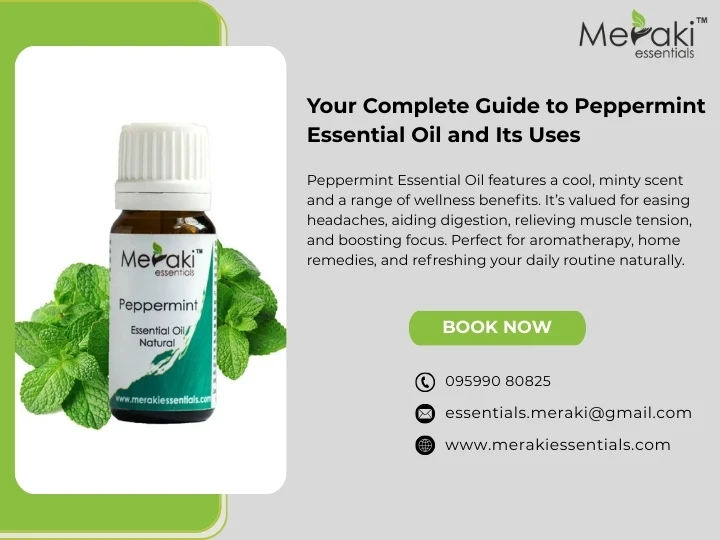

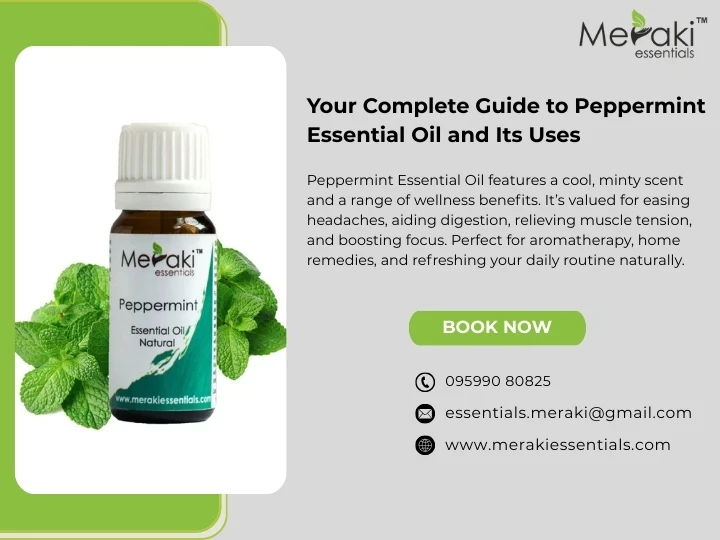
Peppermint essential oil has earned a place as a staple in many natural wellness routines due to its versatile uses and invigorating properties. Known for its crisp, minty aroma and cooling sensation, this oil offers a wide range of benefits—from easing headaches to freshening the air in your home. In this complete guide, we’ll explore what makes peppermint oil so special, how to use it safely, and why it should be a part of your daily routine.
What is Peppermint Essential Oil?
Peppermint essential oil is extracted from the leaves of the peppermint plant (Mentha × piperita), a hybrid of watermint and spearmint. This oil is typically obtained through steam distillation, preserving its rich concentration of menthol and menthone—two compounds responsible for its therapeutic effects and refreshing scent.
Its strong, penetrating aroma makes it a popular choice in aromatherapy, skincare, and home remedies. Whether you're looking to relieve muscle tension or boost focus, peppermint essential oil delivers potent results.
Benefits of Peppermint Essential Oil
1. Natural Relief for Headaches and Migraines
The cooling sensation of peppermint oil helps relax muscles and reduce tension. When diluted and applied to the temples or forehead, it may provide quick relief from headaches. Inhalation of the scent can also ease migraine symptoms, especially when combined with rest in a quiet, dark room.
2. Eases Respiratory Congestion
Menthol, a key component in peppermint oil, acts as a natural decongestant. It can help clear blocked sinuses, reduce inflammation in the respiratory tract, and soothe symptoms of cold and flu. Add a few drops to a bowl of steaming water or a diffuser to experience clearer breathing.
3. Supports Digestive Health
Traditionally, peppermint has been used to relieve symptoms of indigestion, bloating, and gas. While peppermint tea is a common go-to, the essential oil (when properly diluted) can also be used topically on the abdomen or inhaled to calm an upset stomach.
4. Boosts Energy and Focus
Feeling sluggish or mentally foggy? The sharp aroma of peppermint oil can awaken the senses and enhance concentration. A quick sniff or a drop in a diffuser can help reset your energy levels and improve productivity during the workday.
5. Natural Muscle and Joint Soother
Thanks to its anti-inflammatory and analgesic properties, peppermint oil is often used in massage blends to relieve sore muscles, joint discomfort, or tension after a workout. It also pairs well with other essential oils like eucalyptus and lavender for a more calming effect.
How to Use Peppermint Essential Oil
Aromatherapy
Add 3–5 drops of peppermint oil to a diffuser to purify the air and stimulate the senses. This method is ideal for mental clarity, mood lifting, and respiratory support.
Topical Application
Always dilute peppermint essential oil with a carrier oil such as coconut, almond, or jojoba before applying it to the skin. A general guideline is 1–2 drops of essential oil per teaspoon of carrier oil.
Use diluted peppermint oil for:
- Headache relief (temples, back of the neck)
- Muscle tension (shoulders, back, legs)
- Digestive aid (gently massaged onto the abdomen)
DIY Recipes
Cooling Foot Spray:
Mix 10 drops of peppermint essential oil, ½ cup distilled water, and 1 tablespoon witch hazel in a spray bottle. Shake well and spray on tired feet.
Natural Air Freshener:
Combine 10 drops of peppermint oil with water and a splash of alcohol in a spray bottle to refresh indoor spaces.
Scalp Stimulating Oil:
Add a few drops to your shampoo or dilute with carrier oil and massage into the scalp to invigorate hair follicles.
Safety Tips and Precautions
- Dilution is key: Peppermint oil is potent and can cause irritation if applied directly to the skin.
- Avoid near the eyes and mucous membranes.
- Not suitable for infants or young children.
- Consult your healthcare provider if pregnant, breastfeeding, or on medication.
Best Practices for Storage
To maintain potency, store peppermint essential oil in a dark glass bottle, away from heat and sunlight. Proper storage extends shelf life and preserves the oil's effectiveness.
Choosing High-Quality Peppermint Oil
When selecting an essential oil, purity matters. Look for:
- 100% pure essential oil (no fillers or synthetic fragrances)
- Steam-distilled from peppermint leaves
- Clear labeling with botanical name (Mentha × piperita)
A reputable brand will also provide transparency through third-party testing and GC/MS reports to ensure authenticity.
FAQs About Peppermint Essential Oil
1. Can I ingest peppermint essential oil?
Only food-grade, high-quality peppermint oil should be considered for internal use, and it must be done under the supervision of a qualified healthcare provider. In general, it’s safest to use it aromatically or topically.
2. Is peppermint oil safe during pregnancy?
Pregnant individuals should avoid using peppermint essential oil without first consulting their doctor. It may trigger uterine contractions or nausea in some cases.
3. Can peppermint oil repel insects?
Yes! Peppermint oil acts as a natural insect repellent, especially against ants, spiders, and mosquitoes. Dilute and spray around entry points to keep pests away.
Experience the Power of Nature with Meraki Essentials
Whether you're looking to breathe easier, soothe sore muscles, or sharpen your focus, peppermint essential oil is a time-tested solution that belongs in every wellness kit. At Meraki Essentials, we offer pure, steam-distilled peppermint essential oil crafted with care to ensure maximum benefits.




























Sign in to leave a comment.