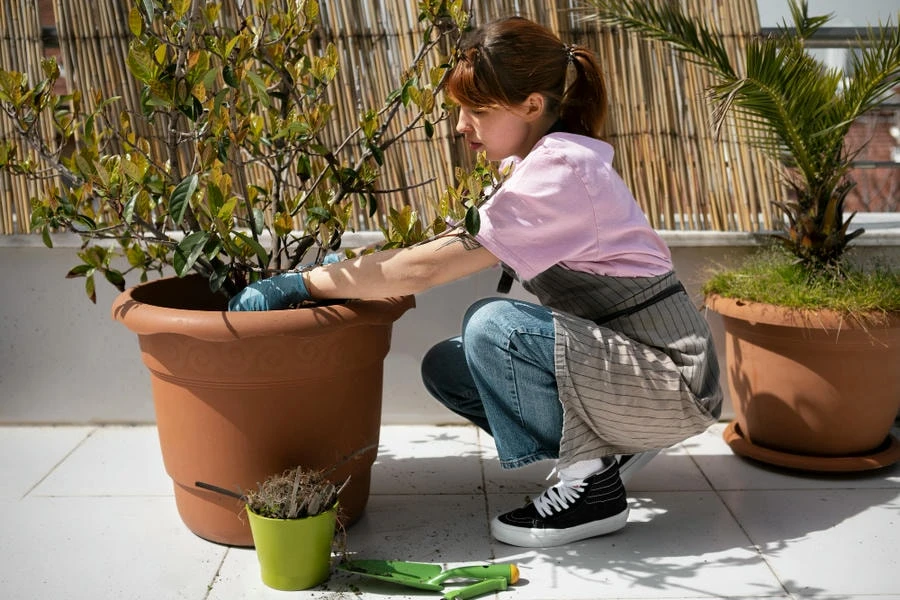

Starting your first garden is an exciting and rewarding endeavor. Whether you have a spacious backyard or a small balcony, gardening offers a great way to connect with nature and enjoy fresh produce or beautiful flowers. As a beginner, it\'s essential to understand the basics to ensure your garden thrives. To help you get started on your gardening journey, here are some vital home gardening tips for beginners.
1. Choose the Right Location
Your garden\'s location has a big impact on its success. The majority of plants need six to eight hours of sunlight per day. Check that the location you\'ve selected receives adequate sunshine throughout the day. Take into account the availability of water as well. Maintaining the hydration of your plants will be simpler with an accessible water source.
2. Test Your Soil
Understanding your soil type is crucial for healthy plant growth. You can purchase a soil testing kit from a garden center or send a sample to a local extension service. Testing your soil will reveal its pH level and nutrient content, helping you determine what amendments might be needed. Most plants prefer soil that is slightly acidic (pH 6-7) above neutral.
3. Start Small
As a beginner, it\'s wise to start with a small garden. This will allow you to manage your garden more effectively and learn the basics without feeling overwhelmed. Choose a few easy-to-grow plants that suit your climate and soil conditions. As you gain experience, you can gradually expand your garden.
4. Plan Your Garden Layout
Planning your garden layout is essential for maximizing space and ensuring healthy plant growth. Combine plants that require the same amount of water, sunlight, and soil. Think about companion planting, in which specific plants enhance each other\'s growth or ward off pests. For instance, growing basil close to tomatoes can both improve flavor and deter insects.
5. Invest in Quality Tools
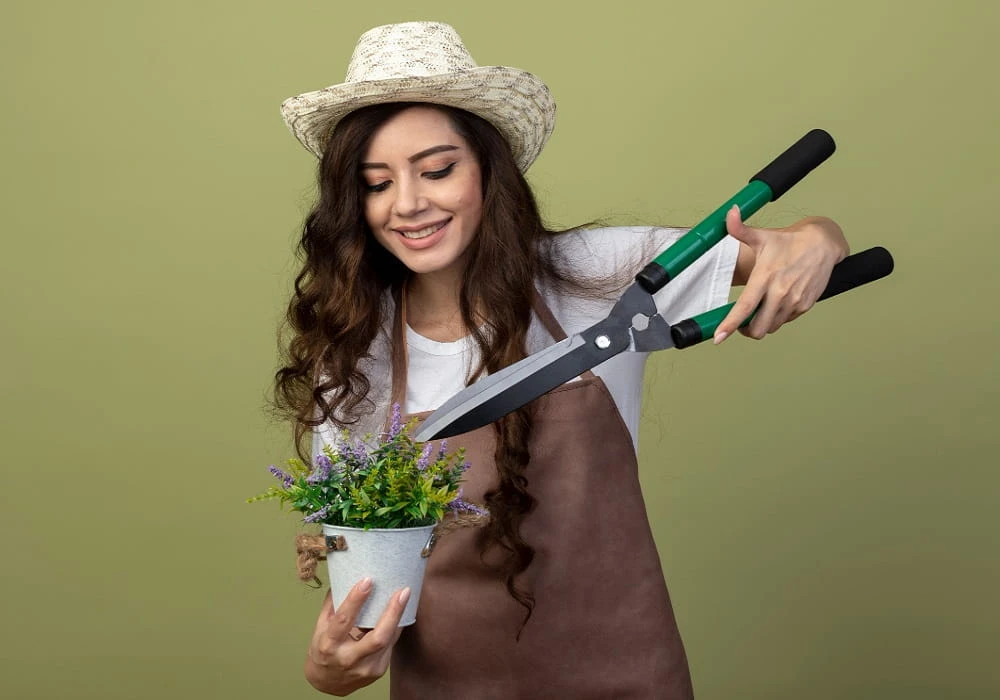
Having the right tools makes gardening more enjoyable and efficient. A trowel, pruners, gloves, a garden fork, and a watering container or hose are examples of basic gardening tools. Invest in well-made, long-lasting, and ergonomic instruments. Proper tools will make tasks like planting, weeding, and pruning easier.
6. Understand Plant Needs
Different plants have different needs. Research the specific requirements of the plants you choose, including their preferred soil type, water needs, and spacing. Overwatering or underwatering can harm your plants, so it\'s important to understand the balance. Generally, it\'s better to water deeply and less frequently to encourage strong root growth.
7. Use Mulch
Mulching is a valuable practice for any garden. It aids in controlling soil temperature, weed suppression, and moisture retention. Organic mulches, such as straw, wood chips, or compost, also add nutrients to the soil as they decompose. Be cautious not to cover the stems of your plants when applying a 2-3 inch layer of mulch around them.
8. Practice Regular Maintenance
Regular maintenance is key to a thriving garden. This includes watering, weeding, pruning, and monitoring for pests and diseases. Check your plants regularly for signs of stress or infestation. Minor problems can avoid becoming serious difficulties by receiving early intervention. Remove weeds promptly to prevent them from competing with your plants for nutrients and water.
9. Learn About Pest Management
Pests can be a significant challenge for gardeners. Learn to identify common garden pests and beneficial insects. Use organic methods to manage pests, such as introducing beneficial insects, using neem oil, or making homemade insecticidal soap. Avoid chemical pesticides, which can harm beneficial insects and disrupt the ecosystem.
10. Keep a Garden Journal
Keeping a garden journal can be incredibly helpful, especially for beginners. Record what you plant, when you plant it, and any observations about growth and health. Note the weather conditions, watering schedule, and any issues you encounter. This information will be valuable for future gardening endeavors, helping you learn from your experiences and improve your gardening skills.
11. Start Composting
Composting is a great way to recycle kitchen scraps and garden waste into nutrient-rich soil. Start a compost pile or bin in your garden and add vegetable peels, coffee grounds, eggshells, grass clippings, and leaves. To expedite the decomposition process, turn the compost frequently. Finished compost can be mixed into your garden soil to improve its fertility and structure.
12. Enjoy the Process
Growing gardens is a journey that calls for perseverance and patience. Enjoy the process and don\'t be discouraged by setbacks. Every gardener experiences challenges, but the rewards of growing your own plants are well worth the effort. Celebrate your successes, learn from your mistakes, and continue to nurture your garden.
Conclusion
Starting your first garden can be a fulfilling and enjoyable experience. You\'ll position yourself for success if you start small, know your soil, and pick the ideal spot. Plan your garden layout, invest in quality tools, and learn about plant needs to ensure healthy growth. Regular maintenance, pest management, and composting will keep your garden thriving. Most importantly, enjoy the journey and the connection with nature that gardening provides. Happy gardening!



























Sign in to leave a comment.