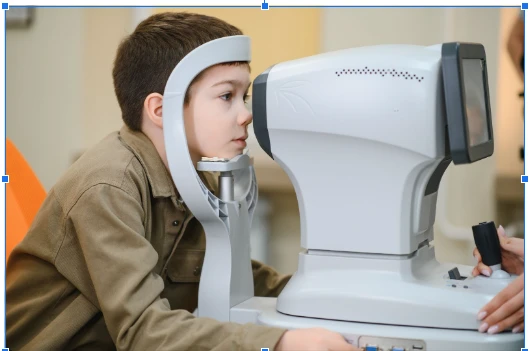

You’ve probably heard someone mention a “lazy eye” before. The medical name for it is amblyopia, and it’s actually pretty common, especially among kids. It happens when one eye doesn’t develop as well as the other, and over time, the brain starts relying more on the stronger eye. The thing is, it usually creeps in so slowly that most parents or even adults don’t catch it right away. That’s why seeing a doctor early at the best eye clinic in Dubai really matters.
In this guide, we’ll break things down in plain language: what amblyopia is, what causes it, how it impacts vision, and what steps can be taken to treat it. This is the same way we talk with families every day at Ebsaar Eye Surgery Center clear, honest, and easy to follow.
What Exactly Is Amblyopia?
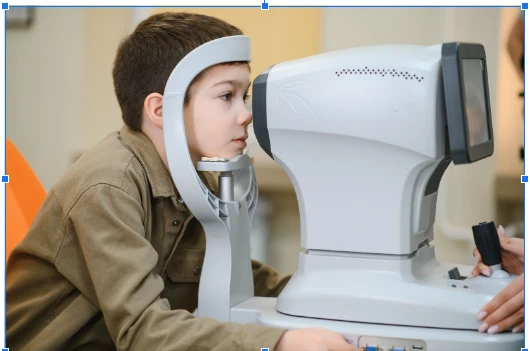
Amblyopia is when one eye doesn’t quite pull its weight. Even with glasses, that eye still doesn’t see clearly because the brain kind of gives up on it and lets the other eye do all the work. Over time, that eye becomes weaker simply because it’s not being used.
We’ve seen that many parents don’t realize there’s even a problem until a school vision test or a pediatrician points it out. That’s totally normal and also why routine checkups at a trusted clinic matter so much.
What Causes It?
There’s no one-size-fits-all answer. Amblyopia can happen because of:
- Strabismus – when the eyes are misaligned and don’t point in the same direction
- Different prescriptions in each eye – if one eye is way blurrier than the other, the brain starts favoring the clearer one
- A physical blockage – things like cataracts can block vision in one eye, especially early in life
The important thing is not to panic. Most of the time, if you catch it early, it can be treated successfully, especially with the help of the Dubai best eye clinic.
What Happens If You Don’t Treat Amblyopia?
Well, let’s be real, it doesn’t just fix itself. If nothing is done, the weaker eye will likely stay weak. The brain will keep ignoring it, and that could lead to:
- Lifelong blurry or reduced vision in that eye
- Trouble with depth perception (like pouring a drink or parking a car)
- Higher risk of losing good vision if something ever happens to the stronger eye
We’ve seen cases where kids grew up thinking it was just normal to have one “bad” eye. The truth is, if treatment starts young, that eye often bounces back really well.
What Are the Long-Term Effects?
If amblyopia isn’t addressed early, the weaker eye won’t catch up, and that can lead to vision loss that sticks around for life. It might not seem like a big deal when someone’s young, but as they grow older, it can affect everything from sports to driving to even job choices.
Imagine trying to play basketball or judge distance with one eye doing all the work. Or applying for a job that requires strong vision in both eyes, like flying a plane or working in law enforcement. That’s why regular eye checks and early treatment really matter.
Is Amblyopia Considered a Disability?
In some situations, yes. If the vision loss is significant and it affects someone’s ability to function or work, amblyopia can be classified as a visual disability. But it really depends on the severity.
That said, with proper care from the beginning, many kids grow up without ever being held back by their vision. And a lot of that comes down to finding the right support system, like what we offer at Ebsaar Eye Surgery Center.
Is It Just a Kids’ Issue?
It usually shows up in childhood, but no, amblyopia isn’t only for kids. Some adults live with it without even knowing the name for it. They’ve just gotten used to one eye doing all the work.
Now, treating it in adulthood isn’t as easy, since the brain isn’t as flexible as it was during childhood, but that doesn’t mean there’s no hope. Some adults still respond to treatment, especially when guided by experts at the best eye clinic near me.
What Treatment Looks Like
The goal is to get both eyes working together again and there are a few ways to go about that:
- Corrective lenses to fix focusing issues
- Patching the stronger eye for a few hours a day, so the weaker one has to step up
- Eye drops that blur the stronger eye as a gentler alternative to patches
- Vision therapy with fun exercises and games that train the brain to use both eyes
The younger the patient, the better the results. But even older kids or adults can see progress when the treatment is consistent.
How Do You Know If Someone Has Amblyopia?
Here’s the tough part: it’s not always obvious. Kids rarely complain, because they don’t know what “normal” vision feels like. Some signs to watch out for:
- They shut one eye while focusing
- Their eyes don’t seem to move together
- They tilt their head a lot
- Their reading or schoolwork seems harder than it should be
If any of this sounds familiar, don’t wait. Book a checkup. The earlier you know, the sooner you can do something about it.
Final Word
Amblyopia might sound like a scary word, but it’s manageable and even fixable when you catch it early and get the right help. Whether it’s your child or you, don’t brush off those little signs. Vision matters more than we often realize, and getting ahead of a problem like this can change the future.
Your Guide to Amblyopia from the Best Eye Clinic in Dubai is here to remind you: it’s never too early, and it’s never too late to get your eyes checked. Trust the experience, compassion, and innovation at Ebsaar Eye Surgery Center, where your vision is always in good hands.
Ready to take action? Give us a call or drop by for a consultation. Your eyes deserve nothing less.


























Sign in to leave a comment.