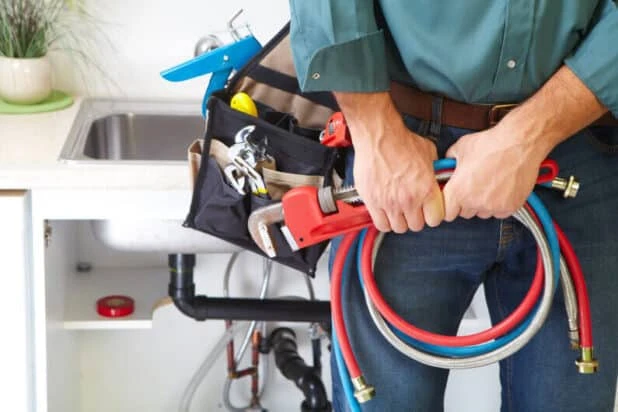
Plumbing may not always be the first thing people think about when maintaining a home, but it is one of the aspects that can have the biggest impact on day-to-day comfort, household safety, and long-term property value. Whether you live in a traditional Queenslander, a modern townhouse, or an apartment in the inner suburbs, understanding how plumbing systems work—and how to look after them—is essential.
This guide explores everything homeowners need to know about Plumbing Maintenance and Installation in Brisbane, including common issues, climate-related challenges, installation considerations, safety factors, and practical tips for keeping systems running smoothly. The goal is to empower readers with knowledge so they can make informed decisions, prevent avoidable issues, and maintain a safe and efficient household.
Why Plumbing Maintenance Matters More in Brisbane
Brisbane’s unique climate and building trends create specific conditions that influence plumbing performance. Warm temperatures, high humidity, and periodic heavy rainfall events all affect pipes, fixtures, and water systems in ways homeowners often overlook.
1. Brisbane’s Subtropical Climate
With hot summers, sudden storms, and periods of drought, plumbing systems in the region face a series of environmental pressures. Metal pipes, for example, may corrode faster in moisture-heavy settings, while plastic pipes can expand and contract more dramatically in heat.
2. Older vs Modern Housing Stock
Many Brisbane suburbs still feature older homes with ageing pipes and outdated sewer connections. Newer homes, especially those built in the last decade, often incorporate more efficient systems but may suffer installation shortcuts or lack regular maintenance.
3. Soil Movement
Soils around Brisbane, particularly clay-based areas, can expand during wet seasons and contract during dry ones. This movement sometimes causes underground pipes to shift or crack.
Because of these factors, Plumbing Maintenance and Installation in Brisbane requires an approach that considers climate, materials, and shifting environmental conditions—not just general repair techniques.
Understanding Essential Plumbing Components in Brisbane Homes
To appreciate how maintenance and installation work, it helps to know the main parts of a household plumbing system and how they relate to Brisbane’s environment.
1. Water Supply System
This system brings clean water into the home through mains or tanks. In Brisbane, some properties rely heavily on rainwater tanks, especially in rural or semi-rural suburbs. Tank plumbing involves pumps, filtration, and specific installation requirements.
2. Drainage System
Drainage removes wastewater from bathrooms, kitchens, and laundries. Blockages, cracks, and tree-root intrusion are common concerns throughout Brisbane, particularly in areas with older clay pipes.
3. Hot Water System
Electric, gas, solar, and heat-pump systems are common. Just like any appliance, they require regular checks to ensure safety, performance, and water quality.
4. Stormwater System
Given Brisbane’s tendency for sudden heavy rain, a healthy stormwater system is critical. Downpipes, gutters, and stormwater drains must keep water away from foundations to prevent flooding or structural damage.
Understanding these components helps homeowners make sense of why Plumbing Maintenance and Installation in Brisbane requires ongoing attention and informed decision-making.
Common Plumbing Problems Seen in Brisbane Homes
While plumbing issues happen everywhere, certain problems appear more frequently in Brisbane due to climate patterns and infrastructure age.
1. Blocked Drains
Tree roots—particularly from poinciana, fig, and paperbark trees—are a major cause of drain blockages in the region. Heavy storms can also wash down debris that clogs outdoor drains.
2. Leaking Taps and Fixtures
Wear and tear increases in high-use households, but Brisbane’s water quality and hardness levels can also contribute to internal washer damage.
3. Hot Water Failures
Aging hot water systems, sediment buildup, and electrical issues are common, especially in older suburbs.
4. Pipe Corrosion
Humidity and rain exposure can accelerate rust and deterioration in homes with older galvanised steel or copper pipes.
5. Toilet Issues
Running toilets, weak flushing, or leaks around the base often occur when seals fail or when internal components degrade over time.
6. Stormwater Overflow
Blocked gutters and insufficient drainage layout can cause flooding during unpredictable rain events.
Recognising these patterns helps Brisbane homeowners understand the importance of adopting a proactive approach to Plumbing Maintenance and Installation in Brisbane.
Preventative Plumbing Maintenance for Brisbane Homes
Preventative maintenance is one of the most effective ways to avoid costly repairs. A well-maintained plumbing system lasts longer, operates efficiently, and reduces the risk of health hazards.
1. Annual Plumbing Inspections
Scheduling a full inspection each year ensures issues are identified early. This includes checking all taps, fixtures, toilets, drainage, and supply lines.
2. Hot Water System Servicing
Most systems benefit from servicing every one to three years. Sediment flushing and component testing help extend lifespan and maintain consistent temperatures.
3. Gutter and Downpipe Cleaning
Given Brisbane's storms, clearing gutters and downpipes before and after the wet season is essential to prevent overflow and structural damage.
4. Checking for Leaks
Small leaks quickly become major issues. Regularly inspecting around sinks, toilets, water heaters, and household appliances prevents unnecessary water loss and mould growth.
5. Maintaining Outdoor Pipes
Tree-root control, soil monitoring, and garden planning can help protect underground pipes from pressure and invasion.
6. Water Pressure Monitoring
High pressure can damage pipes and fixtures. Monitoring pressure ensures safe levels and reduces long-term wear.
By following consistent maintenance routines, homeowners can protect their property and reduce the likelihood of emergency repairs, making Plumbing Maintenance and Installation in Brisbane more predictable and manageable.
Installation Considerations for Plumbing Systems in Brisbane
Installation plays a major role in how well plumbing performs over time. A well-installed system requires fewer repairs, operates more efficiently, and stands up better to environmental changes.
1. Choosing the Right Materials
PVC and PEX pipes are popular in Brisbane because they resist corrosion and temperature fluctuations. Stainless steel flexi-hoses are convenient but should be checked regularly for wear.
2. Hot Water System Placement
Location matters for both safety and efficiency. Outdoor installations must consider weather exposure, while indoor systems require adequate ventilation and spacing.
3. Rainwater Tank Integration
Tank systems need proper filtration, backflow prevention, and pump installation. Poor installation increases contamination risks and reduces water quality.
4. Stormwater Planning
Good installation ensures water flows away from the home, not toward it. Many flooding issues begin with incorrectly installed stormwater systems.
5. Appliance Installation
Dishwashers, washing machines, water filters, and fridges with water dispensers require precise connections to avoid leaks and prevent unnecessary strain on supply lines.
Considering these factors helps ensure that Plumbing Maintenance and Installation in Brisbane supports long-term home safety and reliability.
How Weather and Climate Events Affect Plumbing Installation
Brisbane experiences unpredictable weather, including heatwaves, storms, and prolonged rains. Each of these can place strain on plumbing systems.
Heatwaves
High temperatures increase pressure in pipes, especially older ones. Plastic pipes may warp if improperly installed or exposed to direct heat.
Storms
Blocked stormwater drains and high roof runoff can easily overwhelm a household system if not designed correctly.
Humidity
Moisture encourages corrosion and mould growth around pipes, particularly in bathrooms and kitchens.
A well-planned installation helps households adapt to these climate challenges.
Sustainability and Water Efficiency in Brisbane Homes
Brisbane residents are increasingly focused on reducing water use and improving sustainability. Smarter plumbing choices make a meaningful difference.
Water-Saving Fixtures
Low-flow taps, dual-flush toilets, and efficient showerheads help conserve water without compromising comfort.
Greywater Systems
These systems repurpose water from showers and basins for garden use. Proper installation and filtration are crucial for safety.
Smart Water Monitoring
New technologies can detect leaks, track household water usage, and identify unusual patterns early.
Efficient Hot Water Systems
Solar and heat-pump systems, when installed correctly, reduce energy consumption and long-term operation costs.
Including sustainable practices alongside traditional maintenance helps strengthen the effectiveness of Plumbing Maintenance and Installation in Brisbane for modern households.
How to Identify Early Signs of Plumbing Problems
Early detection can prevent structural damage and costly repairs. Brisbane homeowners should remain alert to:
- Slow draining sinks and showers
- Gurgling noises from pipes
- Unexplained spikes in water bills
- Damp patches on walls, floors, or ceilings
- Low water pressure
- Discoloured tap water
- Smells coming from drains
- Hot water running out faster than usual
Responding promptly to these warning signs reduces risks and maintains system performance.
Installation Mistakes Often Seen in Brisbane Homes
Even well-designed properties sometimes suffer because of improper plumbing installation. Common mistakes include:
Incorrect Pipe Sizing
Undersized pipes lead to poor water flow, while oversized pipes waste material and increase installation costs.
Poor Ventilation of Drainage Systems
Without proper venting, water drains sluggishly and foul odours may develop.
Improper Hot Water Positioning
Incorrect placement increases energy consumption and shortens appliance life.
Lack of Backflow Prevention
This is critical for homes using rainwater tanks or located in flood-prone areas.
Weak Stormwater Setups
Improper slope, undersized drains, or poor connections often lead to flooding during summer storms.
Avoiding these common issues ensures the long-term success of Plumbing Maintenance and Installation in Brisbane.
Seasonal Plumbing Checklist for Brisbane Homeowners
Before Summer
- Check gutters and downpipes
- Inspect garden drains
- Test outdoor taps for leaks
- Clean air-conditioner drain lines
During Storm Season
- Keep stormwater drains clear
- Watch for pooling water around foundations
- Inspect roof and eaves regularly
Before Winter
- Service hot water systems
- Check insulation on outdoor pipes
- Test water pressure
All Year Round
- Monitor for leaks
- Clean drains regularly
- Conduct routine inspections
Seasonal maintenance makes major plumbing problems far less likely.
When Should Brisbane Homeowners Replace Plumbing Components?
Every plumbing system has a lifespan. Knowing when to replace certain parts helps prevent unexpected breakdowns.
Pipes
- PVC: 25–40 years
- Copper: 50+ years
- Galvanised steel: often overdue for replacement
Hot Water Systems
Most last 8–15 years depending on type and maintenance.
Taps and Mixers
Internal components often wear out within 5–10 years.
Toilets
Modern systems last decades but seals and valves may require periodic replacement.
Replacing components before failure ensures fewer disruptions and improves home safety.
Future Trends in Plumbing for Brisbane Properties
Technology and environmental demands continue shaping how plumbing systems are designed and maintained.
Smart Leak Detection
Wi-Fi-connected sensors help households react quickly to hidden leaks.
Water Quality Monitoring
Digital testers provide real-time data on contaminants and mineral levels.
Eco-Focused Installations
Sustainable materials and green plumbing design will become increasingly common.
Energy-Efficient Hot Water Solutions
High-efficiency heat pumps and hybrid systems are gaining popularity.
These trends highlight how the landscape of Plumbing Maintenance and Installation in Brisbane continues to evolve.
Final Thoughts
Plumbing is one of the most important systems in any Brisbane home, yet it often receives attention only when something goes wrong. By understanding common issues, recognising climate-related challenges, and prioritising proper installation, homeowners can reduce risks and maintain safer, more efficient living spaces.
This guide provides a comprehensive overview of Plumbing Maintenance and Installation in Brisbane, offering practical, understandable information that empowers households to protect their property and plan effectively for long-term needs.



























Sign in to leave a comment.