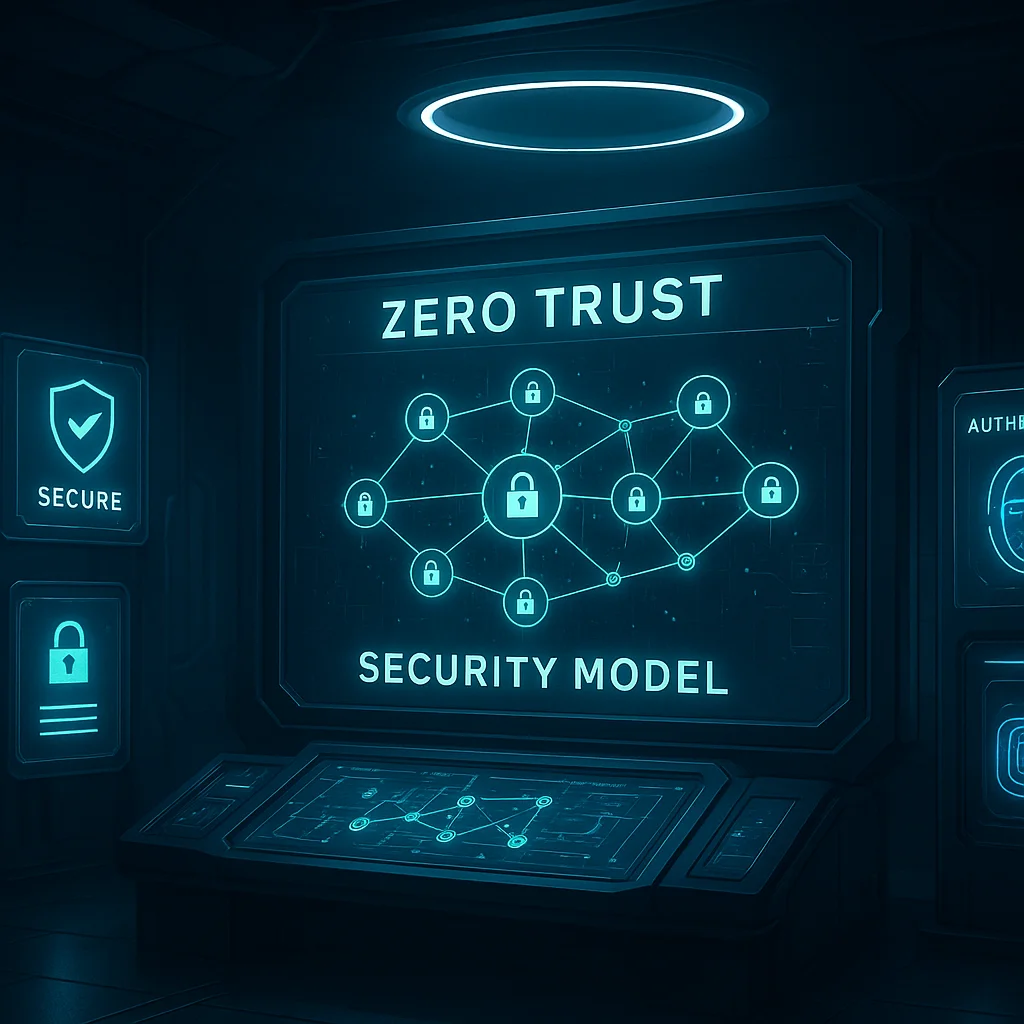

Introduction to Zero Trust Security
The concept of security has evolved dramatically over the past decade, especially as organizations increasingly rely on cloud computing, remote workforces, and digital transformation initiatives. Traditional perimeter-based security models, which rely heavily on securing the network boundary, are no longer sufficient to address the sophisticated cyber threats of today. This has given rise to the Zero Trust Security Model, a paradigm shift in cybersecurity that fundamentally changes how organizations protect their assets. Zero Trust operates on the principle of "never trust, always verify," assuming that threats can originate both outside and inside the network.
In this comprehensive guide, we will delve into the Zero Trust Security Model, its core principles, architecture, benefits, challenges, and how organizations can implement it effectively in 2026. We will also explore related developments such as AI-driven zero trust and regional adoption trends, with references to trusted sources and related articles for further study.
Understanding the Fundamentals of Zero Trust
Zero Trust is a security framework that requires all users, whether inside or outside the organization’s network, to be authenticated, authorized, and continuously validated before being granted or keeping access to applications and data. Unlike traditional security models that trust users within the network by default, Zero Trust assumes no implicit trust.
The fundamental principles of Zero Trust include:
- Verify Explicitly: Always authenticate and authorize based on all available data points, including user identity, location, device health, and the sensitivity of the data or resource.
- Least Privilege Access: Limit user access with just-in-time and just-enough-access (JIT/JEA), reducing the attack surface and minimizing lateral movement.
- Assume Breach: Design security architecture under the assumption that an attacker is already present in the environment, focusing on containment and minimizing damage.
These principles are implemented through various technologies such as multifactor authentication (MFA), micro-segmentation, endpoint security, identity and access management (IAM), and continuous monitoring.
The Architecture of Zero Trust Security
Zero Trust architecture is not a single product but a combination of technologies and policies working together to ensure stringent access control. Key architectural components include:
- Identity and Access Management (IAM): Central to Zero Trust, IAM ensures accurate identification and authentication of users and devices. Modern IAM systems integrate biometrics, MFA, and behavioral analytics.
- Micro-Segmentation: Network resources are segmented into granular zones, each requiring explicit access permissions, limiting lateral movement of threats.
- Device Security: Devices must meet security compliance standards before gaining access. Endpoint detection and response (EDR) and mobile device management (MDM) tools enforce device health and posture.
- Continuous Monitoring and Analytics: Real-time monitoring of user behavior, network traffic, and system logs to detect anomalies and potential breaches immediately.
- Policy Enforcement Points: Gateways and controls that enforce access policies dynamically based on real-time context.
Effective Zero Trust architectures integrate these components seamlessly, often leveraging cloud-based security services known as Zero Trust Network Access (ZTNA) or software-defined perimeter (SDP) solutions.
Benefits of Adopting Zero Trust
The Zero Trust model offers compelling advantages for organizations facing increasingly complex cyber threats. Some of the primary benefits include:
- Reduced Risk of Data Breaches: By enforcing strict access controls and continuous verification, Zero Trust reduces the likelihood of unauthorized access and data exfiltration.
- Improved Visibility and Control: Continuous monitoring and detailed analytics provide deeper insights into user activities and potential security gaps.
- Enhanced Regulatory Compliance: Zero Trust helps organizations meet stringent data protection regulations such as GDPR, HIPAA, and CCPA by enforcing strict access and data handling policies.
- Support for Modern Work Environments: Zero Trust is ideal for securing remote workforces, cloud applications, and hybrid IT environments where traditional perimeter defenses are ineffective.
- Limiting Lateral Movement: Micro-segmentation and least privilege principles prevent attackers from moving freely within the network after an initial compromise.
Challenges and Considerations in Implementing Zero Trust
While Zero Trust promises significant security improvements, its implementation is complex and requires careful planning and resources. Common challenges include:
- Complexity and Integration: Integrating Zero Trust with existing legacy systems and disparate security tools can be difficult.
- User Experience: Overly strict policies may hinder productivity if not balanced correctly with user convenience.
- Resource Intensive: Continuous monitoring and data analysis require advanced tools and skilled personnel.
- Change Management: Cultural resistance within organizations may slow adoption, requiring comprehensive training and communication.
Addressing these challenges involves phased implementation approaches, prioritizing critical assets, and leveraging automation and AI technologies.
Zero Trust and Artificial Intelligence: The Future of Security
One of the most exciting developments in Zero Trust security is the integration of Artificial Intelligence (AI) and Machine Learning (ML). AI enhances Zero Trust by automating threat detection, dynamically adjusting access policies, and analyzing vast amounts of security data in real time. This fusion is often referred to as "Zero-Trust AI."
According to a Forbes article on Zero-Trust AI, AI-driven models can continuously assess risk by learning from patterns of behavior and detecting subtle anomalies that humans might miss. This allows organizations to respond faster and more effectively to emerging threats.
Moreover, industry collaborations such as the partnership between Zscaler and OpenAI, highlighted in a SiliconANGLE report, demonstrate how AI accelerates Zero Trust adoption by enabling adaptive access controls and proactive threat hunting. This integration represents the cutting edge of cybersecurity innovation in 2026.
Regional Adoption: Why Companies Need Zero Trust Security Services in India
Globally, Zero Trust adoption is accelerating, with notable regional trends. In India, for example, the rapid digital transformation and increased cyber threats have made Zero Trust a critical security strategy. The article Why Companies Need Zero Trust Security Service in India explores how Indian enterprises are embracing Zero Trust to protect sensitive data amid regulatory demands and a growing remote workforce.
India's unique cybersecurity landscape, characterized by a mix of legacy infrastructure and cutting-edge digital services, presents challenges that Zero Trust can address effectively. The demand for local expertise and Zero Trust service providers is growing, making it a vibrant market for cybersecurity innovation.
Implementing Zero Trust: Best Practices
Successful Zero Trust implementation requires a strategic approach. Here are key best practices:
- Assess Your Current Security Posture: Conduct thorough audits to identify critical assets, existing vulnerabilities, and access patterns.
- Define a Clear Zero Trust Strategy: Establish objectives, scope, and measurable outcomes aligned with business goals.
- Prioritize High-Risk Areas: Focus on protecting sensitive data and critical applications first.
- Invest in Identity and Access Management: Deploy robust IAM solutions with MFA and adaptive authentication.
- Leverage Micro-Segmentation: Break down the network into secure zones with tailored access controls.
- Implement Continuous Monitoring: Use AI-powered analytics to detect and respond to anomalies promptly.
- Train and Engage Employees: Foster a security-aware culture to reduce human error risks.
- Partner with Experienced Vendors: Work with trusted security providers to ensure smooth integration and support.
For organizations interested in technical deep dives and live security updates, exploring related topics such as Linux Kernel Live Patching: Zero-Downtime Security Explained can provide insights into complementary security practices that enhance system resilience.
Case Studies and Real-World Applications
Many leading organizations have successfully deployed Zero Trust frameworks to strengthen their cybersecurity. For instance, a multinational financial services company reduced its attack surface by implementing micro-segmentation and continuous user validation, resulting in a 60% decrease in security incidents within the first year.
Another example is a healthcare provider that adopted Zero Trust to comply with HIPAA regulations while enabling secure telehealth services. By integrating AI-based threat detection, they improved incident response times by 40%, enhancing patient data protection.
These examples underscore Zero Trust’s practical benefits and adaptability across industries.
The Future Outlook of Zero Trust Security
As cyber threats continue evolving, Zero Trust will remain a cornerstone of cybersecurity strategies worldwide. The increasing adoption of cloud-native environments, Internet of Things (IoT) devices, and AI-driven automation will further shape Zero Trust implementations.
Emerging trends to watch include:
- AI-Enhanced Zero Trust: Greater use of AI to automate policy enforcement and threat hunting.
- Integration with DevSecOps: Embedding Zero Trust principles into the software development lifecycle for secure application deployment.
- Global Standardization: Development of industry-wide frameworks and best practices to streamline Zero Trust adoption.
- Privacy-Preserving Technologies: Incorporation of privacy-enhancing cryptographic techniques to protect sensitive information.
Organizations that embrace these trends and maintain a proactive security posture will be better positioned to mitigate risks and protect their digital assets.
Conclusion
The Zero Trust Security Model represents a transformative approach to cybersecurity, essential for organizations navigating the complex threat landscape of 2026 and beyond. By fundamentally changing the way access is granted and continuously verifying trust, Zero Trust minimizes vulnerabilities and strengthens defenses.
While implementation poses challenges, the benefits in risk reduction, compliance, and operational resilience are profound. Leveraging AI, adopting regional best practices such as those emerging in India, and integrating complementary security measures like live patching can optimize Zero Trust strategies.
For readers interested in expanding their understanding, we recommend exploring the detailed overview in Zero Trust Security Model Explained: Essentials for 2026 and the regional insights in Why Companies Need Zero Trust Security Service in India. These resources provide valuable perspectives to guide effective Zero Trust adoption.
In an era where cybersecurity is paramount, Zero Trust is not just a model but a strategic necessity that empowers organizations to stay resilient, agile, and secure.



























Sign in to leave a comment.