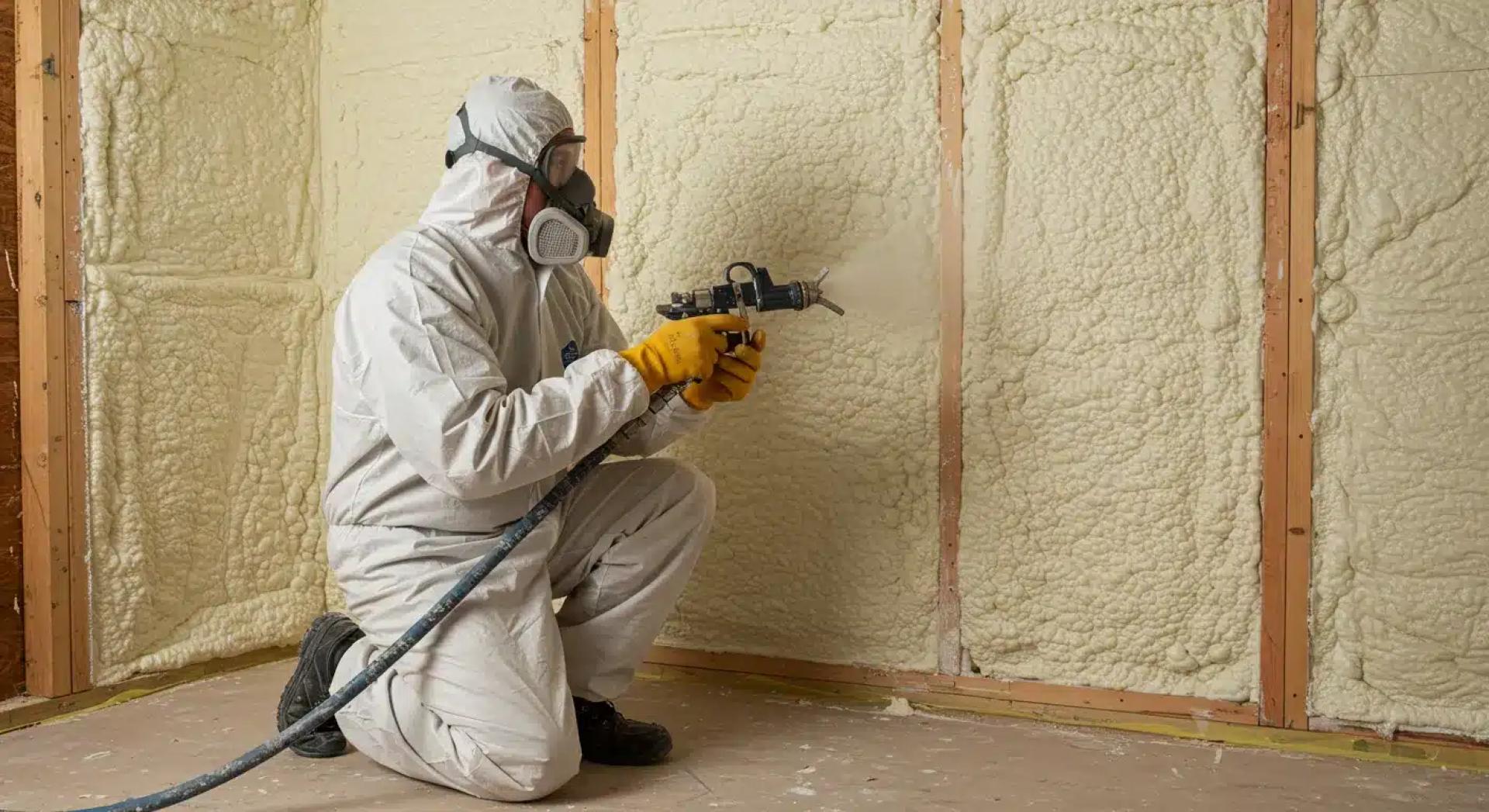

Closed-cell spray foam offers a dense, high-performance insulation solution for commercial properties. Its moisture resistance, structural rigidity, and high R-value make it a versatile choice in many types of buildings—from warehouses and retail centers to restaurants and healthcare facilities. This guide outlines 12 frequent applications and explains why closed-cell spray foam insulation continues to be a reliable choice in commercial construction and retrofits.
Roof Deck Insulation in Flat Roof Systems
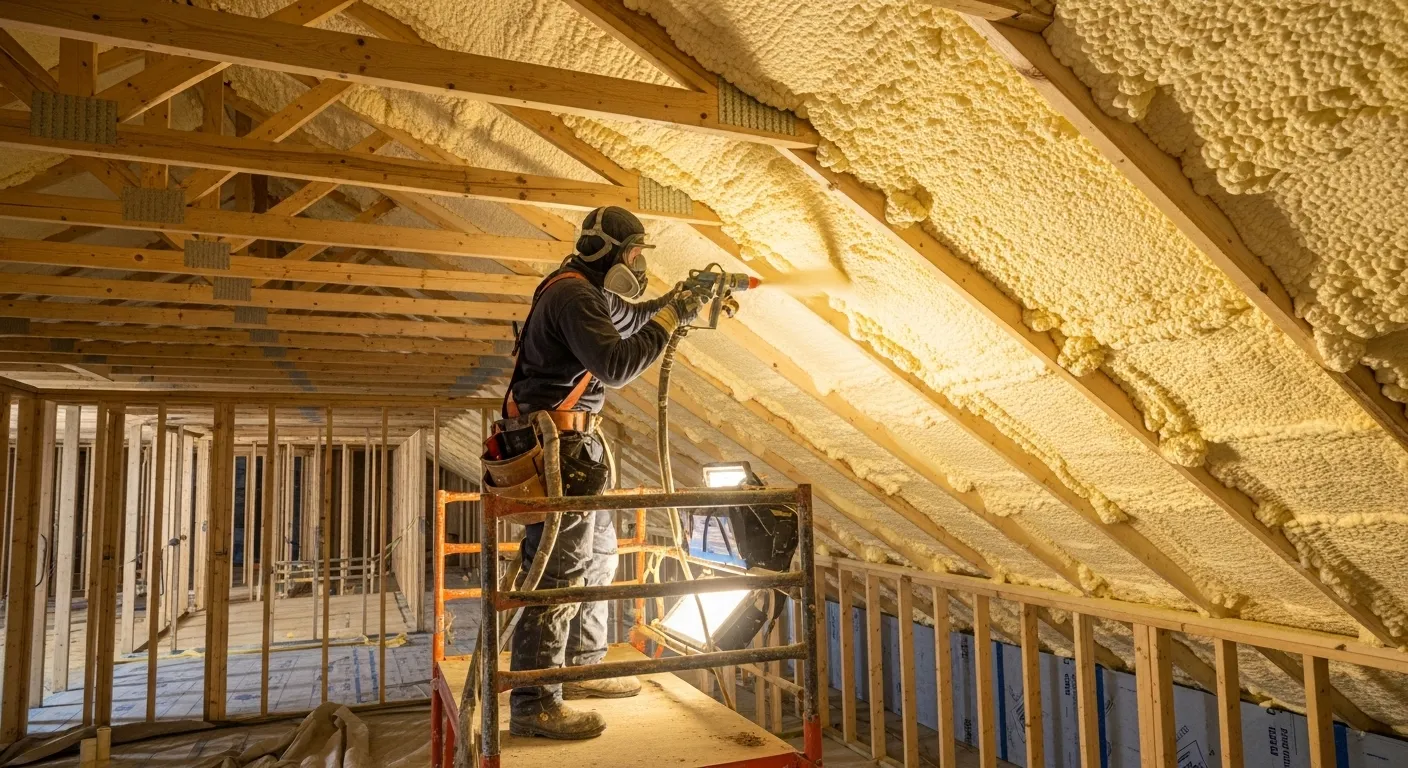
Closed-cell spray foam is often used on the underside of flat commercial roofs to improve thermal resistance and protect against water intrusion.
Supports Building Envelope Control
When applied to roof decks, closed-cell foam creates a seamless air and vapor barrier. It reduces condensation risks in climate-controlled interiors and adds durability to aging roof structures.
Reduces Thermal Bridging in Roof Assemblies
In flat or low-slope roofs with steel or wood framing, foam insulation limits heat transfer through structural materials. This improves long-term energy performance and limits roof-related temperature fluctuations.
Air Barrier in Exterior Wall Cavities
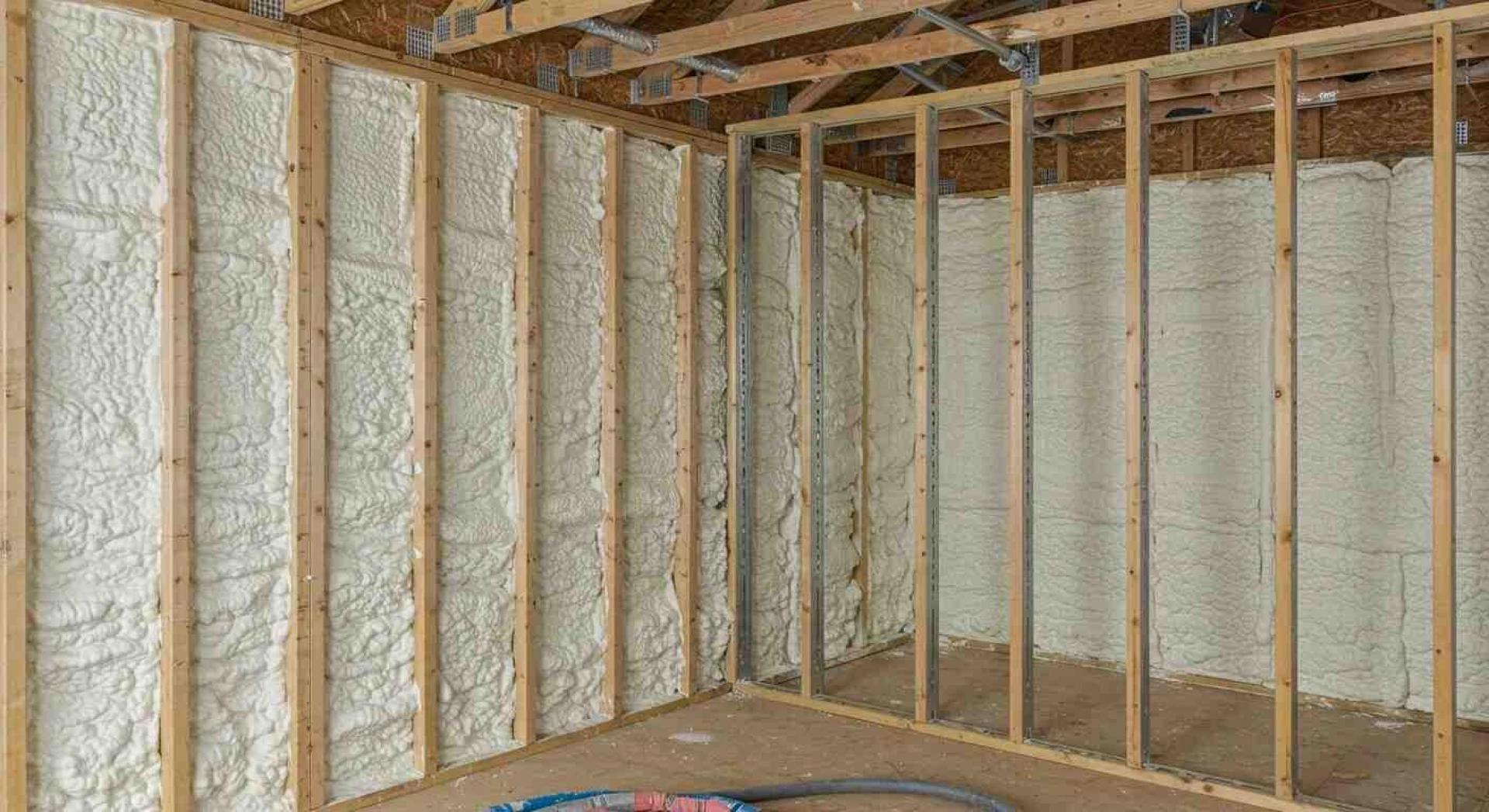
Closed-cell foam serves as a high-performance air and vapor barrier in exterior wall cavities, especially in buildings that experience wide temperature swings.
Prevents Air Infiltration
The dense structure of closed-cell foam stops uncontrolled air movement through sheathing, studs, or insulation seams. This reduces HVAC load and contributes to indoor air quality control.
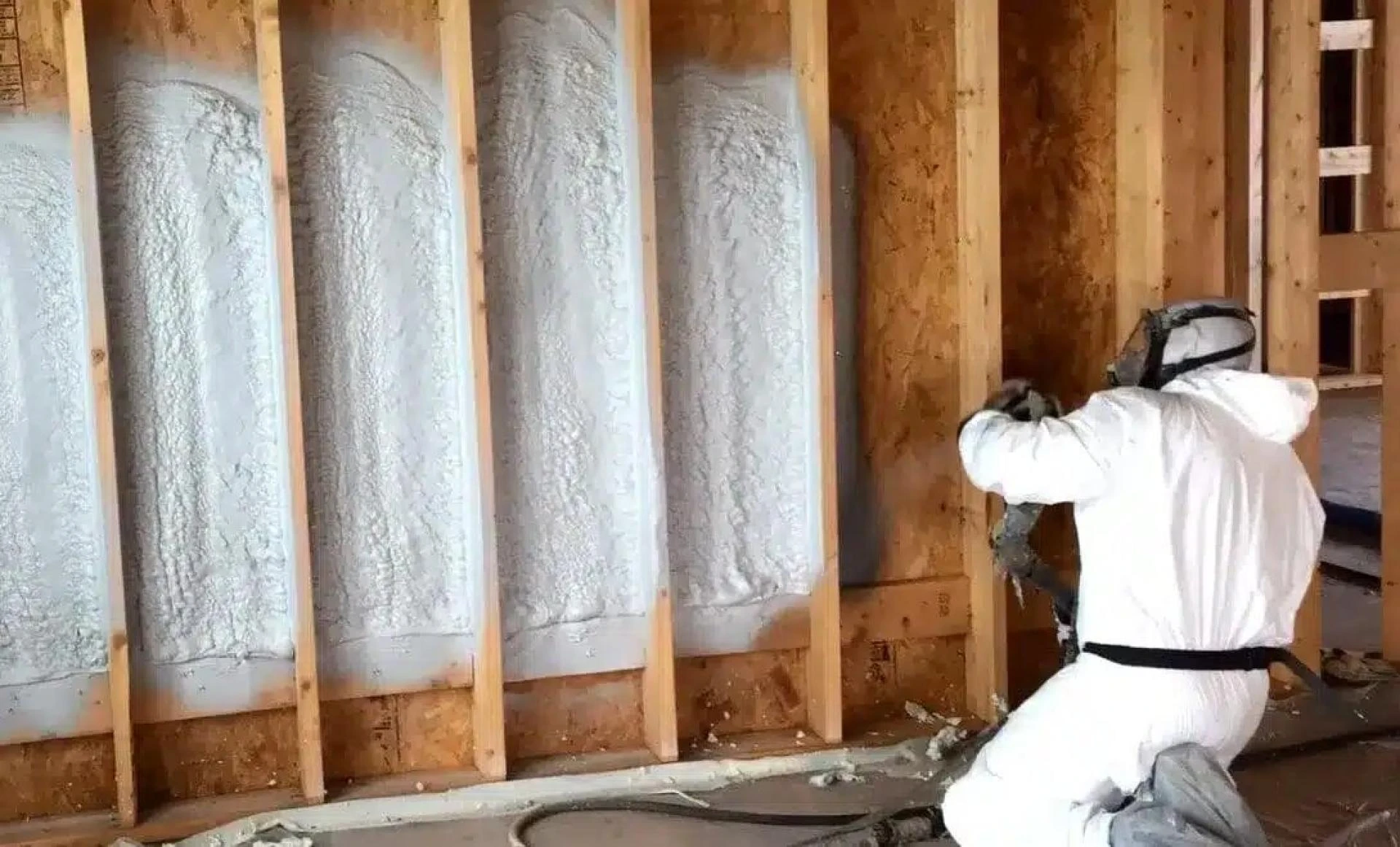
Increases Structural Shear Strength
When applied between metal or wood studs, closed-cell foam can increase racking resistance and help walls meet wind load requirements. This makes it suitable for hurricane-prone or high-wind zones.
Underslab Insulation for Thermal Control
Closed-cell spray foam can be installed beneath concrete slabs to manage temperature swings and reduce upward heat loss.
Moisture Resistance for Slab-on-Grade Applications
Its low permeability makes closed-cell foam a reliable moisture barrier under warehouse floors or data centers where humidity control is critical.
Enhances Floor Temperature Control
For buildings with under-slab radiant heating, closed-cell foam minimizes heat loss to the ground and improves heating system response time.
Insulating Cold Storage and Walk-In Freezers
Closed-cell foam is used in food service, pharmaceutical, and logistics buildings to insulate cold storage spaces.
Prevents Vapor Drive
Cold storage environments demand strong vapor control to stop warm, humid air from penetrating insulated walls. Closed-cell foam maintains thermal boundaries and reduces risk of frost build-up.
Meets R-Value Requirements in Limited Wall Depth
In confined cold storage walls, where space is limited, closed-cell foam offers high R-value per inch, helping achieve code compliance without thick insulation assemblies.
Sound Control in Mechanical Rooms
While open-cell foam is often used for general sound absorption, closed-cell foam adds isolation and air sealing in mechanical rooms and equipment enclosures.
Seals Airborne Noise Pathways
In pump rooms, electrical closets, and rooftop HVAC housings, closed-cell foam seals joints and penetrations that might leak sound or air.
Reduces Vibration Transmission
Its density and rigidity help reduce structure-borne vibrations from large mechanical systems to occupied zones.
Air Sealing in Electrical and Utility Chases
Spraying closed-cell foam in utility chases prevents conditioned air from escaping around conduits, ductwork, and wiring paths.
Controls Inter-Zone Air Leakage
Commercial buildings often have mixed-use zones. Foam helps isolate air movement between retail and storage areas, or between office space and utility shafts.
Protects Penetrations in Fire-Rated Assemblies
Though foam alone doesn’t provide a fire rating, its application within fire-rated assemblies can support code-compliant sealing when used with approved firestop materials.
Insulating Curtain Wall Systems and Steel Frames
Glass-heavy commercial buildings often rely on curtain wall systems. Closed-cell foam improves thermal performance in the supporting frames and parapets.
Minimizes Thermal Transfer at Metal Connections
Steel framing conducts heat efficiently. Spray foam helps break thermal pathways and prevents cold bridging near perimeter beams.
Enhances System Durability
In exposed parapets or steel-anchored curtain wall transitions, closed-cell foam resists water entry and prevents corrosion risk in metal structures.
Crawl Space and Foundation Wall Insulation
For buildings with below-grade crawl spaces or conditioned basements, closed-cell foam provides vapor control and thermal separation from soil.
Prevents Ground Moisture Infiltration
Closed-cell foam blocks soil vapor and external moisture, making it suitable for retrofitting damp foundation walls in older buildings.
Supports Code Compliance in Vented Crawl Spaces
In areas where mechanical systems pass through vented or semi-conditioned crawl spaces, foam helps maintain temperature regulation and system efficiency.
Spray Foam for Roof Recovery Projects
In commercial roof retrofits, spray-applied closed-cell foam is used as part of roof recovery assemblies.
Extends Roof Lifespan
Closed-cell foam can be sprayed directly onto an aging roof surface, then coated with a UV-protective topcoat. This eliminates the need for a full tear-off.
Improves Drainage and Slope
Foam can be applied in varying thicknesses to restore positive drainage on flat roofs that have ponding issues.
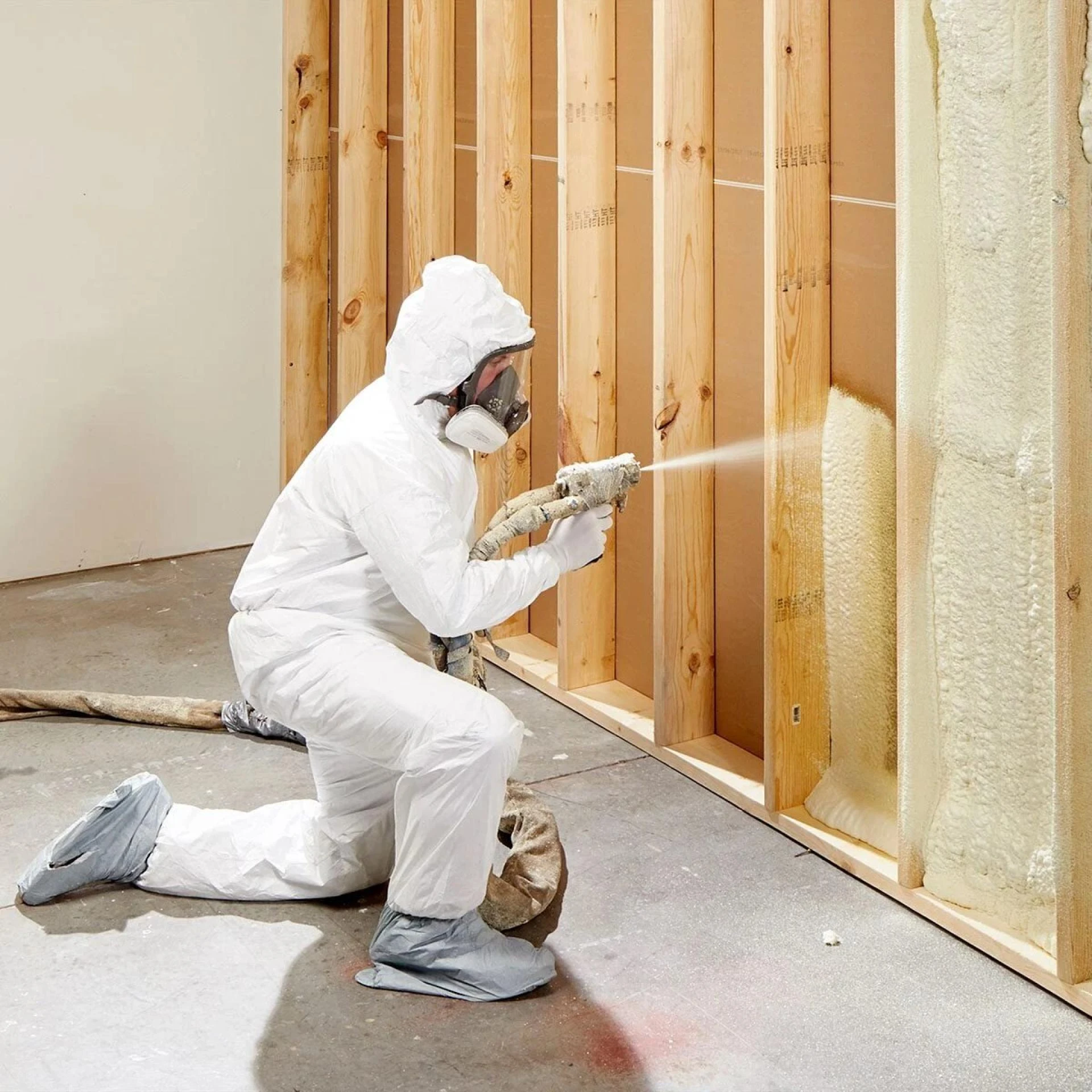
Tank, Duct, and Pipe Insulation in Utility Rooms
Commercial facilities with extensive piping or tank systems benefit from spray-applied foam on hot water, chilled water, or mechanical duct systems.
Reduces Energy Loss
Foam insulation improves system efficiency by maintaining thermal separation between hot or cold fluids and ambient temperatures.
Prevents Condensation in High-Humidity Areas
In humid environments, foam prevents condensation from forming on cold pipe surfaces, reducing maintenance issues and corrosion risk.
Fire Protection Overhead Cavities
Closed-cell foam can act as part of a fire-resistive construction assembly in certain cases, especially overhead in ceiling cavities where air sealing and fire rating intersect.
Meets Code When Used with Fire Coatings
When paired with intumescent coatings or installed behind gypsum layers, spray foam can help maintain fire-resistive barriers in plenum spaces.
Reduces Smoke Migration
Its air barrier properties reduce the spread of smoke between floors or zones in multi-story commercial buildings.
Thermal Break in Refrigerated Doors and Loading Docks
Commercial buildings with refrigerated zones often use spray foam to seal loading docks, walk-in cooler doors, or drive-in freezer thresholds.
Maintains Temperature Integrity
By insulating door frames, thresholds, and gaps in dock plates, closed-cell foam reduces energy transfer between interior cold zones and ambient loading areas.
Prevents Ice Buildup
By limiting warm air intrusion, foam reduces condensation and frost accumulation on critical loading dock components.
Conclusion
Closed-cell spray foam serves a wide range of commercial applications. Its dense structure, moisture resistance, and insulation value make it suitable for roof decks, exterior walls, cold storage, slab insulation, and more. Property owners and facility managers rely on it not only for thermal control but for long-term durability and energy performance.
Each application supports specific building functions—from improving HVAC efficiency and protecting structural integrity to meeting fire, air, and vapor barrier codes. Choosing closed-cell spray foam is less about a single benefit and more about how multiple advantages support complex commercial systems.
Learn more about at: https://highcountrysol.com/?utm_source=backlink
FAQs
Can closed-cell foam be used on metal buildings?
Yes. Closed-cell foam adheres well to metal panels and provides insulation, condensation control, and added strength—making it ideal for warehouses, workshops, and retail shells with metal frames.
Is closed-cell foam considered a vapor barrier?
Yes. Its low permeability makes it an effective vapor barrier when applied at sufficient thickness, helping control moisture intrusion in walls, roofs, and subgrade spaces.
How thick should closed-cell foam be in commercial roofs?
Most commercial roofs require 2 to 3 inches for thermal performance, though specific assemblies may need more based on local codes or design targets.
Does spray foam improve building structural strength?
Closed-cell spray foam adds racking and shear strength to walls when fully adhered, which can help in wind zones or buildings subject to seismic loads.
Can closed-cell foam be exposed in occupied areas?
No. Exposed foam must be covered with an ignition barrier or thermal barrier, such as drywall or approved coatings, to comply with fire safety codes.
Author: Skeeter Aimone, co-founder of High Country Solutions, develops eco-friendly products to improve sustainability in outdoor gear. Brad Morrison leads the company’s technology strategy, creating systems that enhance outdoor experiences with a focus on environmental responsibility. Established in 2018, they bring years of experience to advancing sustainable outdoor living through high-performance, responsible insulation materials.
Reviewer: Samuel Harris has worked across various roles in spray foam insulation over 11 years. His review focused on how businesses can better present their services to both new and returning clients.


























Sign in to leave a comment.