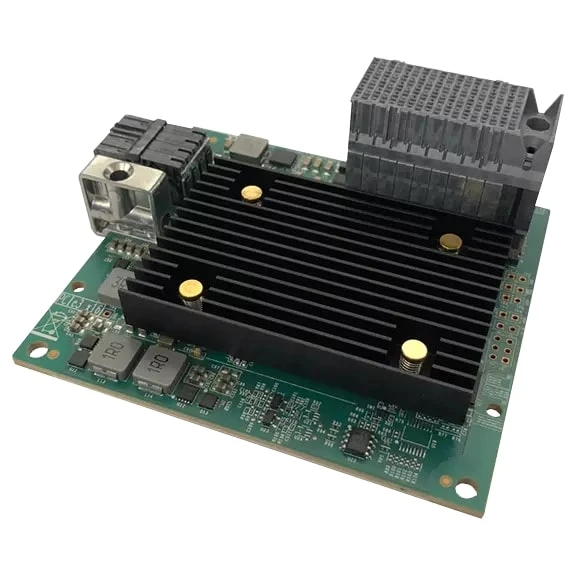

Enterprise servers carry the responsibility of keeping businesses connected every day. Applications grow quickly. Data moves constantly. Teams depend on stable systems that respond without delay. In this environment, network design plays a quiet but powerful role.
Multi port Ethernet adapters help servers handle this responsibility with confidence. They allow one server to manage several network connections at the same time without creating confusion or overload.
IT teams value solutions that feel reliable and easy to manage. Ethernet adapters support this need by creating clean and predictable network paths inside enterprise servers. They help reduce complexity while supporting performance growth.
By understanding the practical benefits of multi-port Ethernet adapters, teams can build server environments that feel stable today and flexible tomorrow.
1. Improved Network Performance Through Parallel Connections
Multi port Ethernet adapters allow enterprise servers to send and receive data across several network paths at once. Instead of forcing all traffic through one connection, the server spreads the load naturally.
This approach creates smoother performance across applications and services. Ethernet adapters help servers respond quickly during busy hours without feeling overwhelmed. When traffic flows across multiple ports, network congestion decreases.
Applications load faster. File transfers stay consistent. User experiences remain stable even during peak demand. This steady performance helps IT teams maintain confidence in their infrastructure decisions.
Key performance advantages include
- Balanced traffic distribution across ports
- Reduced network congestion during busy periods
- Faster response times for applications and services
By using Ethernet adapters with multiple ports, servers handle growth in a calm and predictable way.
2. Stronger Reliability and Built-In Redundancy
Reliability matters deeply in enterprise environments. A single network failure can disrupt workflows and trust. Multi port Ethernet adapters support redundancy by providing backup network paths. If one connection fails, another port continues the connection without interruption.
Ethernet adapters allow IT teams to design networks that expect change rather than fear it. Hardware issues or cable problems no longer create full outages. Servers stay reachable. Applications keep running. Users remain productive.
Practical reliability benefits include
- Automatic failover between network ports
- Reduced downtime during maintenance or faults
- Consistent connectivity for critical systems
This resilience creates peace of mind. Teams know their servers can handle real-world conditions without constant intervention.
3. Simplified Network Management for IT Teams
Enterprise networks can become complex quickly. Multi port Ethernet adapters simplify this challenge by reducing the number of separate cards and cables required. One adapter handles multiple connections, which keeps server layouts clean and organized.
Ethernet adapters also support clearer network design. IT teams manage fewer components while maintaining full control. Troubleshooting becomes easier because traffic paths stay predictable. This clarity saves time and reduces stress during critical moments.
Management advantages include
- Fewer physical components to track and maintain
- Cleaner server cabling and layout
- Easier monitoring and troubleshooting
When systems feel easier to manage, teams spend more time improving services instead of reacting to problems.
4. Better Support for Virtualization and Modern Workloads
Virtual machines and containers rely on stable and flexible networking. Multi port Ethernet adapters provide separate paths for different workloads inside the same server. This separation improves performance and reduces interference between applications.
Ethernet adapters help virtual environments scale naturally. One port can support management traffic. Another can handle storage access. Others can serve application data. This structure keeps workloads organized and responsive.
Virtualization benefits include
- Dedicated network paths for different workloads
- Improved performance for virtual machines
- Clear separation of traffic types
As workloads evolve, Ethernet adapters support this change without forcing major redesigns. Servers adapt quietly and efficiently.
5. Scalable Growth Without Major Infrastructure Changes
Enterprise environments rarely stay the same. Data grows. Applications expand. User needs evolve. Multi port Ethernet adapters support this growth by offering flexibility inside existing servers. Teams add capacity without replacing hardware.
Ethernet adapters allow gradual upgrades. IT teams activate additional ports as demand increases. This approach protects investments and supports long-term planning. Growth feels manageable rather than disruptive.
Scalability benefits include
- Easy expansion of network capacity
- Longer server lifecycle value
- Reduced need for hardware replacement
This flexibility helps organizations move forward with confidence while keeping costs and complexity under control.
Conclusion
Multi port Ethernet adapters play a quiet but essential role in enterprise servers. They improve performance, strengthen reliability, simplify management, support modern workloads, and prepare systems for growth.
Ethernet adapters support more than data movement. They support trust between systems and users. When servers communicate smoothly, teams focus on their goals rather than technical obstacles.
Choosing the right networking foundation creates environments that feel steady, supportive, and ready for change. This sense of stability becomes the real value that organizations carry forward every day.





























Sign in to leave a comment.