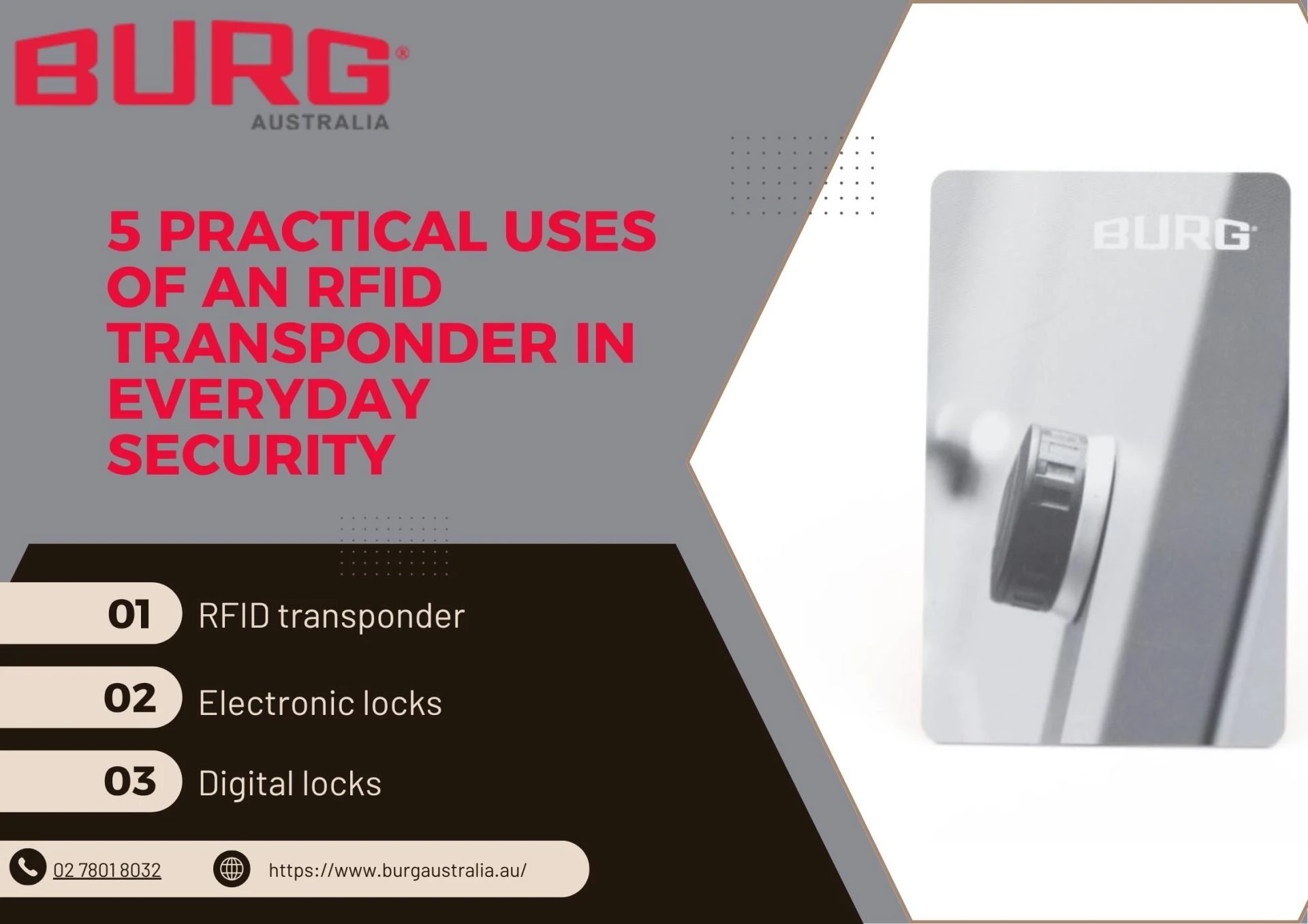
Security tools should work with daily routines. A compact, contactless solution that fits well in different settings is the RFID transponder. It offers a simple way to manage access across homes, offices, and shared spaces.
Here are five clear ways this technology supports everyday security:
1. Keyless Entry for Shared Offices
People come and go in shared workspaces. Contactless access removes the need for physical keys or entry codes. A quick tap lets the right person in. Access can be updated easily when staff changes happen. This saves time and avoids the hassle of collecting keys or changing locks. It also adds convenience during after-hours access or remote work arrangements.
When working with multiple departments or tenants in one building, assigning different levels of access becomes easier. Everyone gets access to only the rooms they need.
2. Easier Access for Apartment Residents
Apartment buildings need secure and simple entry systems. Residents can enter without keys or intercoms. The same setup can give access to shared areas like gyms, car parks, or storage rooms. It reduces wait times and stops people from getting locked out.
Property managers can control access with less manual work, which helps with maintenance and safety. In emergencies, access records also provide a clear log of who entered and when. For tenants, it also removes the stress of misplacing keys or dealing with lockouts late at night.
3. Safe Entry for School and Campus Buildings
Schools and training centres need to know who enters their buildings. Contactless systems help staff and students move between areas without needing constant monitoring. This also keeps unauthorised people out. RFID-based entry logs can support school policies and improve emergency planning.
It’s a simple way to make buildings more secure without disrupting daily activity. Schools can also assign custom access for staff, visitors, and contractors. During school events or holidays, access can be scheduled and adjusted in advance.
4. Access Control for Small Businesses
Small business owners often manage access themselves. A contactless system works with many setups. Staff can enter quickly, and owners can control who gets into different parts of the space. This helps manage stock rooms, offices, or storage units without needing separate keys.
It also limits the need for front desk support, saving costs and time. Businesses with rotating staff or freelancers benefit from easy changes to access permissions. If someone leaves, access can be removed instantly without changing locks or issuing new keys.
5. Temporary Entry for Cleaners or Contractors
Service providers often need short-term access. Instead of giving out spare keys or codes, you can set up limited access. It’s easy to remove once the work is finished. This protects your property and keeps entry records clean.
For repeat contractors, you can reuse the same access token and just adjust the schedule. If someone loses a card, it can be deactivated immediately to prevent misuse. This reduces the chance of security risks or unauthorised entry. It also helps maintain a clear record of who accessed the property during service times.
Built for Busy Spaces, Designed for Simplicity
An RFID transponder gives fast and secure entry without the need for keys or codes. It suits schools, homes, and workplaces where people move across several areas each day. A single tap keeps entry smooth and controlled.
BURG offers RFID solutions that work across different locations. These tools make setup simple and daily use easier. They are designed for places that value secure access with minimal steps. It’s a practical choice for anyone looking to manage entry without the stress of physical keys or passwords. Whether managing a single door or a whole building, it helps keep people moving and properties secure.























Sign in to leave a comment.