
Symptoms That Rarely Point Back to the Glutes
Tight glutes almost never show up as glute pain. Instead, they disguise themselves as a lower back ache, a hip pinch, or a strange pulling sensation behind the knee. We put together a breakdown of tight glutes symptoms because recognizing the pattern is the first step to actually addressing it instead of chasing symptoms one at a time.
Why the Glutes Cause Problems Everywhere but Themselves
The gluteus maximus, medius, and minimus anchor pelvic stability and drive hip extension. When they shorten from sitting, poor recovery habits, or anterior pelvic tilt, the effects don't stay local. They travel upward into the lumbar spine and downward through the knee, showing up as symptoms in joints that were never actually the problem.
The Five Patterns Worth Knowing
A dull, persistent lower back ache that back stretches don't fully resolve. A sharp pinch at the front of the hip when standing up from a chair or getting out of a car. Radiating tingling down the back of the thigh that looks like sciatica but isn't disc-related. A stride that feels shorter or stiffer on one side. And a pulling sensation behind the knee that hamstring stretching alone doesn't fix. Each one traces back to the same source.
Confirming It at Home
Two simple self-tests can help confirm whether tight glutes are behind what you're feeling: the Thomas Test Modification and the Standing Hip Extension Test. Both are easy to do without any equipment and give a concrete sense of whether hip extension is limited on one or both sides.
The complete symptom breakdown, along with both self-tests and a practical stretching and activation plan, is in our full tight glutes symptoms guide.
Addressing the Root Instead of the Symptom
We at CastleFlexx find that people get the best results when they stop treating each symptom separately and start addressing the gluteal tightness underneath all of them. Many of our customers use the CastleFlexx Luxury to support consistent posterior chain work as part of that process. Our full guide to tight glutes symptoms walks through exactly how to tell if this pattern applies to you.
Frequently Asked Questions
What are the most common signs of tight glutes?
The five most common signs are a persistent lower back ache, a hip pinch during flexion movements, sciatic-like referral pain down the thigh, an asymmetric stride, and a pulling sensation behind the knee.
Why don't tight glutes just cause glute pain?
The gluteal muscles influence pelvic stability and hip extension, so tightness affects the joints and muscles connected to them, the lower back and knee especially, rather than producing pain in the glutes themselves.
How can I check at home if my glutes are actually tight?
The Standing Hip Extension Test and the Thomas Test Modification are both simple self-checks that reveal limited hip extension, a functional sign of gluteal tightness, without needing any equipment.
Can stretching alone fix these symptoms?
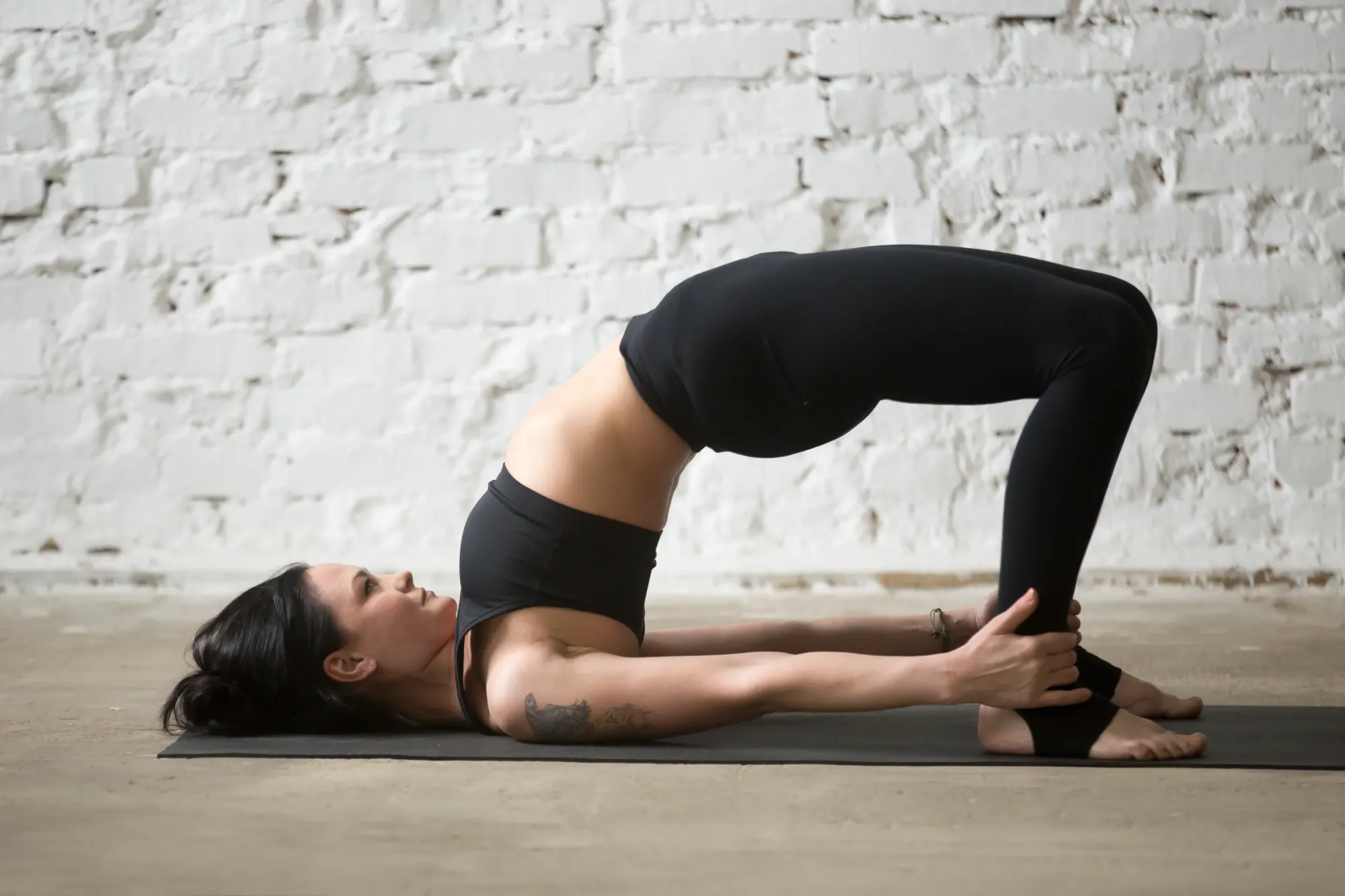
Stretching restores length, but doesn't restore neuromuscular activation. Pairing stretching with glute activation exercises like bridges and clamshells tends to produce more complete and lasting symptom relief.
How long before these symptoms start improving?
Many people notice reduced tightness within two to three weeks of consistent daily work, with more meaningful symptom reduction typically developing over six to eight weeks.


























Sign in to leave a comment.