A retention pond plays an important role in protecting nearby properties from flooding and managing stormwater runoff. But when regular care gets ignored, small pond issues can quickly turn into expensive problems. Dirty water, overgrown vegetation, erosion, and drainage failures are some of the common signs that something is wrong.
Property owners often delay maintenance because the pond still “looks okay” from a distance. In reality, hidden problems can slowly damage water quality, weaken the pond structure, and increase the risk of flooding during heavy rain.
If there are concerns about the condition of a stormwater pond, these warning signs should never be ignored. Proper pond maintenance services in Lawrenceville help keep retention ponds clean, safe, and working properly throughout the year.
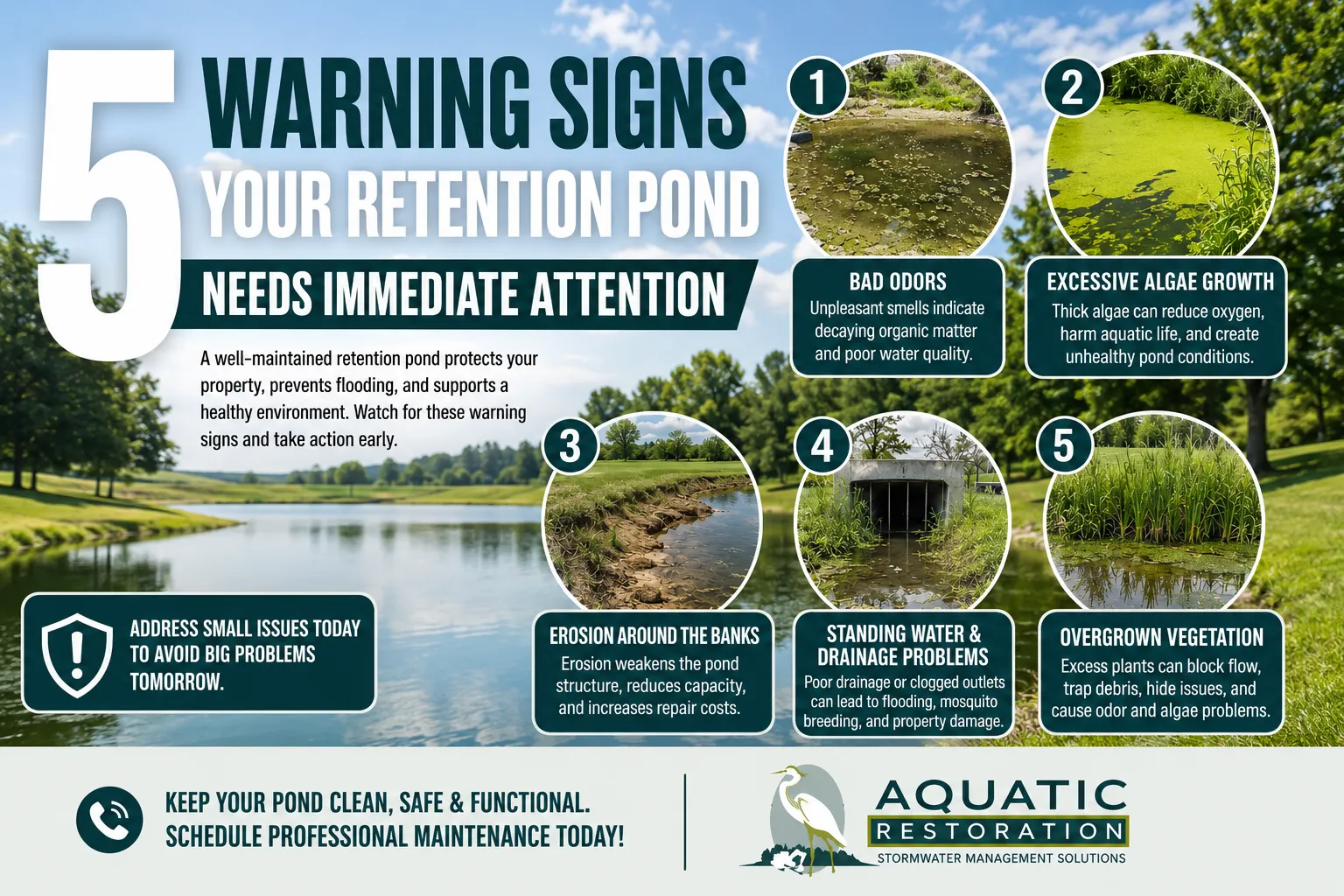
1. Bad Smells Coming From the Pond
A healthy retention pond should not produce strong or unpleasant odors. When foul smells start coming from the water, it usually means organic waste is building up inside the pond. Leaves, grass clippings, algae, trash, and dead vegetation can collect at the bottom and slowly decay.
Low oxygen levels in the water also create bad odors. This often happens during warmer months when stagnant water allows bacteria and algae to grow rapidly.
Ignoring pond odors can lead to bigger water quality problems. In some cases, strong smells may even attract insects and create an unhealthy environment around nearby homes or commercial properties.
2. Excessive Algae Growth
Some algae growth is normal in retention ponds, but thick green algae covering the water surface is a major warning sign. Excess algae usually develops when there are high nutrient levels in the pond. Fertilizer runoff, grass clippings, and organic waste are often the main causes.
Heavy algae growth can create several problems:
- Reduced oxygen in the water
- Fish deaths
- Strong odors
- Mosquito breeding
- Poor water appearance
Algae can also block sunlight and affect the pond’s natural balance. During hot weather, algae blooms can spread quickly and make the pond difficult to manage.
Professional pond maintenance in Lawrenceville focuses on controlling nutrient buildup and improving water circulation before algae becomes unmanageable. Early treatment is always easier and more affordable than fixing a severely damaged pond later.
3. Erosion Around the Pond Banks
Erosion is one of the most serious issues for retention ponds. When pond banks begin to wash away, the pond's structure can become unstable. Heavy rain, poor drainage, and weak vegetation coverage are common causes of shoreline erosion.
Some common signs include:
- Bare soil around the pond
- Deep grooves in the banks
- Muddy water after rain
- Collapsing edges
- Exposed roots
Erosion problems should never be ignored because they often become worse over time. Soil entering the pond increases sediment buildup, reduces storage capacity, and affects overall stormwater performance.
Well-maintained vegetation around the shoreline helps protect the banks from water damage. Regular inspections also help identify weak areas before major repairs become necessary.
4. Standing Water and Drainage Problems
Retention ponds are designed to collect and slowly release stormwater. If water stays stagnant for long periods or drainage systems stop working correctly, the pond may no longer be functioning properly.
Blocked outlet structures, clogged pipes, and sediment accumulation are common reasons for drainage issues. These problems can increase flooding risks during heavy storms and place nearby properties at risk.
Some warning signs include:
- Water levels are staying unusually high
- Overflowing during moderate rainfall
- Clogged drains or pipes
- Mosquito activity increasing
- Slow water movement
Standing water can also create safety concerns and increase maintenance costs if left untreated.
Routine inspections help identify drainage problems early. Cleaning debris and removing excess sediment allows the retention pond to operate efficiently and safely during severe weather conditions.
5. Overgrown Vegetation and Uncontrolled Plant Growth
Vegetation around a pond helps support the ecosystem, but uncontrolled growth can quickly become a problem. Tall weeds, invasive plants, and overgrown grass may block drainage areas and hide structural damage.
Overgrown vegetation can also:
- Trap debris
- Increase mosquito activity
- Reduce water flow
- Hide erosion problems
- Damage pond structures
Some invasive aquatic plants spread rapidly and take over large sections of the pond. Once this happens, cleanup becomes much more difficult and expensive. In many cases, unmanaged plant growth also contributes to water quality issues and unpleasant smells. Problems related to pond odor causes & solutions are commonly linked to excess organic buildup, stagnant water, and poor circulation inside the pond system.
Regular trimming and vegetation control keep the pond accessible and improve overall appearance. Proper maintenance also helps identify hidden issues before they become serious.
Why Immediate Pond Maintenance Matters
Many pond problems start small and gradually worsen over time. Delaying maintenance can lead to:
- Expensive structural repairs
- Flooding risks
- Poor water quality
- Property damage
- Increased mosquito activity
- Environmental violations
A retention pond is part of a larger stormwater management system. When the pond stops working correctly, nearby roads, parking lots, homes, and commercial properties can all be affected.
Routine maintenance helps extend the life of the pond and prevents sudden failures during heavy rainfall. It also helps maintain a cleaner and safer environment for surrounding communities.
How Professional Pond Maintenance Helps
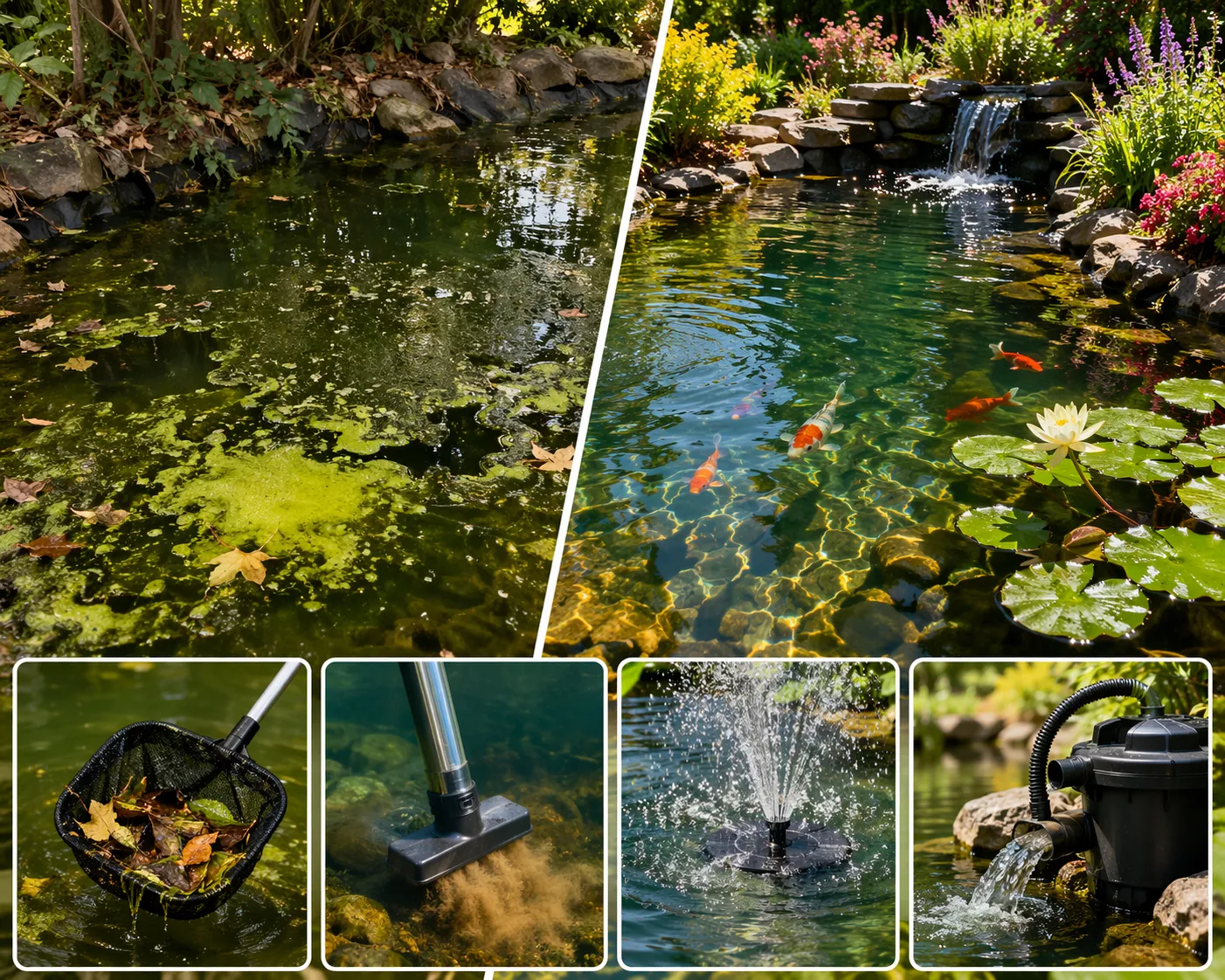
Professional pond maintenance services focus on preventing problems before they become severe. A proper maintenance plan may include:
- Debris removal
- Algae control
- Vegetation management
- Sediment removal
- Erosion repair
- Drainage inspections
- Water quality improvement
Regular inspections are especially important after storms because hidden damage often appears after heavy rainfall.
Reliable pond maintenance services in Lawrenceville help property owners protect their stormwater systems while reducing long-term repair costs.
Final Thoughts
Retention ponds require regular attention to stay safe, clean, and fully functional. Bad odors, algae growth, erosion, drainage issues, and overgrown vegetation are all signs that immediate maintenance may be needed. Addressing these problems early helps prevent flooding, water contamination, and costly repairs later.
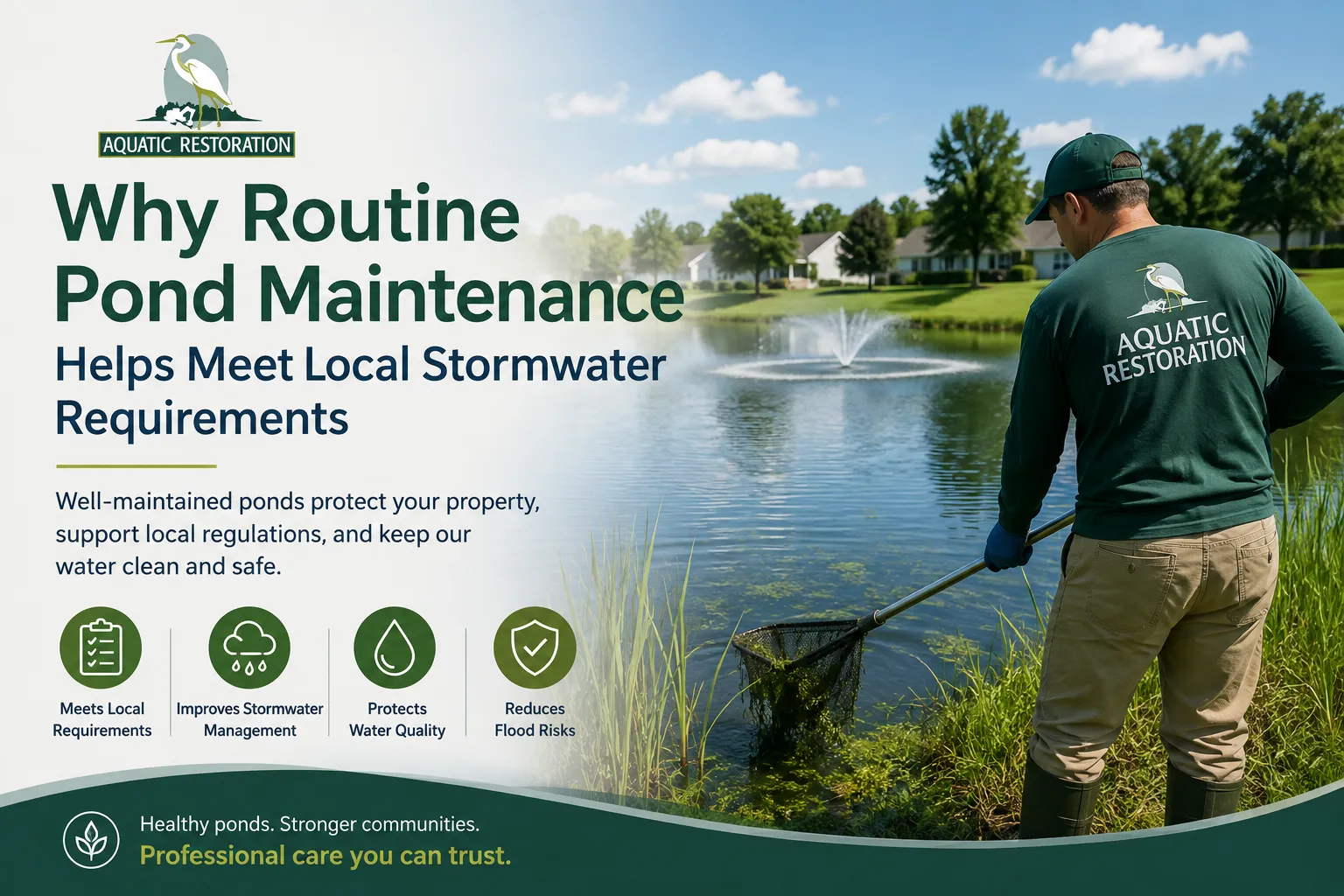
Aquatic Restoration provides professional retention pond and stormwater management services designed to improve water quality, control vegetation, and keep ponds operating efficiently throughout the year.
FAQs
How often should a retention pond be cleaned?
Most retention ponds should be inspected regularly and cleaned when debris, sediment, or algae buildup becomes noticeable. Seasonal maintenance is commonly recommended.
What causes a retention pond to smell bad?
Bad odors usually come from decaying organic matter, algae growth, stagnant water, or low oxygen levels inside the pond.
Can algae damage a retention pond?
Yes. Excessive algae growth can lower oxygen levels, affect water quality, create odors, and increase mosquito activity if not controlled properly.
Why is erosion around a pond dangerous?
Erosion weakens the pond banks and can eventually damage the entire stormwater system. It also increases sediment buildup inside the pond.
Why is professional pond maintenance important?
Professional maintenance helps prevent flooding, improve water quality, controls vegetation, and reduces the risk of expensive repairs in the future.





























Sign in to leave a comment.