
Septic problems don’t usually explode overnight. They creep in. A slow drain. A weird smell. Maybe a soft patch in the yard. Then suddenly, everything backs up, and it’s a mess. The U.S. Environmental Protection Agency (EPA) says over 20% of U.S. homes use septic systems, and a lot of failures happen because people wait too long. We’ve seen it again and again while handling a professional septic tank repair in Charlotte. The truth is, the right Septic Tank Repair Methods fix things early. The wrong ones just waste your time and money.
What Are Septic Tank Repair Methods?
Let’s not overcomplicate it. These are just the ways we fix problems in your septic system. That could be a clog, a leak, a broken pipe, or poor drainage.
There’s no magic here. Either wastewater flows properly, or it doesn’t. Our job is to figure out why it’s not working and fix that exact issue.
Honestly, most problems aren’t that complex. They just get worse when ignored.
Why Septic Systems Fail (What We Actually See)
If I had to sum it up in one line, it’s neglect.
Here’s what we deal with all the time:
- Tanks that haven’t been pumped in years
- People flushing wipes and grease
- Tree roots are cracking pipes underground
- Old tanks falling apart
- Cheap installs that were never done right
What usually works: regular care and catching issues early.
What often fails: waiting until sewage backs up inside your house. At that point, it’s never cheap or easy.
How We Approach Repairs
We don’t do guesswork. And we definitely don’t believe in quick fixes.
A lot of homeowners call us after someone else “fixed” the issue, but it came right back. That’s common. The problem wasn’t solved—it was just covered up.
Our approach is simple:
- Find the real cause
- Fix it properly
- Make sure it stays fixed
That’s it.
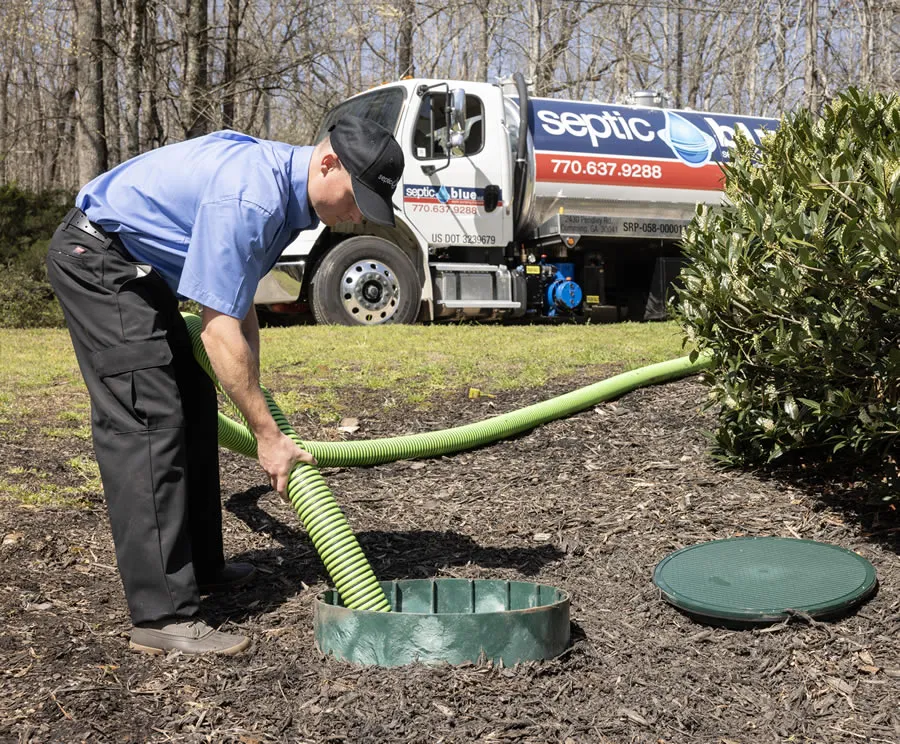
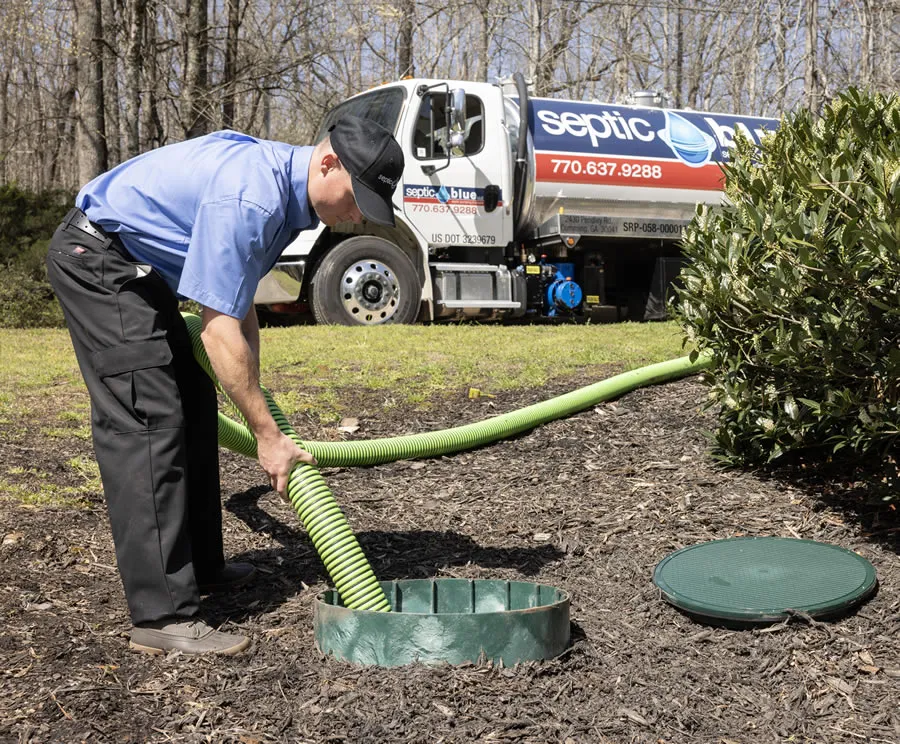
1. Septic Tank Pumping
Why this almost always works
If your tank is full, nothing else matters. Waste has nowhere to go. Pumping clears everything out and gives your system space to work again.
This is the most basic step, but people skip it all the time.
My opinion:
If you do nothing else, stay on top of pumping. It prevents half the problems we see.
2. Deep Pipe Cleaning
What works vs what doesn’t
Here’s the thing—just poking a hole through a clog isn’t enough. A lot of quick services do that, and the problem comes back in weeks.
We clean the entire pipe so water flows as it should.
What works: full cleaning
What fails: temporary clearing
It’s like cleaning a dirty pan. If you leave grease behind, it’s still dirty.
3. Fixing Broken Pipes
When cleaning won’t fix it
If a pipe is cracked or crushed, cleaning won’t help. It might look better for a few days, but the issue comes right back.
We’ve seen people spend money two or three times before realising the pipe itself was damaged.
Personal judgment:
If the same clog keeps coming back, stop wasting money on cleaning. Something deeper is wrong.
4. Sealing Tank Leaks
Why leaks are a bigger deal than they look
A small crack doesn’t seem urgent, but it can turn serious fast. Wastewater leaking into the ground is not something you want near your home.
We seal small cracks, but if the tank is badly damaged, replacement is the only real fix.
What fails: ignoring it and hoping it doesn’t get worse. It always does.
5. Drain Field Restoration
The part most people ignore
The drain field is where wastewater goes after the tank. When it stops working, everything backs up.
You’ll usually notice soggy ground or standing water.
Restoring it helps the soil absorb water again.
Simple way to think about it:
It’s like a sponge. Once it’s clogged, it stops working until you fix it.
6. Baffle Repairs
Small piece, big problems
Most people have no idea what a baffle is, but it matters a lot. It controls how waste moves inside the tank.
When it breaks, solids go where they shouldn’t, and that leads to bigger issues.
What works: fixing it early
What fails: ignoring it until the system backs up
7. Preventive Maintenance
This is where people either save money or lose it
There are two types of homeowners:
- The ones who maintain their system
- The ones who wait for it to break
The first group always spends less. No exceptions.
My honest take:
Preventive maintenance isn’t optional. It’s the difference between a small bill and a huge one.
How We Actually Fix a Septic Problem
Here’s how we handle it in real life:
- We inspect everything carefully
- We find the real issue
- We fix that exact problem
- We test the system
- We explain how to avoid it again
No shortcuts. No guessing.
A Real Job That Says It All
We had a homeowner dealing with constant backups. Another company had already “fixed” it twice.
They cleaned the pipes, but the issue kept coming back.
When we checked, the real problem was a broken baffle inside the tank. Once we fixed it, everything worked fine.
That’s the difference between a quick fix and the right fix.
Simple Tips That Actually Work
You don’t need complicated advice. Just do the basics:
- Pump your tank every few years
- Don’t pour grease down the drain
- Avoid flushing wipes
- Keep heavy vehicles off your yard where the system sits
- Pay attention to slow drains and smells
These are simple habits, but they prevent major problems.
Conclusion
Septic systems aren’t complicated, but they do need steady attention. From what we’ve seen, the biggest mistake homeowners make is waiting too long or going for cheap, quick fixes that don’t hold up. That usually leads to bigger problems and higher costs later. We focus on fixing the real issue, not just the symptom, so the problem doesn’t come back. When you keep up with regular maintenance and take early signs seriously, your system runs smoother and lasts longer. We’ve handled plenty of cases where a small issue turned into a major repair just because it was ignored. Simple habits like timely pumping and careful use go a long way. In our experience, doing the basics right saves money, time, and stress.
FAQ
How often should I pump my septic tank?
We usually recommend pumping your septic tank every 3 to 5 years. If your home has more people or higher water use, it may need pumping sooner. We check tank levels and usage to give the right timing so you avoid backups and costly repairs.
What are the early signs of a septic problem?
Early signs include slow drains, bad smells, gurgling pipes, or wet spots in your yard. We’ve seen these show up first—ignore them, and bigger, costly septic problems usually follow.
Why does my septic system keep clogging?
It usually clogs from grease, wipes, or buildup in pipes. We often find damaged lines or a full tank behind repeat issues. If it keeps happening, something deeper is wrong and needs a proper check.
Can I fix septic problems myself?
You can handle small care like watching what you flush, but most septic problems need proper tools and experience. We’ve seen DIY fixes make things worse. It’s safer to call a pro for real repairs.
What should I avoid flushing?
We tell homeowners to avoid flushing wipes, grease, paper towels, chemicals, and hygiene products. These don’t break down and cause clogs fast. Stick to toilet paper only to keep your system safe.
How long does a septic system last?
Most septic systems last 20–40 years. We’ve seen well-maintained ones go longer, while neglected systems fail early. Regular pumping and care make a big difference in how long yours lasts.



























Sign in to leave a comment.