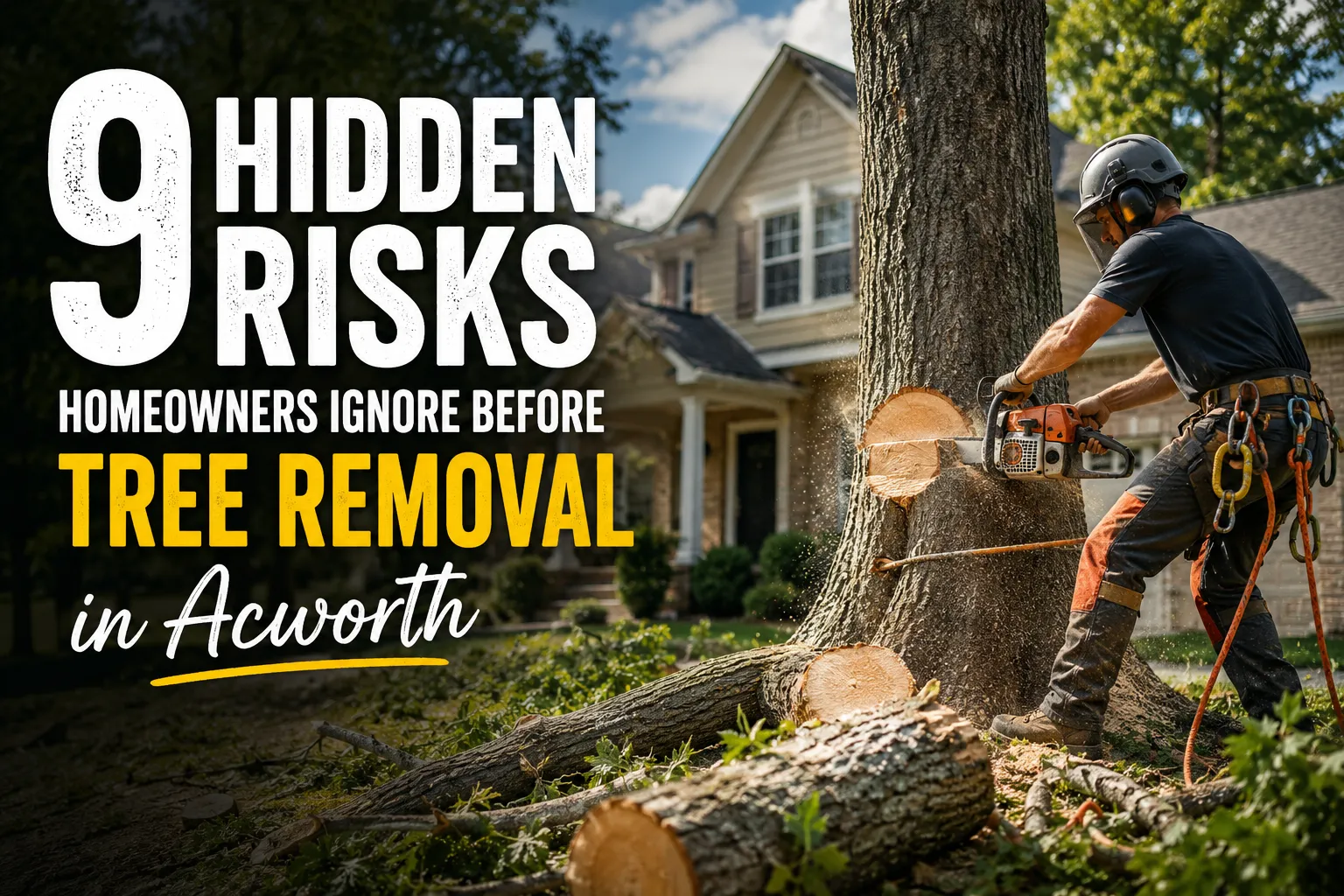

A tree can look perfectly healthy from the street and still become the most expensive problem on your property overnight.
That’s one reason so many homeowners delay decisions about tree care until a storm hits, roots start cracking concrete, or a heavy limb crashes onto a roof. In many neighborhoods, people assume a leaning tree or dead branches are “probably fine” — until they’re suddenly dealing with insurance claims, emergency cleanup, or damage that could have been prevented months earlier.
If you’ve been thinking about tree removal in Acworth, the biggest mistake is waiting until the situation becomes urgent.
The truth is, dangerous trees rarely fail without warning. Most properties show subtle signs long before major damage happens. The challenge is that homeowners often don’t recognize those signs early enough.
Here are the hidden risks many local property owners overlook — and what you should know before making any decisions.
1. Dead Limbs Can Fall Even When the Tree Looks Healthy
One of the most misunderstood problems with mature trees is that danger isn’t always obvious.
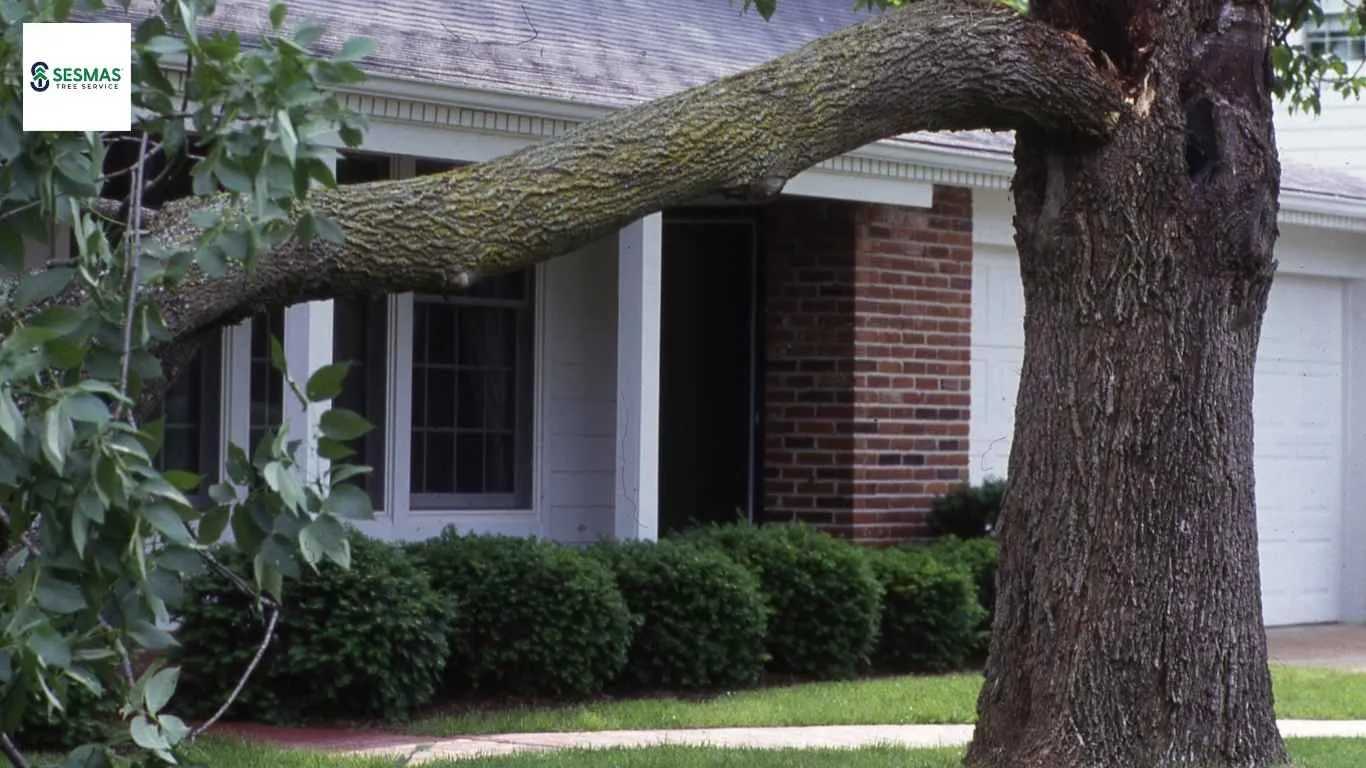
A tree may still produce leaves while large internal sections are already decaying. Heavy limbs can weaken slowly over time, especially after repeated storms, humidity, or fungal growth.
This becomes especially risky near:
- Driveways
- Rooflines
- Power lines
- Children’s play areas
- Outdoor patios
In many cases, homeowners only notice the issue after hearing cracking during high winds or discovering branches scattered across the yard after a storm.
Ignoring deadwood can eventually turn a manageable maintenance issue into a major liability.
2. Roots Can Quietly Damage Your Property for Years
Most people focus on what they can see above ground.
The real damage often starts below it.
Large root systems can slowly shift:
- Sidewalks
- Retaining walls
- Foundations
- Pool decks
- Underground pipes
The scary part is how gradual the damage feels at first. A tiny crack in concrete may not seem important until repairs become extensive and expensive.
Certain older neighborhoods with mature landscaping are especially vulnerable because large trees were planted decades ago without considering future root expansion.
If you notice uneven pavement, drainage changes, or cracks appearing near tree lines, it’s worth paying attention early.
3. Storm-Damaged Trees Don’t Always Collapse Immediately
After strong Georgia storms, many homeowners inspect for obvious fallen branches and assume everything else survived safely.
But storm damage can weaken a tree internally without immediate visible collapse.
Common delayed warning signs include:
- Splitting trunks
- Hanging branches
- Sudden leaning
- Soil lifting near the base
- Bark separation
- Hollow sounds inside the trunk
A tree weakened during one storm may fail weeks later during completely normal weather.
That delayed collapse catches many families off guard because the danger no longer feels urgent.
4. Cheap Contractors Can Create Bigger Problems
Hiring the lowest bidder may save money upfront — but it can create serious issues later.
Improper cutting techniques can destabilize surrounding trees, damage landscaping, or even increase future hazards.
Some homeowners discover too late that the crew they hired:
- Wasn’t insured
- Used unsafe equipment
- Damaged neighboring property
- Left behind dangerous stumps
- Caused preventable roof or fence damage
Tree work is far more technical than many people realize. Large removals involve weight distribution, fall direction, tension management, and safety planning.
When mistakes happen, repair costs can easily exceed the original price of the project.
5. Insurance Claims Become Complicated Faster Than People Expect
Many homeowners assume insurance automatically covers all tree-related damage.
That isn’t always true.
Coverage often depends on factors like:
- Whether the tree was visibly neglected
- If prior warnings existed
- Where the tree landed
- Whether preventable risks were ignored
For example, if a visibly dead tree damages a structure after months of obvious deterioration, claim disputes can become far more complicated.
Preventive action is usually much cheaper than emergency restoration.
6. Overgrown Trees Can Reduce Property Value
Buyers notice risky trees immediately.
Even beautiful landscaping can become a red flag if large limbs hang too close to roofs, block sunlight, or appear unstable.
Overgrown trees may also:
- Make homes look poorly maintained
- Increase moisture problems
- Encourage mold growth
- Create pest issues
- Damage gutters and shingles
In competitive housing markets, curb appeal matters more than people think.
A clean, well-maintained yard often makes a stronger impression than homeowners realize.
7. DIY Removal Is More Dangerous Than Online Videos Make It Look
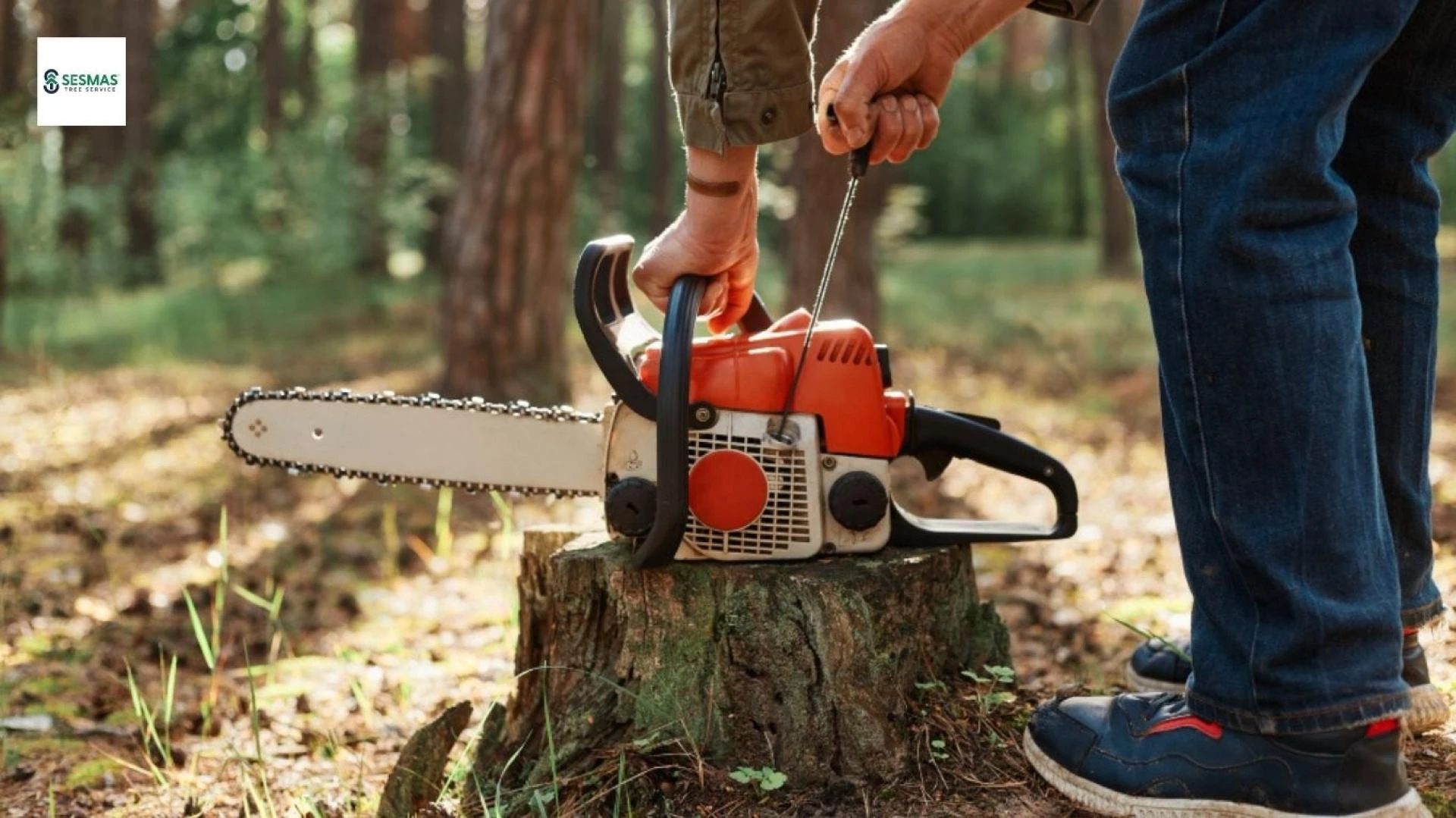
Social media has convinced many people that cutting down a tree is a simple weekend project.
It isn’t.
Even smaller trees can behave unpredictably during cutting. Weight shifts, internal decay, hidden tension, and uneven lean angles can quickly create dangerous situations.
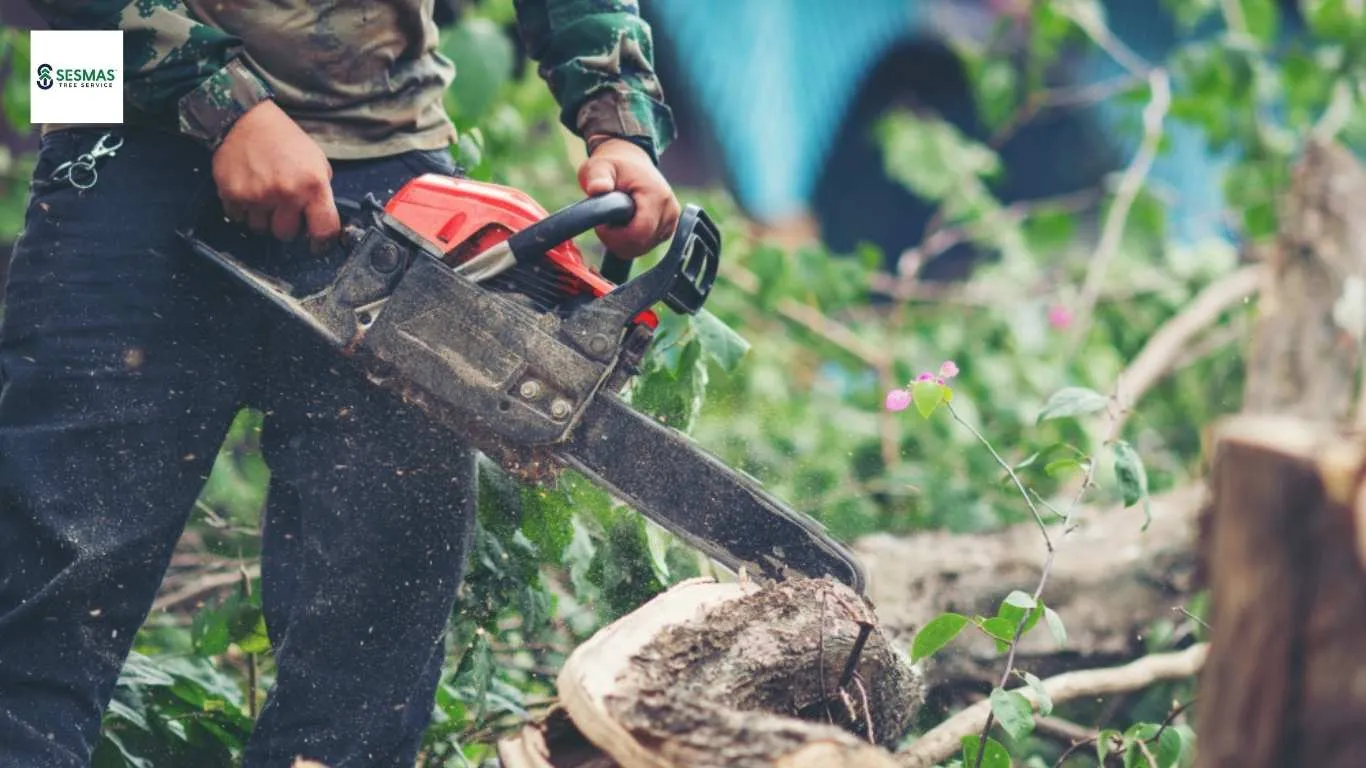
Chainsaw injuries, ladder falls, and uncontrolled tree movement send thousands of people to emergency rooms every year.
The biggest danger is confidence without experience.
What looks manageable from the ground can become extremely hazardous once cutting begins.
8. Neglected Trees Often Attract Hidden Pest Problems
Dead or stressed trees become ideal environments for insects and decay.
Wood-boring pests, termites, ants, and fungi often spread from weakened trees into nearby structures or landscaping.
Many homeowners first discover infestations after noticing:
- Soft wood
- Sawdust-like debris
- Mushrooms near roots
- Hollow trunk sections
- Increased insect activity around the yard
By that point, the issue may already be affecting fences, sheds, or even parts of the home itself.
9. Waiting Too Long Usually Makes Everything More Expensive
This is the pattern many homeowners regret most.
A small issue becomes a larger one because it seemed safe to postpone.
Then eventually:
- Storm season arrives
- Emergency service costs increase
- Additional property damage occurs
- Access becomes harder
- The tree becomes more unstable
Emergency removals are almost always more stressful and expensive than planned preventative work.
And unfortunately, emergencies rarely happen at convenient times.
What Smart Homeowners Usually Do Instead
Experienced property owners tend to focus on prevention instead of reaction.
That means paying attention to warning signs early, scheduling inspections after storms, and addressing structural concerns before they become emergencies.
Even if removal isn’t necessary right away, understanding the actual condition of a tree can help homeowners avoid expensive surprises later.
Many residents also prefer working with established local professionals who understand regional weather conditions, soil behavior, and the challenges that mature Georgia trees can create over time.
Companies like Sesmas Tree Service LLC are often part of those conversations because homeowners usually want guidance that feels practical, local, and safety-focused rather than overly sales-driven.
Final Thoughts
Trees add beauty, shade, and value to a property — but neglected tree problems can quietly become some of the most expensive issues a homeowner faces.
The biggest risks are often the ones people don’t notice until it’s too late.
Paying attention early, especially after storms or visible structural changes, can help prevent major damage, insurance headaches, and unnecessary costs down the road.
And sometimes, the smartest decision isn’t waiting for a tree to fall.
It’s recognizing the warning signs before it ever gets that far.
























Sign in to leave a comment.