

Commercial construction is not just about putting walls together. It is a coordinated process that involves planning, people, materials, timelines, and compliance. This is where professional contractors step in to manage everything smoothly from start to finish. Below is a clear breakdown of the core services they handle so projects stay organized, efficient, and stress free.
1. Pre Construction Planning and Budgeting
Every successful project begins with strong planning. Contractors help define the project scope, estimate costs, set timelines, and identify potential risks early. This stage helps avoid surprises later and ensures financial clarity before work begins.
2. Design Coordination and Technical Support
Contractors work closely with architects, engineers, and designers to align vision with practicality. They review drawings, suggest improvements, and ensure designs are buildable within budget and regulations. This collaboration keeps creativity grounded in reality.
3. Permits and Regulatory Approvals
Commercial projects require multiple approvals before construction can begin. Contractors manage permits, inspections, and compliance with local codes. This includes handling documentation related to building permits so the project moves forward without legal delays.
4. Project Scheduling and Timeline Management
Time is money in commercial construction. Contractors create detailed schedules, coordinate trades, and monitor progress daily. This ensures each phase flows into the next without unnecessary downtime or confusion.
5. Subcontractor Coordination
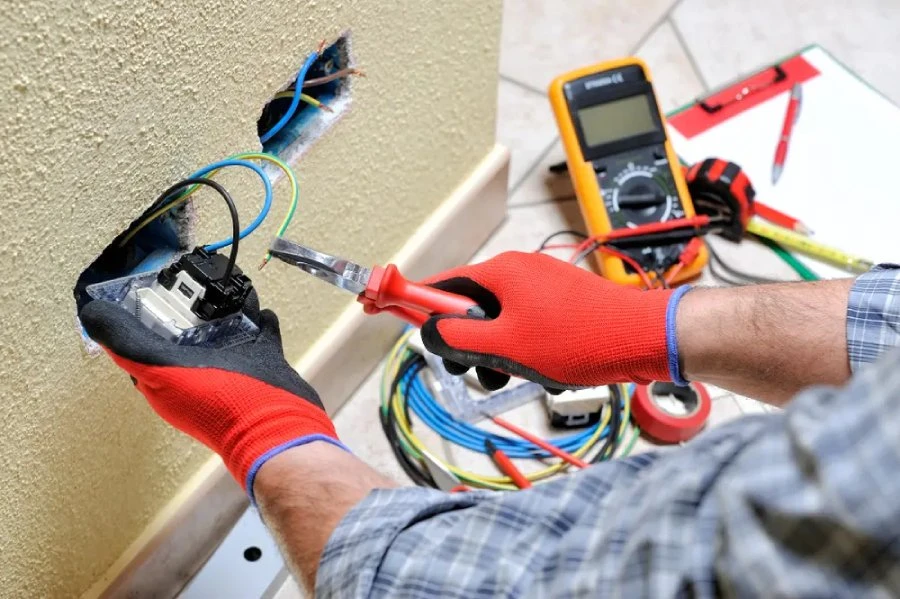
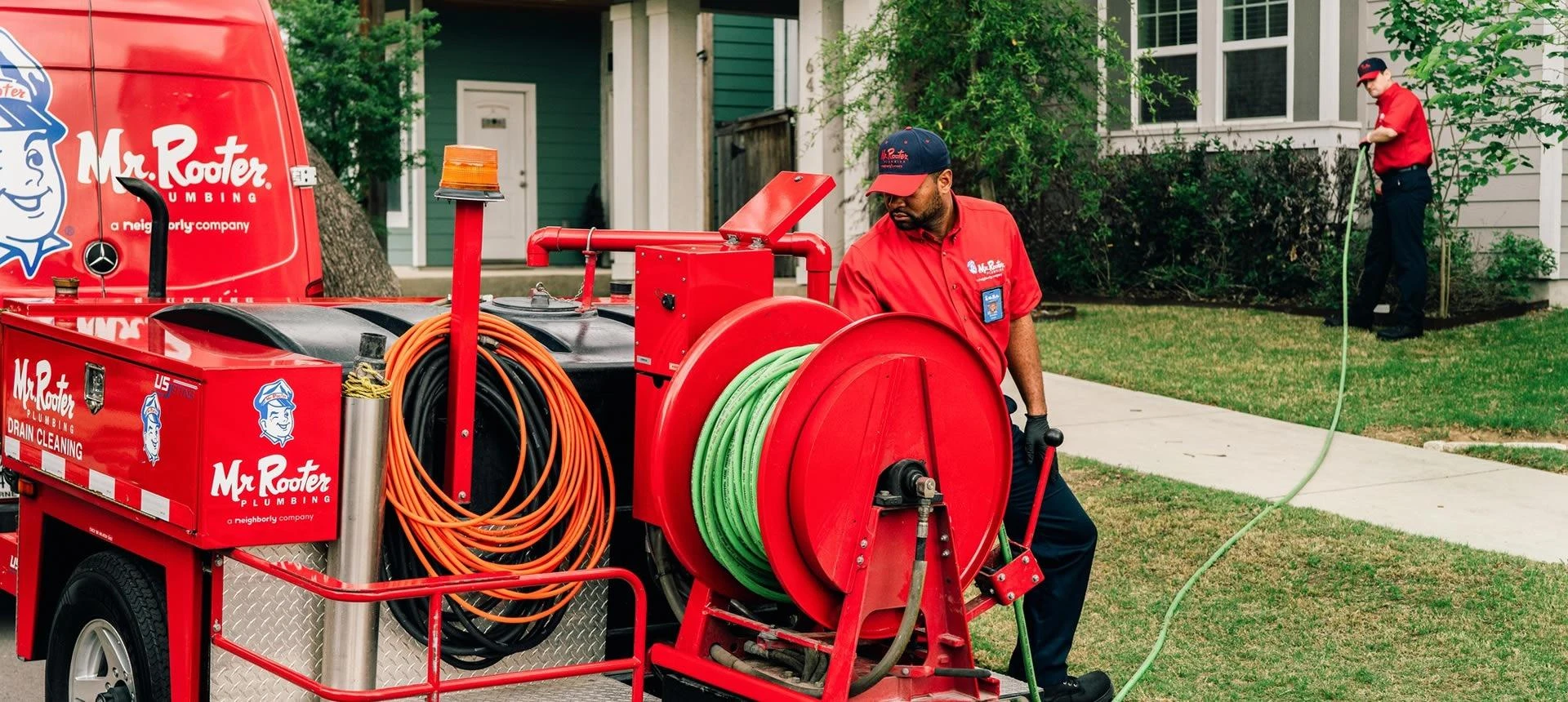
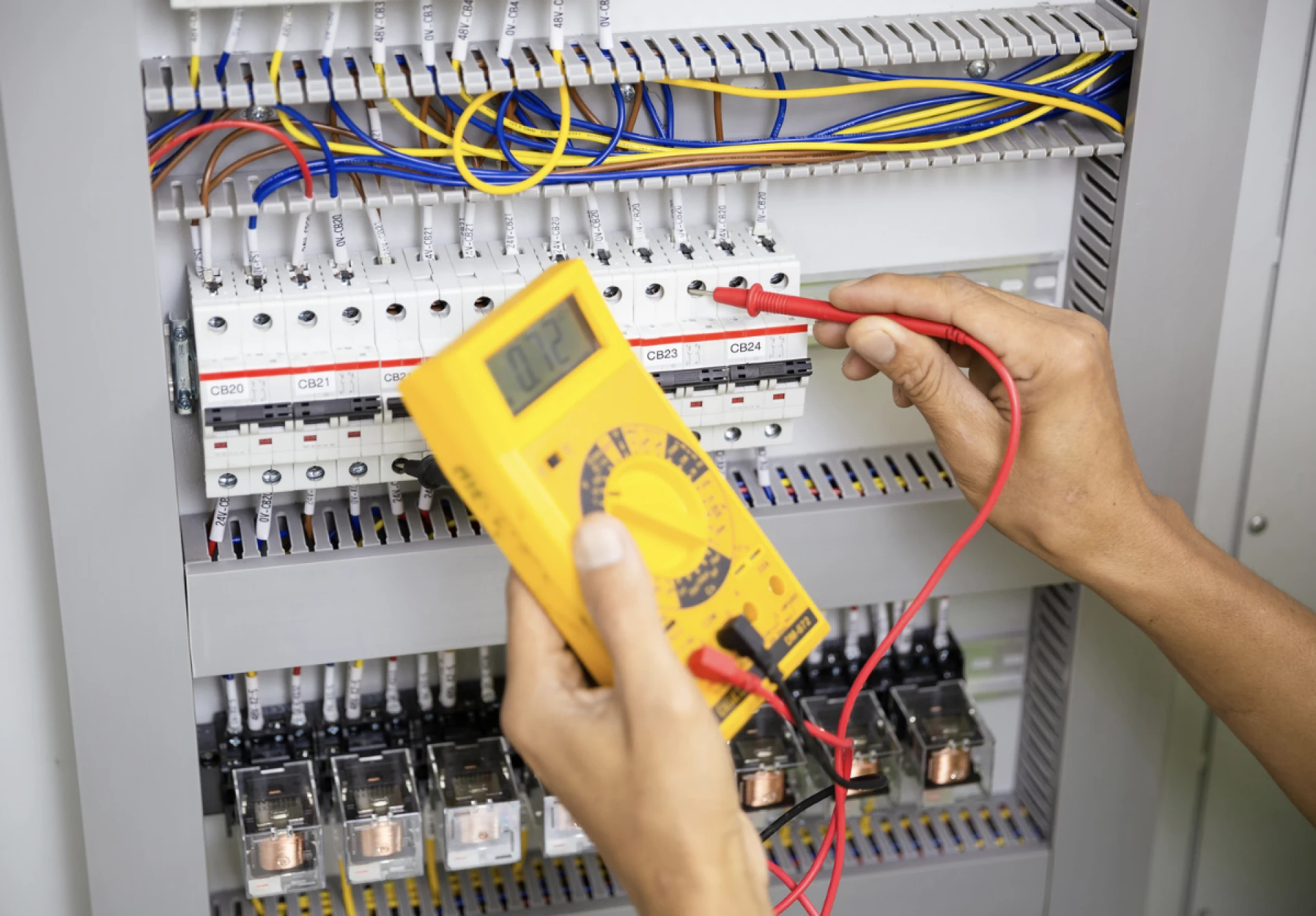
From electricians to plumbers, many specialists are involved in a commercial build. Contractors hire, schedule, and oversee subcontractors to ensure quality work and clear communication. This keeps accountability centralized and reduces coordination issues.
6. Material Procurement and Logistics
Contractors source materials, manage deliveries, and control inventory on site. Proper logistics prevent shortages, reduce waste, and keep construction moving efficiently. This also helps maintain consistent quality throughout the project.
7. On Site Construction Management
Daily supervision is critical. Contractors oversee safety practices, quality control, and workflow on site. They act as the single point of responsibility, ensuring work meets specifications and standards at every stage.
This role is closely tied to construction management which focuses on controlling time, cost, and quality across complex projects.
8. Quality Assurance and Safety Oversight
Commercial sites must follow strict safety and quality guidelines. Contractors implement safety protocols, conduct inspections, and correct issues immediately. This protects workers, property, and long term building performance.

9. Final Inspections and Project Closeout
At the end of construction, contractors coordinate final inspections, resolve punch list items, and ensure all systems function properly. They also provide documentation, warranties, and handover support so owners can operate with confidence.
Why This End to End Approach Matters
Managing a commercial project involves hundreds of moving parts. When a single professional team oversees the entire process, communication improves, risks decrease, and results become more predictable. Instead of juggling multiple contacts, owners benefit from one clear line of responsibility.
In the final stages of any commercial build, working with experienced commercial general contractors ensures every detail is handled with precision, from planning and permits to final delivery. This end to end approach allows businesses to focus on growth while their construction project stays on track.























Sign in to leave a comment.