
When you think of artificial intelligence (AI), you probably think of science fiction movies and robots taking over the world. But actually, AI has become a lot more mainstream than most people realize. In fact, it's already being used in everyday marketing tactics — including personalization.
Personalization is the act of leveraging data and insights to tailor your marketing to individual customer needs and preferences. And when used correctly, it has the power to boost customer satisfaction, loyalty, and even revenue.
In fact, 80% of customers are more likely to purchase a product or service from a brand who provides personalized experiences. Additionally, 44% of consumers say that they will likely become repeat buyers after a personalized shopping experience with a company.
1. Personalizing your website for every visitor
We’ve all seen ads that seem to know exactly what we were just thinking about. And we’ve all seen websites that seem to know exactly what we’re looking for. That’s the magic of AI personalization, and it’s not just for e-commerce anymore. You can use it to personalize your website for every visitor, too.
AI personalization tools use machine learning algorithms to analyze your website’s traffic data and learn about your visitors. Then, they use that data to create a unique, personalized experience for each visitor. For example, an AI personalization tool might change the products that are featured on your homepage based on what a visitor has viewed or purchased in the past. Or, it might change the copy on your landing pages to speak directly to a visitor’s needs and pain points.
2. Predicting your customer’s next move
The data AI collects on your customers can be used to predict their next move. This allows you to personalize their experience, which can increase the chances of a sale.
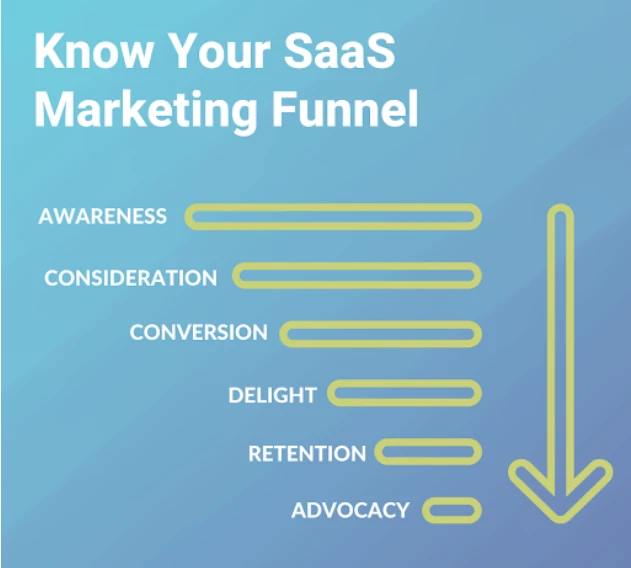
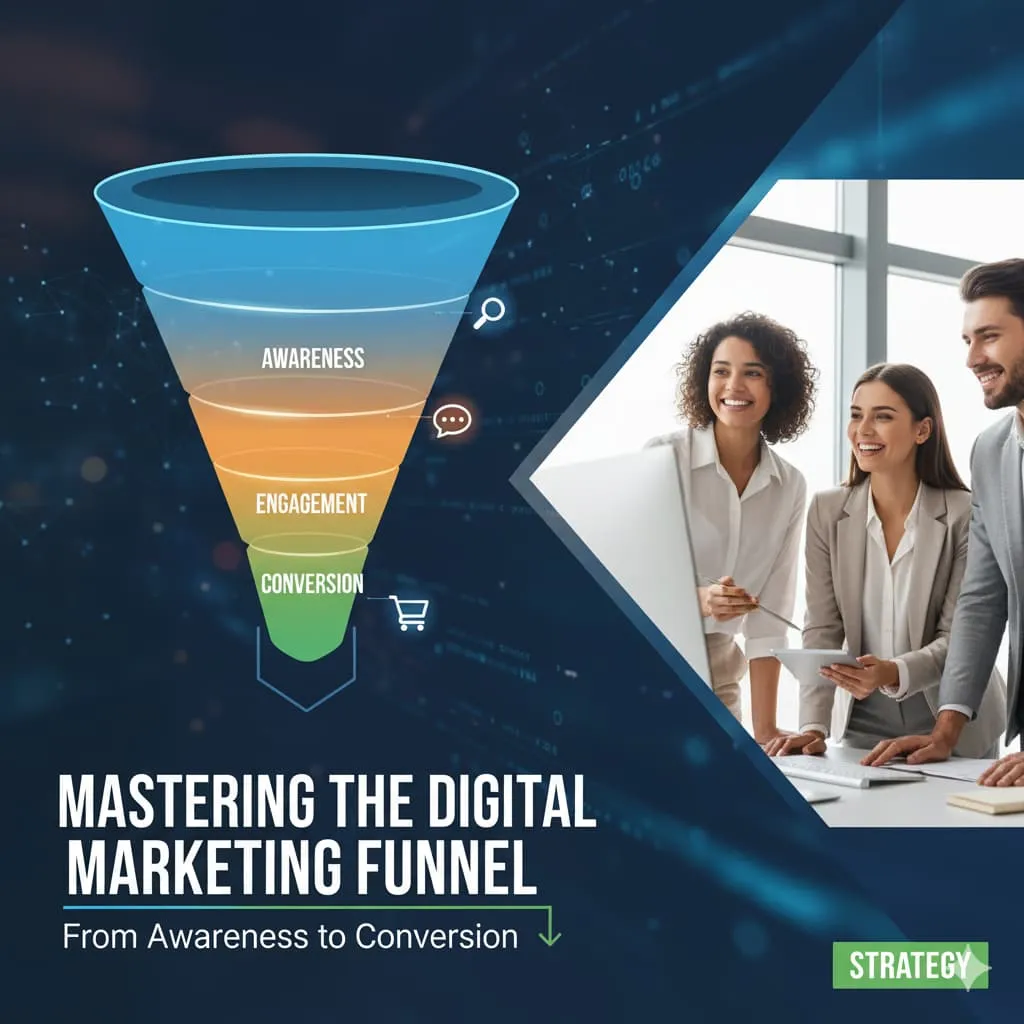
For example, if a customer has been browsing your website but hasn’t made a purchase, AI can predict what they might be interested in and show them relevant products or services. This can help to nudge them further down your marketing funnel. Similarly, AI can be used to predict when a customer is likely to churn.
This allows you to intervene and prevent it from happening, which can save you from losing a customer. Moreover, implementing strategic payment recovery methods can further enhance customer retention by addressing potential billing issues before they lead to churn.
3. Using predictive lead scoring to qualify leads
Lead scoring is a crucial part of the sales process. It allows your sales team to prioritize leads who are most likely to convert, and it helps them to better understand which leads they should be spending their time on. However, traditional lead scoring methods can be time-consuming and inaccurate.
AI can help to automate the lead scoring process, and it can be used to analyze data from a wide range of sources to help you identify which leads are most likely to convert. This can help you to personalize your marketing funnels by ensuring that your sales team is focusing on the right leads.
4. Automatically sending personalized emails to your leads
Email marketing is one of the most effective ways to convert leads into customers, but it can be time-consuming to create personalized email campaigns. Luckily, AI and marketing automation can help with that. Luckily, AI can help with that too.
By using AI to analyze your leads’ behavior and interests, you can automatically segment your email list and create personalized email campaigns that are tailored to each segment. This will help you increase your open and click-through rates, and ultimately, convert more leads into customers.
5. Creating personalized ad campaigns
You can also use AI to create personalized ad campaigns. By analyzing your target audience’s data, AI algorithms can help you identify the best keywords and ad copy to use. This ensures that your ad campaigns are as effective as possible. AI can also help you identify the best times and places to run your ad campaigns. This can help you maximize your reach and get your message in front of the right people.
6. Using chatbots to provide personalized support
Chatbots and AI avatars have become a staple in SaaS marketing. They’re used to provide quick answers to common questions, and they can also be used to provide personalized support. In many modern SaaS environments, these systems function as intelligent AI agents — capable of understanding context, adapting responses, and learning from each interaction to improve the overall customer experience.
For example, you can use chatbots to ask customers what they’re looking for and then provide them with personalized recommendations. You can also use chatbots to ask customers about their experiences with your product and then use that feedback to provide personalized support. By using chatbots to provide personalized support, you can increase customer satisfaction and loyalty. This can help you to increase customer lifetime value and reduce churn, which are two key metrics for SaaS businesses.
7. Creating personalized landing pages
When you create a new product, you’ll need to build a landing page to promote it. You may also want to create a unique landing page for each of your target audiences.
Landing pages are a great way to capture leads and drive traffic to your website. But building multiple landing pages can be time-consuming, and it’s not always easy to know what type of content will resonate with your audience. You can also explore tools like an investor-ready pitch deck creator to easily design professional and visually consistent presentations that align with your personalized campaigns This is where AI can help. AI tools can analyze your target audience and use that data to create personalized landing pages that will resonate with them.
For example, if you’re targeting a younger audience, you might want to use bright colors and bold fonts on your landing page. If you’re targeting an older audience, you might want to use more muted colors and a more traditional font.
8. Predicting the best time to contact a lead
When you get a new lead, you want to contact them as soon as possible. But what if you could do more than that? What if you could also predict the best time to contact them?
With AI, you can. AI can analyze a lead’s behavior and use that information to predict the best time to contact them. This can help you increase your chances of converting leads into customers.
9. Personalizing your product based on user behavior
What if you could customize your SaaS product based on how your users behaved in your marketing funnel?
With AI, you can.
This is a more advanced personalization strategy, but it’s also a very effective one.
You can create a personalized onboarding experience for your users based on the data you’ve collected about them in your marketing funnel. This will help you increase your activation rate and decrease your churn rate, which will ultimately help you grow your SaaS business.
You can also use AI to personalize your product based on how your users interact with it.
For example, you can use AI to identify which features of your product are most important to your users and then personalize their experience by highlighting those features. This will help you increase your user engagement and retention, which will ultimately help you grow your SaaS business.
Conclusion
In conclusion, AI plays a critical role in personalizing your SaaS marketing funnel. It will help you understand your audience better and enable you to cater to their specific needs, thus helping you build a loyal customer base.



























Sign in to leave a comment.