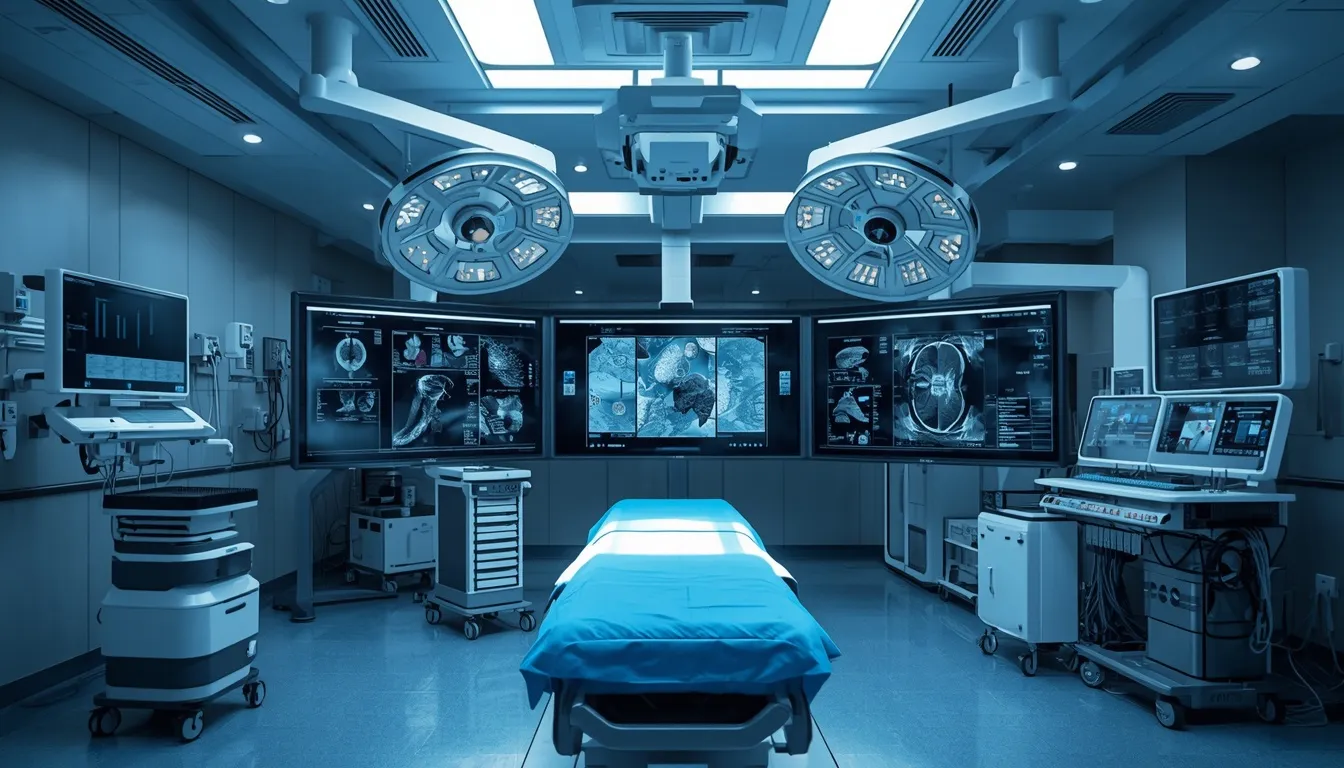

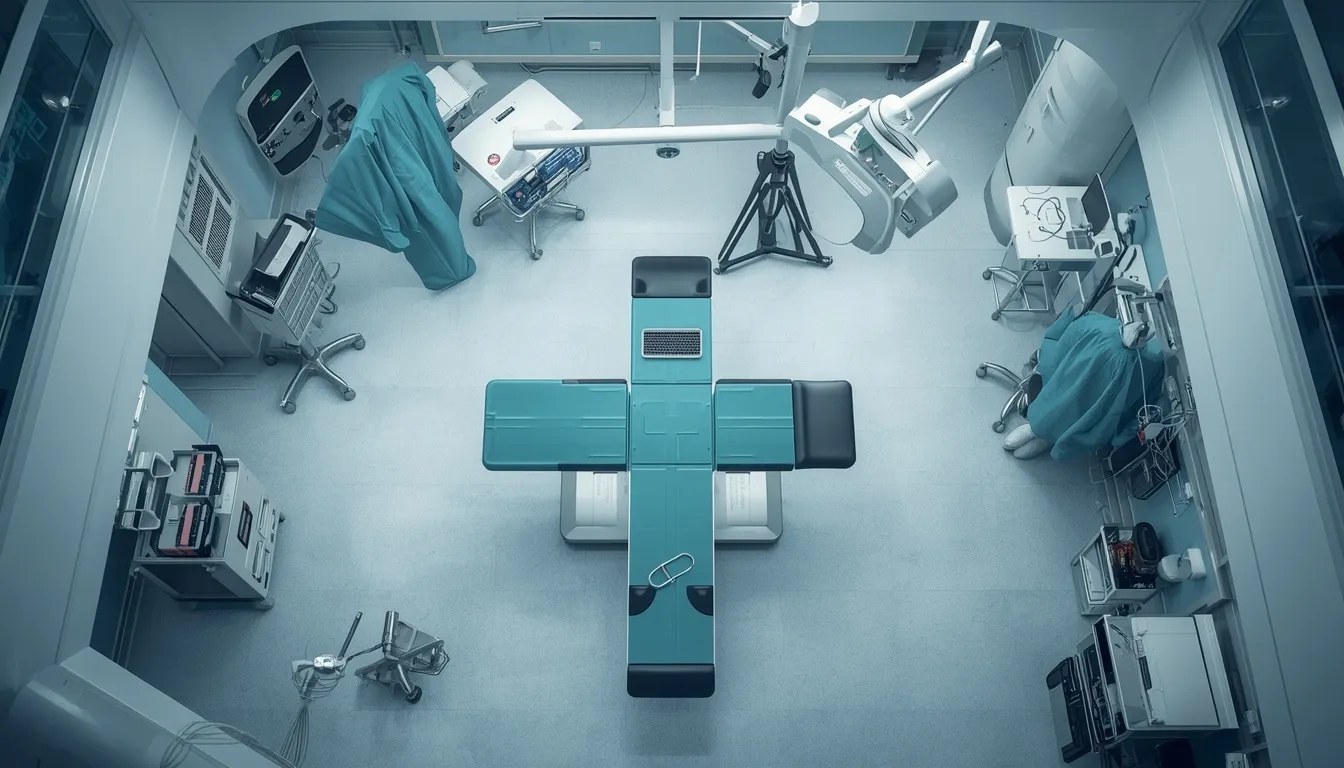
An operating room is only as efficient as the equipment it uses. While advanced surgical instruments and imaging systems often take the spotlight, one piece of equipment quietly supports every procedure—the operating table.
From patient positioning to surgeon comfort, the right surgical table can significantly influence workflow, safety, and procedural efficiency. As hospitals expand their surgical capabilities and adopt new technologies, selecting the right table has become an important investment rather than a simple purchasing decision.
With numerous options available in the market, understanding what to look for can help hospitals choose a system that meets both current and future clinical requirements.
Why the Operating Table Matters
Every surgery begins with proper patient positioning.
Whether the procedure is a routine general surgery or a highly complex neurosurgical intervention, the patient must be positioned safely and accurately to provide surgeons with the best possible access to the surgical site.
A high-quality Operation theatre table in india is designed to support this requirement by offering flexibility, stability, and precise positioning adjustments.
Poor positioning can lead to:
- Increased procedure time
- Difficulty accessing the surgical site
- Surgeon discomfort
- Workflow disruptions
- Potential patient safety concerns
This is why hospitals increasingly view the operating table as one of the most important components of a modern operating room.
Understanding Your Hospital's Requirements
Before comparing specifications and features, hospitals should first assess their clinical needs.
Questions to consider include:
- What types of surgeries are performed most frequently?
- Does the hospital handle multiple specialties?
- Are minimally invasive procedures increasing?
- Will the table need to support imaging systems?
The answers to these questions often determine which features should be prioritized.
A facility performing mostly general surgeries may have different requirements than a hospital specializing in orthopedic or cardiovascular procedures.
Consider Multi-Specialty Compatibility
Modern hospitals rarely purchase equipment for a single application.
Most facilities prefer equipment that can support a wide range of procedures and adapt to changing surgical demands.
A versatile operating table should accommodate specialties such as:
- General surgery
- Gynecology
- Orthopedics
- Urology
- Neurosurgery
- Laparoscopic procedures
Multi-specialty capability improves equipment utilization and helps hospitals maximize their investment.
Evaluate Positioning Capabilities
One of the most important factors when selecting an operating table is positioning flexibility.
Different procedures require different patient positions, including:
- Trendelenburg
- Reverse Trendelenburg
- Lateral tilt
- Height adjustment
- Flex and reflex positioning
The ability to make smooth and precise adjustments can significantly improve workflow and support surgical precision.
Modern systems often allow these adjustments to be made quickly and accurately, reducing delays during procedures.
Manual, Semi-Automatic, or Fully Automatic?
Hospitals today have several choices when it comes to operating table technology.
Traditional manual tables are still used in some facilities, but many hospitals are increasingly investing in motorized solutions.
A best Operation theatre table offers several advantages, including:
- Faster positioning adjustments
- Greater precision
- Reduced physical effort for staff
- Improved workflow efficiency
- Better ergonomics for surgeons
As operating rooms become more technology-driven, automated systems are becoming increasingly popular among healthcare facilities seeking long-term efficiency.
Consider Weight Capacity and Stability
Patient demographics continue to evolve, and hospitals need equipment that can safely accommodate a wide range of patients.
Weight capacity should therefore be an important part of the evaluation process.
Equally important is table stability.
Even minor movement during delicate procedures can create challenges for surgeons.
A stable operating platform contributes to:
- Improved precision
- Greater surgeon confidence
- Enhanced patient safety
- Better support for complex procedures
Hospitals should carefully review both weight capacity and structural design before making a purchasing decision.
Imaging Compatibility Is Becoming Essential
Modern surgery increasingly relies on imaging technologies such as:
- C-arms
- Fluoroscopy systems
- Navigation platforms
- Intraoperative imaging devices
Because of this, operating tables should be compatible with advanced imaging requirements.
Radiolucent tabletops and unobstructed imaging access have become valuable features in many healthcare settings.
Hospitals performing minimally invasive and image-guided procedures should pay particular attention to imaging compatibility during the evaluation process.
Ease of Use Matters
Sophisticated technology is only valuable if it can be used efficiently.
An operating table should have:
- Intuitive controls
- Easy positioning adjustments
- User-friendly interfaces
- Smooth movement mechanisms
Equipment that is difficult to operate can slow down procedures and increase staff frustration.
Ease of use contributes directly to operating room efficiency and overall workflow.
Think Beyond the Table Itself
The operating room functions as an integrated environment where different technologies work together.
Hospitals should therefore consider how the table interacts with other equipment, including surgical lighting systems and imaging devices.
The relationship between best Operation theatre table in india is particularly important because patient positioning directly affects how effectively the surgical field can be illuminated.
A well-coordinated setup allows surgeons to maintain optimal visibility throughout the procedure.
As operating rooms become increasingly connected, equipment compatibility is becoming a key purchasing consideration.
Reliability and Service Support
An operating table is a long-term investment.
Hospitals depend on equipment that can perform reliably under demanding conditions.
When evaluating different options, buyers should consider:
- Product reliability
- Availability of spare parts
- Preventive maintenance support
- Service response times
- Manufacturer reputation
Reliable equipment reduces downtime and helps ensure uninterrupted surgical operations.
Strong after-sales support is often just as important as the technical features of the table itself.
Future-Proofing Your Investment
Healthcare technology continues to evolve rapidly.
Hospitals should choose equipment that can adapt to future needs rather than simply meeting today's requirements.
Questions to consider include:
- Can the table support future surgical technologies?
- Is it compatible with digital operating room systems?
- Can accessories be added later?
- Will it support emerging surgical techniques?
A future-ready approach helps maximize the value of the investment over time.
The Final Decision
Selecting the right operating table involves balancing multiple factors, including:
- Clinical requirements
- Specialty applications
- Ease of use
- Imaging compatibility
- Reliability
- Long-term value
The lowest-cost option is not always the most cost-effective choice in the long run.
Hospitals should focus on finding a solution that improves efficiency, supports clinical excellence, and adapts to evolving surgical demands.
Conclusion
An operating table is much more than a surface that supports a patient during surgery. It is a critical component that influences positioning, workflow, surgeon comfort, and procedural efficiency.
Whether evaluating a versatile Operation theatre table, considering the benefits of a fully automatic ot table, or assessing the relationship between Operation theatre table and lighting, healthcare facilities should take a comprehensive approach to the purchasing process.
By carefully considering current requirements and future needs, hospitals can invest in equipment that supports better surgical performance, improves operating room efficiency, and ultimately contributes to better patient care.

























Sign in to leave a comment.