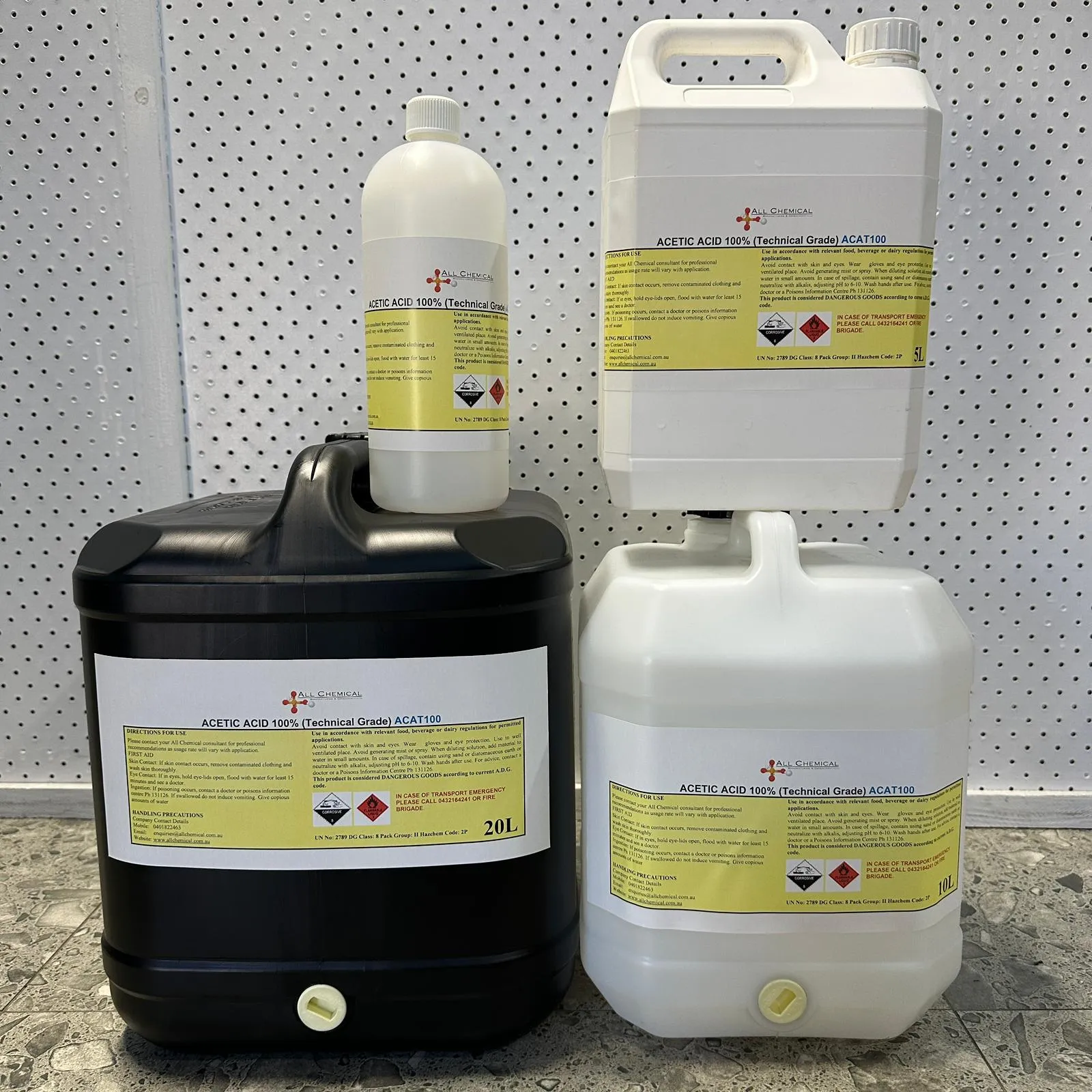

Introduction
Acetic acid technical grade is an industrial form of ethanoic acid used in chemical production, surface treatment, textile work, coatings, cleaning formulations, and water treatment. Its usefulness depends on concentration, moisture content, trace contaminants, packaging, and equipment compatibility. Selecting the right specification requires more than checking the product name. Purchasing teams must connect laboratory data with process demands, worker protection, storage conditions, and waste controls before approving a supply.
1. What Is Acetic Acid Technical Grade?
Acetic acid technical grade is an industrial ethanoic acid product, represented by the formula CH3COOH. Its molar mass is 60.05 grams per mole. Commercial material may contain water, formic acid, aldehydes, chlorides, or metallic traces. Buyers reviewing the product should compare concentration, moisture, appearance, density, and stated impurity limits. Those details influence reaction control, corrosion exposure, dilution requirements, finished-product quality, and overall operating cost.
2. Key Physical Properties
Pure acetic acid freezes at about 16.6°C and boils near 117.9°C. It is a clear, colourless liquid with a sharp, penetrating odour. The substance mixes with water, alcohols, and many organic solvents. Density varies with concentration, which affects tank volume, dosing calculations, and shipment weight. Process engineers should use supplier data rather than relying on a general reference value.
3. Chemical Characteristics
In water, acetic acid behaves as a weak organic acid. Concentrated liquid can still cause severe burns and eye damage. It reacts with bases, carbonates, selected metals, and strong oxidising agents. Such reactions may release heat, gas, or corrosive vapours. Compatibility testing should cover tanks, pumps, valves, gaskets, hoses, and transfer lines before installation or routine use.
4. Common Concentration Levels
Technical products are available in strengths such as 30%, 50%, 80%, and 99%. Near-glacial material contains minimal water and demands closer control during storage and transfer. Diluted solutions commonly support pH adjustment or cleaning operations. Stronger grades suit synthesis, acetate production, and solvent duties. Every purchase should confirm assay, water content, density, and accepted impurity levels.
5. Industrial Applications
Acetic acid supports acetate manufacture, vinyl acetate monomer production, cellulose acetate processing, dye preparation, adhesives, and textile treatment. Water treatment plants may use diluted solutions for pH correction. Cleaning formulations rely on its ability to dissolve mineral deposits and some inorganic residues. Food processing requires a food-grade designation, even when the underlying compound has the same chemical identity.
6. Selecting the Correct Grade
A certificate of analysis should list assay, density, colour, moisture, acidity, and relevant trace contaminants. Production staff should compare those results with internal acceptance limits. Packaging type, batch size, delivery temperature, shelf life, and transport classification also deserve review. A cheaper material may increase costs if additional dilution, filtration, equipment maintenance, or waste treatment becomes necessary.
7. Storage Requirements
Storage areas should be cool, dry, ventilated, and protected from direct sunlight. Containers need secure closures whenever material is not being dispensed. Suitable construction may include selected stainless steels, high-density polyethylene, or approved fluoropolymer components. Carbon steel, copper, and certain elastomers can deteriorate, particularly after prolonged contact with concentrated liquid. Written inspections help identify swelling, pitting, leaks, or damaged seals.
8. Safe Handling Practices
Personnel should wear chemical-resistant gloves, protective eyewear, suitable garments, and face protection where splashing could occur. Local ventilation can reduce vapour exposure during pouring, sampling, or transfer. Concentrated acid should enter water slowly, with agitation and temperature control, because rapid mixing produces heat. Eyewash units, emergency showers, spill materials, and response instructions must remain accessible.
9. Transport and Packaging
Shipment format depends on concentration, volume, container type, and applicable transport rules. Industrial deliveries may use approved drums, intermediate bulk containers, or tankers. Each package should display chemical identity, concentration, hazard information, batch details, and supplier contact data. Damaged containers require isolation and assessment before movement. Transport staff should follow loading, securing, segregation, and emergency procedures.
10. Environmental and Waste Issues
Acetic acid can reduce water pH and harm aquatic organisms at elevated concentrations. Spills should be contained before reaching drains, soil, or surface water. Waste treatment depends on concentration, quantity, contamination, and local rules. Neutralisation requires controlled addition, suitable ventilation, and temperature monitoring. Alkaline materials can generate heat during contact, creating splash and pressure hazards.
11. Purchasing Checklist
A purchase order should state concentration, grade, minimum assay, packaging, quantity, delivery terms, and certificate requirements. Safety documentation should arrive before shipment. Equipment owners can then verify material compatibility and transfer capacity. Clear specifications reduce substitutions, unsuitable deliveries, production interruptions, and avoidable disposal costs. Repeat orders should be checked against the approved formulation and current supplier documentation.
Conclusion
Acetic acid technical grade serves many industrial functions, yet safe performance depends on concentration, purity, compatibility, and controlled handling. Supplier certificates provide the measurements needed for sound selection. Proper ventilation, protective equipment, storage discipline, spill planning, and waste procedures reduce exposure and operational disruption. Matching chemical strength with process requirements helps facilities maintain reliable output without purchasing controls that exceed the application’s actual needs.




























Sign in to leave a comment.