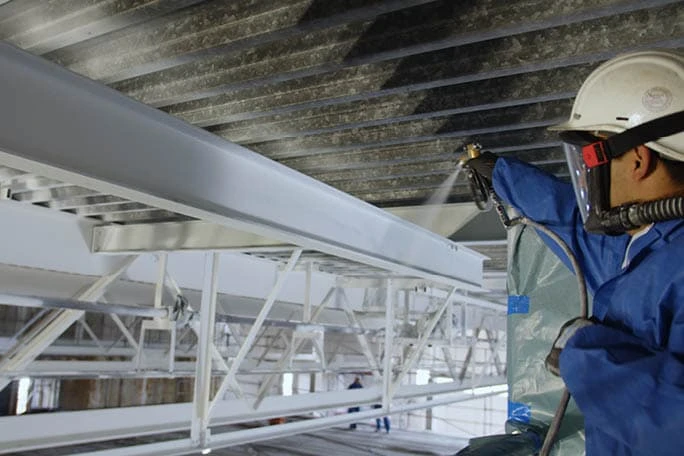

Fire safety is an essential aspect of building management, and one of the most effective ways to enhance fire protection is through the application of intumescent paint. This specialized coating expands when exposed to heat, creating a protective barrier that insulates structural elements from fire. However, the effectiveness of intumescent paint depends heavily on proper application and ongoing maintenance, which includes regular inspections. This article provides a comprehensive guide to the intumescent paint inspection process, detailing its importance, what it entails, and how to ensure compliance with fire safety regulations.
Understanding Intumescent Paint
Before delving into the inspection process, it’s essential to understand what intumescent paint is and its role in fire protection. Intumescent paint is designed to provide passive fire protection to structural elements like steel beams and wooden surfaces. When exposed to high temperatures, the paint expands and forms a thick char layer that insulates the underlying material, thereby delaying its structural failure during a fire.
The use of intumescent paint is governed by various fire safety regulations, making it crucial for property owners to ensure that the paint is applied correctly and maintained over time. This is where the inspection process plays a vital role.
Importance of Intumescent Paint Inspection
Regular inspections of intumescent paint are essential for several reasons:
1. Compliance with Regulations
Fire safety regulations often mandate inspections to ensure that fire protection measures are in place and functioning properly. Regular inspections help verify that the intumescent paint adheres to local building codes and standards, thereby protecting property owners from potential legal liabilities.
2. Assurance of Fire Safety
The primary purpose of intumescent paint is to enhance fire safety. Regular inspections help identify any deficiencies or damage to the coating, ensuring that the paint will perform as intended in the event of a fire. This proactive approach can save lives and minimize property damage.
3. Maintenance of Aesthetic Appeal
Intumescent paint can also serve a decorative purpose. Regular inspections can help maintain the aesthetic quality of the paint, ensuring that it remains visually appealing while still providing fire protection.
4. Long-term Cost Savings
Identifying issues early through regular inspections can lead to significant cost savings in the long run. Addressing minor problems promptly can prevent the need for extensive repairs or complete reapplications of intumescent paint, which can be costly.
The Intumescent Paint Inspection Process
The inspection process for intumescent paint typically involves several key steps, each designed to evaluate the condition and effectiveness of the coating. Here is a breakdown of the process:
1. Preliminary Assessment
The first step in the intumescent paint inspection process involves a preliminary assessment of the building and the areas where intumescent paint has been applied. Inspectors will review architectural plans and previous inspection reports to understand the specific requirements for the building.
During this assessment, inspectors will identify critical areas that require detailed evaluation, such as structural steel beams, wooden surfaces, and any other substrates protected by intumescent paint. This initial review helps establish a baseline for the inspection.
2. Visual Inspection
The next step is a thorough visual inspection of the surfaces coated with intumescent paint. Inspectors will look for signs of damage or deterioration, such as chipping, peeling, or discoloration. They will also assess the overall condition of the paint and check for any areas that may have been missed during application.
Visual inspections may also include checking for any environmental factors that could affect the paint’s performance. For instance, areas exposed to moisture or high levels of abrasion may require additional scrutiny.
3. Thickness Measurement
One of the critical aspects of the inspection process is measuring the thickness of the intumescent paint coating. The thickness of the paint is essential for its fire protection performance, as it directly correlates to the level of insulation provided during a fire.
Inspectors typically use specialized equipment such as electronic thickness gauges to measure the paint’s thickness accurately. These measurements should align with the manufacturer’s specifications and the required fire resistance rating.
4. Adhesion Testing
Adhesion is another critical factor in the effectiveness of intumescent paint. If the paint does not adhere properly to the substrate, it may fail to perform as intended during a fire event. Inspectors may conduct adhesion tests to evaluate the bond between the paint and the surface it is applied to.
Common methods for testing adhesion include the cross-cut test and the pull-off test. These tests help determine whether the paint is firmly attached to the substrate or if there are any areas of weakness that need to be addressed.
5. Assessment of Environmental Conditions
The conditions in which intumescent paint is applied and maintained can significantly impact its performance. During the inspection, inspectors will assess environmental factors such as temperature, humidity, and exposure to chemicals or pollutants.
If the building is located in an area with extreme weather conditions or high levels of pollution, additional measures may be necessary to ensure the longevity and effectiveness of the intumescent paint. Inspectors will make recommendations based on their findings to help maintain optimal conditions for the paint.
6. Documentation and Reporting
After completing the inspection, inspectors compile their findings into a comprehensive report. This report typically includes details about the condition of the intumescent paint, measurements taken, any deficiencies identified, and recommendations for corrective actions.
Documentation is crucial for maintaining compliance with fire safety regulations and for tracking the long-term performance of the intumescent paint. Property owners should keep these reports on file for reference during future inspections or audits.
Corrective Actions and Follow-Up
If deficiencies are identified during the inspection, it is essential to take corrective actions promptly. This may involve touch-ups, reapplication of the paint, or addressing underlying issues that could affect the paint’s performance.
Follow-up inspections should be scheduled based on the findings of the initial inspection. Regular maintenance and inspections are key to ensuring that the intumescent paint continues to provide effective fire protection over time.
Choosing the Right Inspector
Selecting a qualified inspector for the intumescent paint inspection process is critical. Look for professionals who have experience in fire protection and a thorough understanding of intumescent paint applications. Certifications from relevant industry organizations can also be indicators of expertise.
Additionally, it can be beneficial to choose inspectors who are familiar with local building codes and regulations. This knowledge ensures that inspections are conducted in compliance with all applicable standards, providing peace of mind for property owners.
Conclusion: Prioritize Fire Safety with Professional Inspections
In summary, the intumescent paint inspection process is a vital aspect of maintaining fire safety in buildings. Regular inspections help ensure that intumescent paint is applied correctly and continues to perform effectively over time. By understanding the inspection process and its importance, property owners can take proactive steps to enhance fire protection and compliance.
For those looking to ensure the highest standards of fire safety, TBL Fire Protection is here to assist. With a team of experienced professionals dedicated to excellence, TBL Fire Protection offers comprehensive solutions tailored to your fire safety needs. Don’t leave your safety to chance — contact us today to learn how we can help you achieve the highest levels of fire protection.




























Sign in to leave a comment.