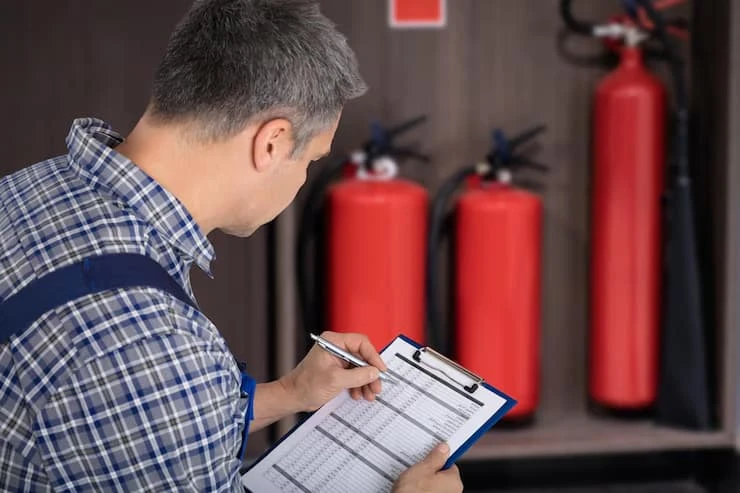

In an era where safety and compliance are paramount, fire protection survey services have emerged as a crucial component of risk management strategies for various establishments. These services encompass a comprehensive evaluation of a property's fire safety systems and protocols, ensuring adherence to regulations and enhancing the overall safety of the premises. Understanding the intricate components of fire protection survey services is essential for businesses looking to safeguard their assets, employees, and customers from the devastating impacts of fire incidents.
Understanding Fire Protection Survey Services
Fire protection survey services involve a detailed assessment of fire safety measures implemented within a building. This includes inspecting fire alarms, extinguishers, sprinkler systems, and emergency exits, among other critical elements. The primary objective of these surveys is to identify potential hazards, evaluate the effectiveness of existing fire protection systems, and ensure compliance with local, state, and federal fire safety codes.
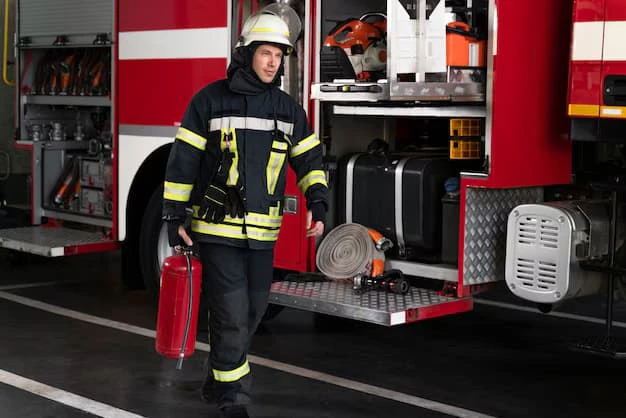
During a typical fire protection survey, trained professionals conduct an in-depth analysis of the building's layout, materials, and occupancy levels. They assess the adequacy of fire alarms and detection systems, ensuring they are properly calibrated and functional. Additionally, the survey examines the positioning and accessibility of fire extinguishers, checking that they are strategically placed and easily reachable in case of an emergency. This thorough approach not only identifies deficiencies but also provides actionable recommendations to enhance fire safety protocols.
The Importance of Compliance and Risk Management
One of the primary reasons why fire protection survey services are indispensable is their role in ensuring compliance with fire safety regulations. Various jurisdictions impose strict requirements regarding fire safety measures in commercial and residential properties. Failure to comply with these regulations can result in severe penalties, including fines or even the closure of a business. By engaging in regular fire protection surveys, establishments can mitigate the risk of non-compliance, ensuring they meet all necessary legal standards.
Moreover, these surveys contribute significantly to risk management. Fire incidents can lead to catastrophic consequences, including loss of life, property damage, and business interruption. The financial implications can be staggering, with estimates indicating that the average loss from a fire can reach into the millions. By identifying vulnerabilities through fire protection survey services, businesses can implement preventive measures that significantly reduce the likelihood of fire occurrences, safeguarding both their employees and their assets.
Components of a Comprehensive Fire Protection Survey
A well-rounded fire protection survey includes several key components that collectively enhance a property’s fire safety posture. These components encompass a mix of physical inspections, documentation reviews, and recommendations for improvements.
Physical Inspections
At the heart of any fire protection survey is the physical inspection of the property. This involves a meticulous examination of the building’s structure, fire protection systems, and emergency response protocols. Inspectors look for potential hazards such as flammable materials, blocked exits, and non-functional fire alarms. Each aspect is evaluated against established fire safety standards and guidelines, ensuring that the property is adequately protected.
Documentation Review
In addition to physical inspections, fire protection survey services also involve a thorough review of existing documentation related to fire safety practices. This may include previous inspection reports, maintenance records, and fire safety training logs. By analyzing these documents, surveyors can identify patterns or recurring issues, allowing for targeted interventions to address specific concerns.
Recommendations for Improvements
Once the inspections and documentation reviews are complete, surveyors compile their findings into a detailed report that outlines recommendations for improvement. These recommendations may involve upgrading fire protection systems, revising emergency response plans, or conducting additional training for staff. By providing a clear roadmap for enhancing fire safety measures, these reports empower businesses to take proactive steps toward mitigating fire risks.
The Role of Technology in Fire Protection Surveys
The landscape of fire protection survey services is continuously evolving, with technology playing an increasingly vital role. Modern surveyors are leveraging advanced tools and software to enhance the efficiency and accuracy of their assessments. For instance, the use of specialized software allows for real-time data collection and analysis, facilitating quicker decision-making and streamlined reporting processes.
Additionally, technologies such as drones and thermal imaging cameras are becoming commonplace in fire protection surveys. Drones can access hard-to-reach areas, providing an aerial view of the property and identifying potential hazards from unique perspectives. Meanwhile, thermal imaging can detect hidden heat sources, alerting surveyors to potential fire risks that may not be visible during a standard inspection. By embracing these technological advancements, fire protection survey services can offer more comprehensive assessments and actionable insights.
The Benefits of Regular Fire Protection Surveys
Engaging in regular fire protection survey services provides numerous benefits that extend beyond mere compliance. These assessments foster a culture of safety within organizations, instilling a sense of responsibility among employees and management alike. When staff members understand the importance of fire safety protocols, they are more likely to adhere to established guidelines, reducing the risk of accidents.
Moreover, regular surveys contribute to operational continuity. Businesses that prioritize fire safety are better positioned to respond effectively in the event of an emergency. This preparedness not only protects lives but also minimizes disruptions to operations, ensuring that organizations can continue to function smoothly even in the wake of a crisis.
Conclusion
In summary, fire protection survey services are a fundamental aspect of modern risk management strategies. They encompass a comprehensive evaluation of fire safety measures, ensuring compliance with regulations and enhancing overall safety. By understanding the components and importance of these surveys, businesses can take proactive steps to mitigate fire risks, safeguard their assets, and cultivate a culture of safety within their organizations.
For those seeking to enhance their fire safety measures, TBL Fire Protection offers expert fire protection survey services designed to meet the unique needs of your business. Don’t wait until it’s too late—contact TBL Fire Protection today and take the first step towards a safer tomorrow.

























Sign in to leave a comment.