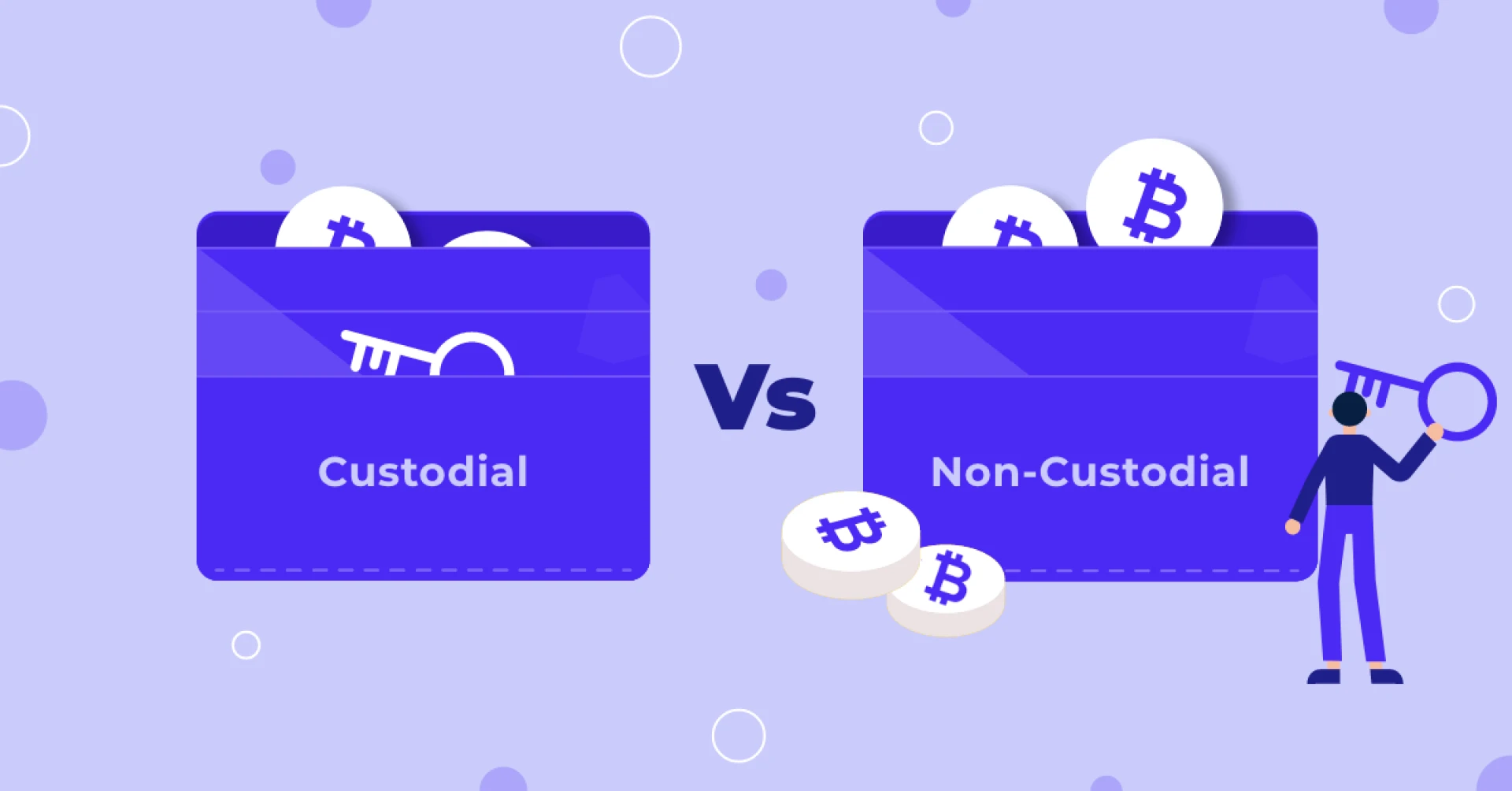

Looking to invest in cryptocurrencies? Then understanding the differences between custodial and non-custodial wallets is crucial. In this comprehensive guide, we will delve into the intricacies of these two types of wallets, helping you make informed decisions on how to securely store and manage your digital assets.
Understanding the basics: What is a custodial wallet?
A custodial wallet, also known as a hosted wallet, is a type of wallet where a third-party service provider holds and manages your private keys on your behalf. This means that you entrust your digital assets to a custodian, who is responsible for the security and safekeeping of your funds. When you use a custodial wallet, you typically create an account with the service provider, who generates a unique wallet address for you. This address is used to send and receive funds, and the service provider manages the private keys associated with that address.
Custodial wallets are often provided by centralized cryptocurrency exchanges or online wallet services. They offer convenience and ease of use, as the service provider takes care of all the technical aspects of wallet management. However, they also come with certain risks and limitations, which we will discuss in the next section.
Pros and cons of using a custodial wallet
Pros:
Convenience: With a custodial wallet, you don't have to worry about managing your private keys or dealing with the technical complexities of wallet security. The service provider takes care of everything for you, making it a hassle-free option, especially for beginners.User-friendly: Custodial wallets often have intuitive user interfaces, making them easy to navigate and use. They are designed to simplify the process of sending, receiving, and storing cryptocurrencies, making them accessible to a wide range of users.Customer support: Most custodial wallet providers offer customer support, which can be helpful if you encounter any issues or have questions regarding your wallet or transactions.Cons:
Lack of control: When using a custodial wallet, you are essentially entrusting your funds to a third-party service provider. This means that you don't have full control over your private keys, and if the service provider experiences a security breach or shuts down, you may lose access to your funds.Security risks: While custodial wallet providers implement security measures to protect your funds, they are still vulnerable to hacking and other security breaches. If a hacker gains access to the service provider's systems, they could potentially steal your funds. Additionally, if you forget your account credentials or become a victim of phishing attacks, you may also risk losing your funds.Privacy concerns: When using a custodial wallet, you often have to provide personal information to the service provider, such as your name, email address, and sometimes even identification documents. This raises privacy concerns, as your personal information could be at risk of being compromised or used for other purposes without your consent.Read Also:- What is NFT And How NFT Marketplace App Works | Detailed Guide
Understanding the basics: What is a non-custodial wallet?
A non-custodial wallet, also known as a self-hosted wallet or a hardware wallet, gives you full control over your private keys. Unlike custodial wallets, where a third-party service provider manages your keys, non-custodial wallets store your private keys locally on your device or a physical hardware device. This means that you are solely responsible for the security and safekeeping of your funds. Non-custodial wallets come in various forms, including desktop wallets, mobile wallets, and hardware wallets.
Non-custodial wallets are considered more secure and private compared to custodial wallets, as you have complete control over your funds and are not reliant on a third-party service provider. However, they also require a higher level of technical expertise and responsibility, which we will discuss further in the next section.
Pros and cons of using a non-custodial wallet
Pros:
Control over private keys: With a non-custodial wallet, you have full control and ownership of your private keys. This means that you are the sole custodian of your funds and can access them anytime, anywhere, without relying on a third-party service provider.Enhanced security: Non-custodial wallets offer a higher level of security compared to custodial wallets. Since your private keys are stored locally on your device or a physical hardware device, they are less susceptible to hacking or other security breaches. Additionally, you can implement additional security measures, such as encryption and multi-factor authentication, to further protect your funds.Privacy: Non-custodial wallets often require minimal personal information, if any, during the setup process. This means that you can maintain a higher level of privacy and reduce the risk of your personal information being compromised or used for other purposes.Cons:
Technical complexity: Non-custodial wallets require a certain level of technical expertise to set up and use. You need to ensure the security of your device, regularly update your wallet software, and keep backups of your private keys. This can be daunting for beginners or those who are not familiar with the technical aspects of cryptocurrency wallets.Risk of losing access: Since you are solely responsible for the security and safekeeping of your funds, there is a risk of losing access to your wallet if you forget your private keys or lose your device or hardware wallet. It is essential to keep backups and follow best security practices to mitigate this risk.Limited customer support: Non-custodial wallet providers may offer limited or no customer support, as the responsibility for wallet management lies with the user. If you encounter any issues or have questions, you may have to rely on online resources or forums for assistance.Security and control: Comparing custodial and non-custodial wallets
When it comes to security and control, custodial and non-custodial wallets offer different levels of protection and ownership. Custodial wallets provide convenience and ease of use, but they come with the risk of losing control over your funds and potential security breaches. On the other hand, non-custodial wallets give you complete control and ownership of your funds, but they require a higher level of responsibility and technical expertise.
It's essential to assess your own risk tolerance and security requirements when choosing between custodial and non-custodial wallets. If you prioritize convenience and are comfortable relying on a third-party service provider, a custodial wallet may be suitable for you. However, if you value control, security, and privacy, a non-custodial wallet is the way to go.
Differences in user experience: Ease of use, accessibility, and features
Custodial and non-custodial wallets offer different user experiences, each with its own set of advantages and limitations. Custodial wallets are designed to be user-friendly and accessible to a wide range of users, including beginners. They often have intuitive user interfaces, making it easy to navigate and perform basic wallet functions, such as sending and receiving funds. Additionally, custodial wallets may offer additional features, such as built-in exchange services or integration with other platforms, to enhance the user experience.
Non-custodial wallets, on the other hand, may have a steeper learning curve, especially for those who are new to cryptocurrencies. They require users to take more responsibility for wallet management and security. However, they also offer more flexibility and customization options. Non-custodial wallets often allow users to choose from a wide range of wallet software or hardware devices, each with its own unique features and capabilities. This enables users to tailor their wallet experience based on their specific needs and preferences.
Key considerations when choosing between custodial and non-custodial wallets
When choosing between custodial and non-custodial wallets, there are several key considerations to keep in mind:
Security: Consider the level of security offered by each type of wallet. Assess the security measures implemented by custodial wallet providers and the security features available in non-custodial wallets. Choose a wallet that aligns with your security requirements and risk tolerance.Control and ownership: Determine how much control and ownership you want over your funds. If you prefer full control and ownership, a non-custodial wallet is the way to go. If convenience and ease of use are more important to you, a custodial wallet may be suitable.User experience: Evaluate the user experience of different wallet options. Consider factors such as ease of use, accessibility, and available features. Choose a wallet that suits your level of technical expertise and offers a user interface that you find intuitive and user-friendly.Privacy: Consider the privacy implications of using a custodial or non-custodial wallet. Assess the personal information required by custodial wallet providers and the privacy features offered by non-custodial wallets. Choose a wallet that aligns with your privacy preferences.Popular custodial wallet providers
When it comes to custodial wallets, several popular service providers dominate the market. Here are some of the most well-known custodial wallet providers:
Coinbase: Coinbase is a leading cryptocurrency exchange that offers a custodial wallet service. It is known for its user-friendly interface and strong security measures.Binance: Binance is another popular cryptocurrency exchange that provides a custodial wallet service. It offers a wide range of cryptocurrencies and advanced trading features.Kraken: Kraken is a well-established cryptocurrency exchange that offers a custodial wallet service. It is known for its robust security measures and high liquidity.These are just a few examples of custodial wallet providers. It's essential to conduct thorough research and compare different options to find the one that best suits your needs.
Popular non-custodial wallet providers
If you're considering a non-custodial wallet, there are several popular providers to choose from. Here are some of the most widely used non-custodial wallet options:
Ledger: Ledger is a renowned hardware wallet provider that offers a range of secure and user-friendly hardware wallet devices. It is known for its robust security features and compatibility with various cryptocurrencies.Trezor: Trezor is another well-known hardware wallet provider that offers a wide range of hardware wallet devices. It is praised for its user-friendly interface and enhanced security measures.Exodus: Exodus is a popular desktop and mobile wallet that supports multiple cryptocurrencies. It offers a sleek and intuitive user interface, making it suitable for beginners.These are just a few examples of non-custodial wallet providers. It's important to research and compare different options to find the one that best meets your needs and preferences.
Read Also:- Top Mobile App Development Trends
Conclusion: Choosing the right wallet for your needs
When it comes to storing and managing your digital assets, choosing the right wallet is essential. Understanding the differences between custodial and non-custodial wallets is crucial in making an informed decision. Custodial wallets offer convenience and ease of use but come with certain risks and limitations. Non-custodial wallets provide enhanced security and control but require a higher level of responsibility and technical expertise.
Consider your security requirements, control and ownership preferences, user experience expectations, and privacy concerns when choosing between custodial and non-custodial wallets. Thoroughly research popular wallet providers and compare their features and offerings. By doing so, you can find the wallet that best suits your needs and ensures the secure storage and management of your digital assets.



















Sign in to leave a comment.