When we think of Hawaii, images of pristine beaches, swaying palm trees, and turquoise waters immediately spring to mind. However, beyond its natural beauty lies a cultural richness that has been carefully preserved and nurtured for centuries. One of the most profound expressions of this culture is Hawaiian art, a vibrant and meaningful tapestry of traditions, stories, and spirituality. From ancient petroglyphs to modern interpretations on canvas and in sculpture, Hawaiian art offers a window into the soul of the islands and the people who call them home.
In this article, we’ll explore the roots of Hawaiian artistic expression, its evolution, and how it continues to thrive and inspire in today's world.
The Origins of Hawaiian Art: A Legacy Carved in Stone
The earliest examples of Hawaiian art can be traced back to petroglyphs, which are rock carvings made by ancient Hawaiians using sharp stones. These petroglyphs, known as "ki‘i pōhaku," were often etched into lava rock and can still be found across the islands today. They depict various figures including people, animals, and symbolic motifs, providing insight into the lives, beliefs, and events that shaped early Hawaiian society.
Another foundational form of Hawaiian art was kapa making, a traditional fabric crafted from the bark of the wauke (paper mulberry) tree. Kapa was used for clothing, blankets, and ceremonial purposes. Artisans would beat the bark until it was thin and soft, then decorate it with natural dyes and intricate patterns using carved bamboo stamps.
These early art forms were not merely decorative—they were essential elements of communication, storytelling, and religious observance. Every symbol, shape, and texture held a deeper meaning, reflecting the close relationship between the Hawaiian people, their gods, and the natural world around them.
Hula: The Living Canvas of Hawaiian Expression
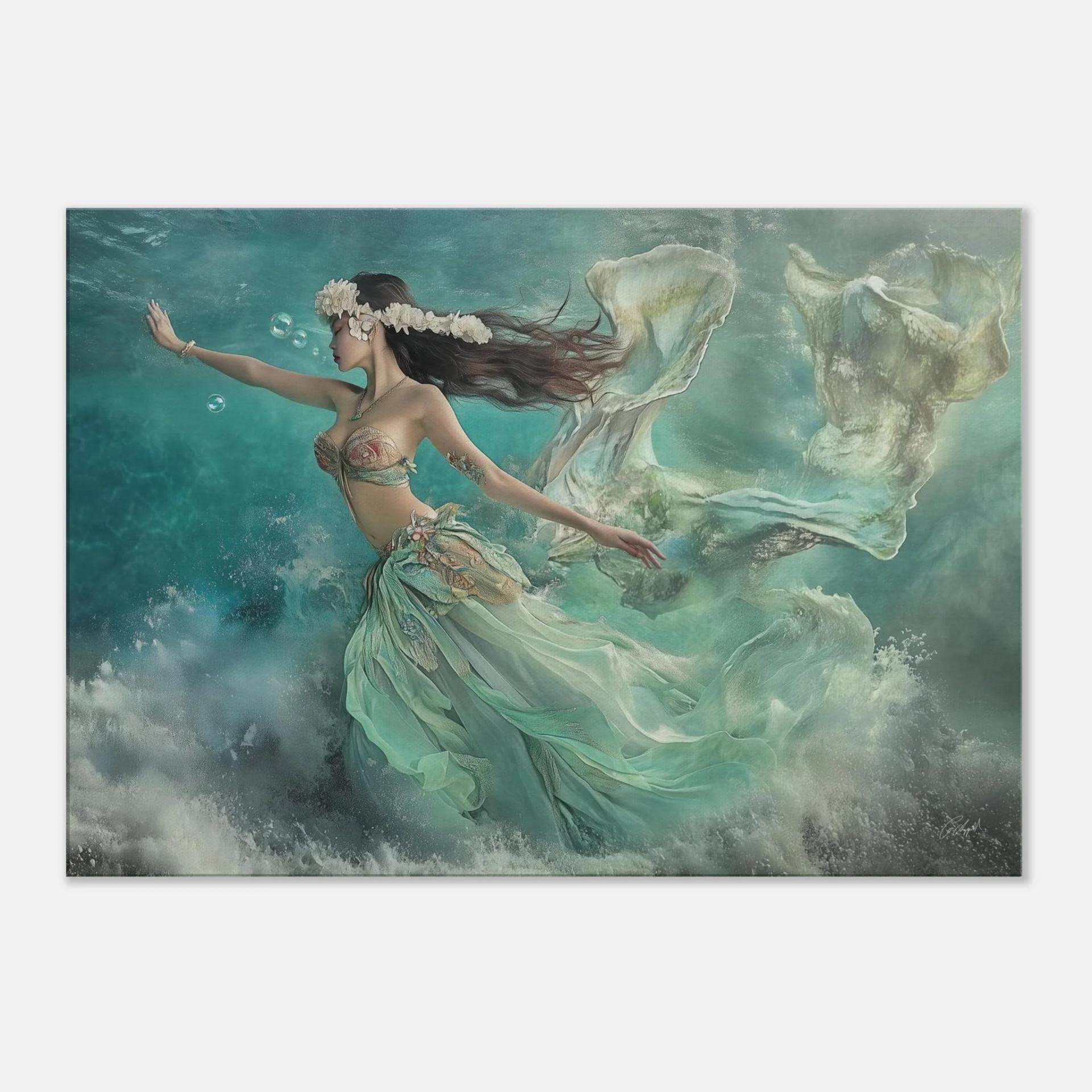
While many might think of dance as separate from art, hula is an integral part of Hawaiian artistic heritage. Often described as the “heartbeat of the Hawaiian people,” hula combines movement, music, and storytelling into a dynamic form of visual art. Dancers use hand gestures, body language, and rhythmic steps to depict tales of love, war, mythology, and the natural world.
Costumes worn during hula performances, including leis, featherwork, and dyed kapa, are themselves masterpieces of Hawaiian art. These garments are handcrafted using traditional methods and materials, passed down from generation to generation. Hula, therefore, serves as both a performance and a showcase of Hawaiian craftsmanship.
The Influence of Western Contact and the Emergence of New Forms
The arrival of Western explorers, missionaries, and settlers in the late 18th century brought significant changes to Hawaiian culture, including its art. Many traditional practices were suppressed or altered to align with Western values. However, this period also introduced new materials, techniques, and perspectives that would influence Hawaiian artists for years to come.
During the 19th and 20th centuries, Hawaiian artists began to blend traditional themes with Western artistic methods. Painting, sculpture, and photography emerged as new platforms for storytelling. Artists such as Madge Tennent, known for her large-scale, expressive paintings of Hawaiian women, helped to redefine Hawaiian identity through visual art.
Contemporary Hawaiian Art: Tradition Meets Innovation
Today, Hawaiian art is more dynamic than ever. Contemporary Hawaiian artists are exploring new mediums while remaining deeply rooted in their heritage. Many artists focus on environmental themes, social justice, and cultural revival—bringing ancient wisdom into modern conversations.
One prominent example is Solomon Enos, a Native Hawaiian artist whose work spans painting, illustration, and public murals. His art draws on Hawaiian mythology, history, and cosmology, often reimagined through a futuristic lens. Another influential figure is Sig Zane, whose textile designs are inspired by native plants and the Hawaiian language, blending tradition with fashion-forward aesthetics.
Art galleries across Hawaii, such as the Honolulu Museum of Art and the Bishop Museum, offer curated exhibitions that celebrate both historic and contemporary Hawaiian artistry. Public art projects and community workshops also play a vital role in keeping traditional crafts alive, from lauhala weaving to wood carving and lei-making.
Hawaiian Art in the Global Spotlight
As interest in indigenous art grows worldwide, Hawaiian art is gaining international recognition. Exhibitions in major cities, collaborations with global brands, and features in prestigious art fairs are helping to elevate Hawaiian voices and artistry on the world stage.
However, with this increased attention comes a responsibility to preserve authenticity and respect cultural context. Many Native Hawaiian artists and cultural advocates emphasize the importance of representation and ethical engagement, ensuring that the stories and symbols portrayed in their work remain true to their origins.
Tourists visiting the islands are encouraged to support local artisans by purchasing authentic Hawaiian art directly from artists or through certified cultural institutions. This not only ensures the integrity of the work but also helps sustain the local creative economy and preserve cultural knowledge for future generations.
Embracing the Spirit of Aloha Through Art
At its core, Hawaiian art is an embodiment of the spirit of aloha—an all-encompassing love, respect, and connection to the land, people, and traditions. Whether it’s a hand-woven lei, a tattoo symbolizing ancestral ties, or a mural depicting the legends of Pele and Hi‘iaka, every piece of Hawaiian art carries a story worth discovering.
For those who wish to deepen their appreciation of Hawaiian culture, immersing oneself in the local art scene is an enriching experience. From visiting museums and galleries to participating in cultural festivals and workshops, there are countless opportunities to witness the living legacy of Hawaii’s artistic heritage.
In a world that often values speed and mass production, Hawaiian art offers a reminder to slow down, connect, and create with intention. It is a celebration of the past, a reflection of the present, and a promise to the future—etched not just in stone or paint, but in the heart of a people who continue to share their paradise through art.




























Sign in to leave a comment.