
Introduction
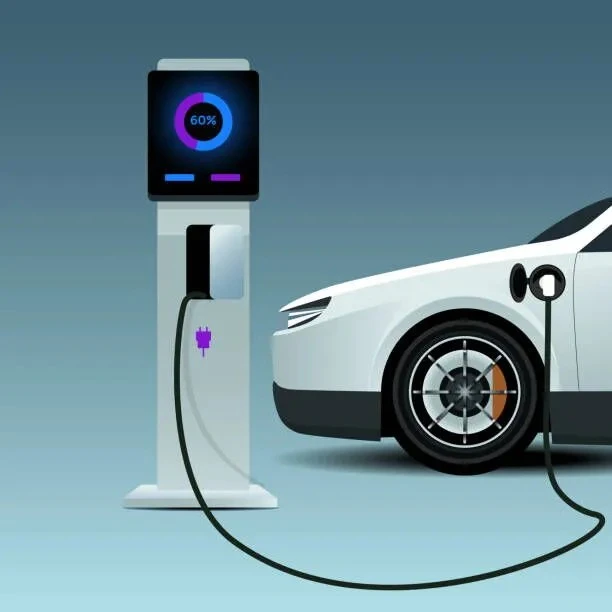
As electric vehicles (EVs) continue to gain popularity, the demand for efficient and convenient charging solutions is increasing. There are two main types of EV chargers available: AC (Alternating Current) chargers and DC (Direct Current) chargers. Each offers its own set of advantages and is suitable for different needs. In this article, we will explore the differences between AC and DC EV chargers, helping you understand which one is best for your specific requirements.
What is an AC EV Charger?
AC (Alternating Current) power is the type of electrical current where the flow of charge periodically reverses direction. AC power is commonly used in most power grids because it can be efficiently transmitted over long distances. It is also generated by renewable energy sources like wind and hydroelectric power.
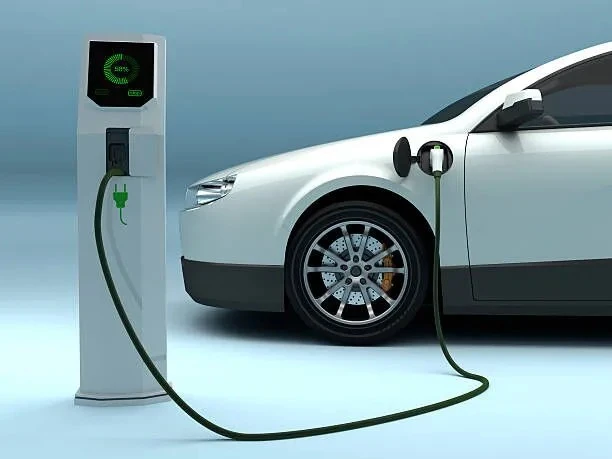
When it comes to EV charging, AC chargers are typically used in residential settings or public charging stations. These chargers convert AC power from the grid into DC power through the vehicle's onboard charger, which then powers the battery. AC chargers tend to be slower because of the conversion process. However, they are ideal for overnight charging or when the vehicle is parked for extended periods.
What is a DC EV Charger?
DC (Direct Current) is a type of electrical current that flows in one direction. Unlike AC, DC power provides a constant, unidirectional flow of electricity, which makes it ideal for applications like energy storage and electronics.
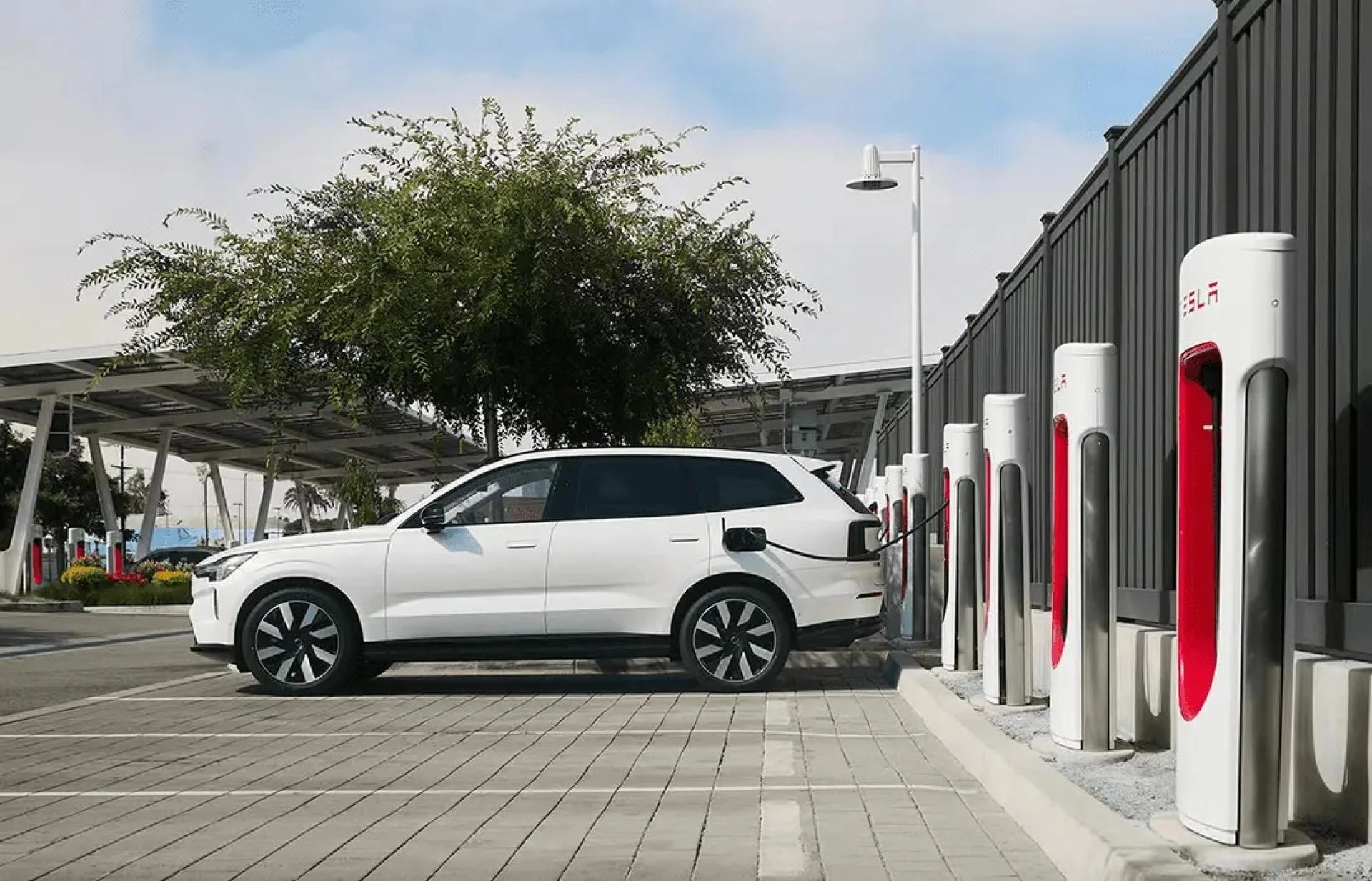
DC chargers deliver power directly to the vehicle's battery, bypassing the vehicle's onboard charger. This direct delivery of DC power enables much faster charging times compared to AC chargers. DC chargers are commonly found in commercial and industrial locations, such as highway rest stops or fast-charging stations, where quick recharging is essential. However, DC chargers are more expensive to purchase and install due to their advanced technology and higher power output.
Key Differences Between AC and DC EV Chargers
To help you better understand the differences, here are some important distinctions between AC and DC chargers:
1. Charging Speed
- AC Chargers: Slower charging speeds, as they rely on the vehicle's onboard charger to convert AC to DC power. Charging can take several hours or overnight, depending on the charger and vehicle.
- DC Chargers: Much faster charging speeds. DC chargers deliver power directly to the battery, enabling an 80% charge in as little as 20-30 minutes.
2. Cost and Installation
- AC Chargers: More affordable and easier to install, making them suitable for home use and locations where slow, overnight charging is sufficient.
- DC Chargers: Higher upfront cost and installation complexity, requiring specialized equipment. They are typically used in commercial or high-traffic locations that need rapid charging.
3. Use Cases
- AC Chargers: Best suited for home or long-term parking situations where slow, steady charging is acceptable, such as overnight charging or during the workday.
- DC Chargers: Ideal for scenarios where quick recharging is required, such as highway rest stops, commercial fleets, or public charging stations needing fast turnaround times.
4. Energy Efficiency
- AC Chargers: More energy-efficient for home use since they are designed to work with existing electrical infrastructure. However, slower charging may result in more overall energy consumption if used frequently.
- DC Chargers: While faster, DC chargers may have slightly lower energy efficiency due to the higher power output. Despite this, the speed and convenience often outweigh the energy trade-off in commercial settings.
How to Choose the Right EV Charger
The right choice between an AC and DC charger depends on your specific needs, driving habits, and budget. Here are a few key considerations to help you decide:
1. Daily Driving Habits
- If you drive short distances and can charge overnight, an AC charger is likely the best choice, providing a cost-effective and convenient solution for regular use.
2. Charging Frequency
- If you need to charge your vehicle multiple times a day or require faster charging, a DC charger may be more appropriate. The rapid charging capabilities can minimize downtime.
3. Location
- For home use, AC chargers are generally the best option due to their lower cost and simpler installation. However, DC chargers are ideal for public charging stations or commercial settings where speed is crucial.
4. Budget
- AC chargers are more affordable and easy to install, making them ideal for most home EV owners. If you require fast charging, and have the budget for it, investing in a DC charger could be beneficial.
5. Long-Term Plans
- Consider your future needs for EV charging. If you anticipate needing faster charging in the long run, it might be worth investing in a DC charger now, even if an AC charger meets your current needs.
Conclusion
Choosing between an AC and DC EV charger ultimately comes down to your charging needs and circumstances. AC chargers offer a cost-effective, reliable solution for home charging, while DC chargers provide the fast charging required in high-demand environments. By understanding the distinctions between these two types of chargers, you can select the one that best suits your lifestyle, whether you need a slow, overnight charge or a rapid, on-the-go solution.Know more about Google SEO Directory



















Sign in to leave a comment.