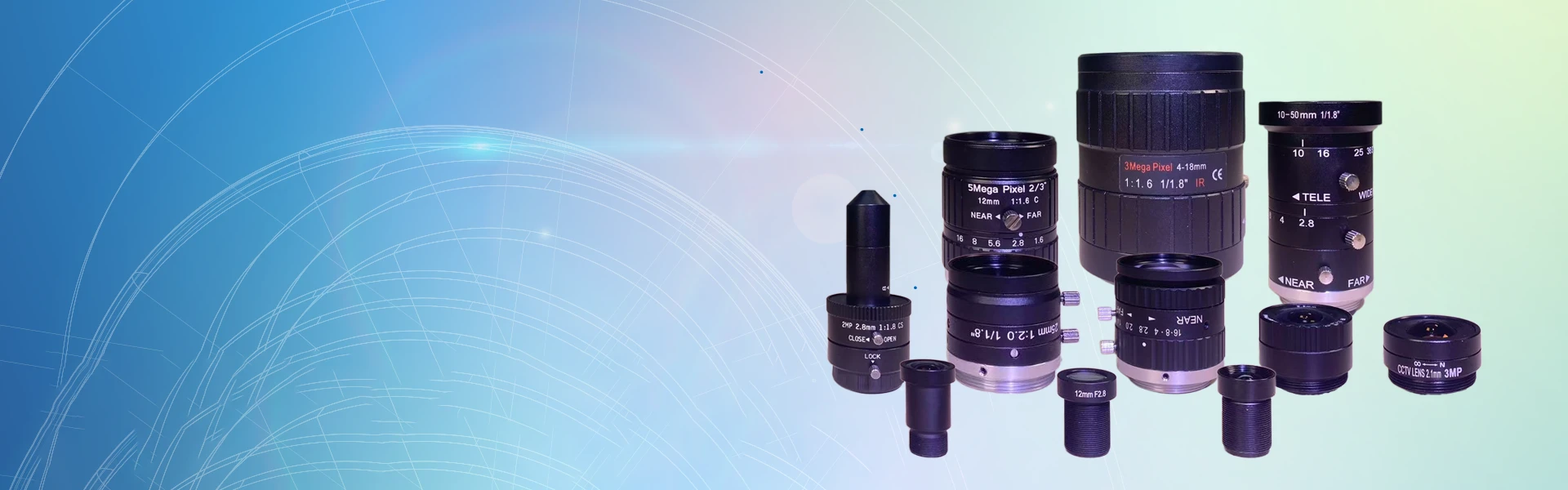

In the world of optics, achieving flawless image quality is a relentless pursuit. Whether you’re a photographer, videographer, or engineer, distortions and color aberrations can ruin even the most meticulously planned shots. Enter the Achromatic Low distortion lens—a revolutionary tool designed to deliver unparalleled clarity by addressing two critical issues: chromatic aberration and geometric distortion.
What Is an Achromatic Low Distortion Lens?
An Achromatic Low distortion lens combines two advanced optical technologies: achromatic design and distortion correction. Achromatic lenses use multiple glass elements to correct color fringing (chromatic aberration), ensuring that all wavelengths of light focus at the same point. Meanwhile, low-distortion lenses minimize barrel or pincushion distortion, preserving straight lines and accurate proportions in images.
By merging these features, the Achromatic Low distortion lens achieves near-perfect image reproduction, making it ideal for applications requiring precision, such as microscopy, industrial inspection, and high-end photography.
How Does an Achromatic Low Distortion Lens Work?
The magic lies in its construction. Traditional lenses often struggle with chromatic aberration because different colors of light refract at varying angles when passing through glass. This causes color fringing, especially around high-contrast edges. Achromatic lenses counter this by pairing two types of glass—typically crown and flint—with different dispersion properties. This combination bends light in a way that aligns all colors at the focal plane.
Low-distortion lenses, on the other hand, use specialized lens shapes and coatings to reduce geometric warping. For example, aspherical elements can correct distortion more effectively than spherical ones. When combined, these technologies produce images that are both color-accurate and structurally precise.
Key Benefits of Using an Achromatic Low Distortion Lens
- 1. Eliminates Color Fringing: Say goodbye to purple or green halos around edges.
- 2. Reduces Geometric Distortion: Straight lines remain straight, even at the edges of the frame.
- 3. Enhances Image Sharpness: Clarity improves significantly, especially in fine details.
- 4. Versatile Applications: From medical imaging to aerospace, this lens adapts to diverse needs.
- 5. Cost-Effective Over Time: High-quality optics reduce the need for post-processing corrections.
Applications of Achromatic Low Distortion Lenses
The versatility of the Achromatic Low distortion lens makes it invaluable across industries:
- Photography and Videography: Professional cameras use these lenses for landscape and architectural shots where distortion would ruin composition.
- Industrial Inspection: Factories rely on them to detect defects in products without optical interference.
- Medical Imaging: Microscopes and endoscopes benefit from their ability to render tissues and cells with accuracy.
- Machine Vision Systems: Robotics and automation systems use these lenses for precise object recognition.
Choosing the Right Achromatic Low Distortion Lens
- Focal Length: Shorter focal lengths suit wide-angle applications, while longer ones excel in telephoto setups.
- Aperture Size: Larger apertures gather more light but may introduce slight distortions.
- Coating Quality: Anti-reflective coatings reduce glare and improve contrast.
- Mount Compatibility: Ensure the lens fits your camera or device.
FAQs
What makes an Achromatic Low distortion lens different from a regular lens?
An Achromatic Low distortion lens corrects both color fringing and geometric distortion, whereas regular lenses may only address one or neither.
Can I use an Achromatic Low distortion lens for astrophotography?
Absolutely! Their ability to minimize chromatic aberration makes them ideal for capturing sharp stars without color halos.
Are Achromatic Low distortion lenses heavy?
Modern designs use lightweight materials like fluorite glass, balancing performance and portability.
Do these lenses work with DSLR and mirrorless cameras?
Yes, most models are compatible with both, provided you choose the correct mount.
Are these lenses weather-sealed?
Many premium models offer weather resistance, but check specifications before buying.
Conclusion
In an era where image quality is non-negotiable, the Achromatic Low distortion lens stands out as a must-have tool. By eliminating color errors and geometric warping, it unlocks new creative possibilities and ensures technical accuracy.
























Sign in to leave a comment.