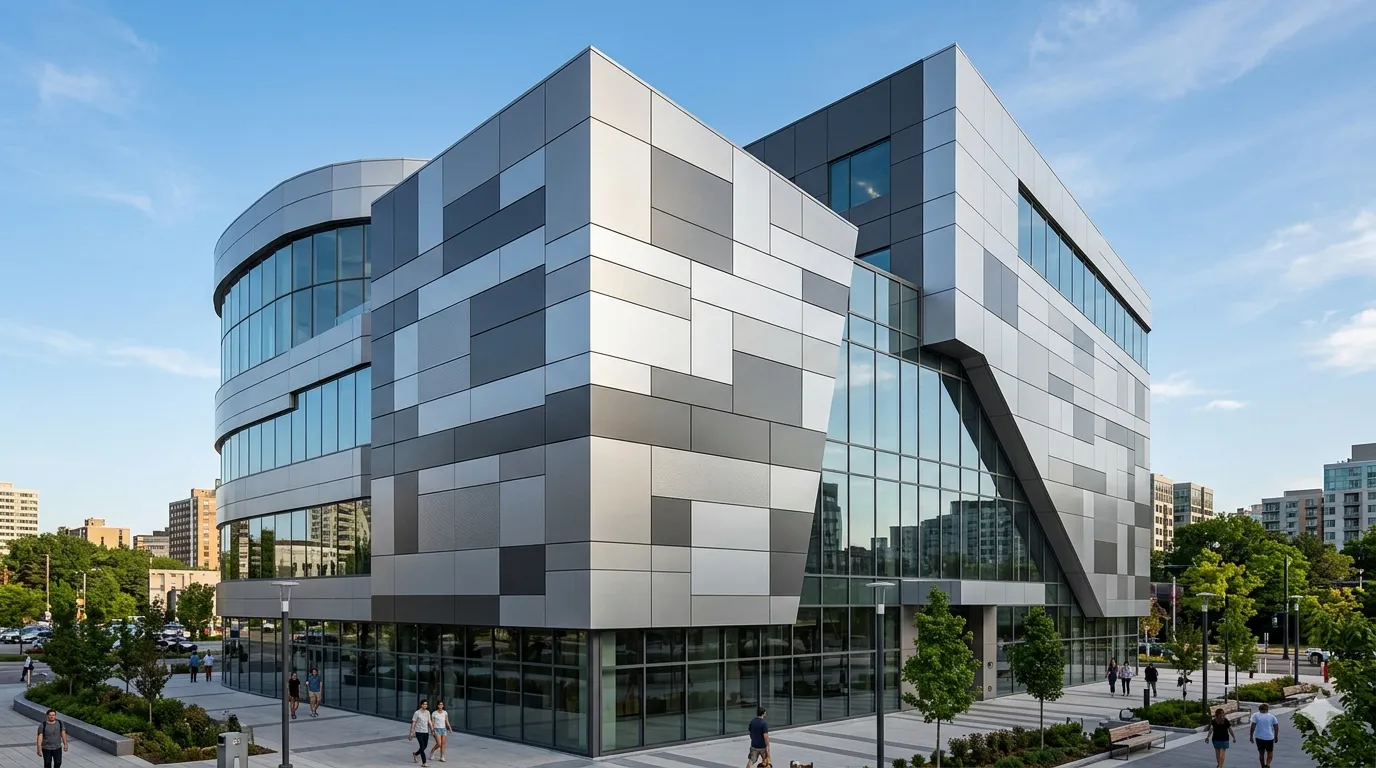

In the world of modern construction and design, materials are expected to do much more than simply cover surfaces. Today’s architects, builders, and developers demand solutions that combine aesthetics, durability, cost-efficiency, and sustainability. Among the many advanced materials shaping contemporary architecture, ACP panels have become one of the most preferred choices for both exterior and interior applications.
From sleek commercial facades and retail signage to residential interiors and transportation systems, ACP panels are widely recognized for their versatility, lightweight performance, and stylish appearance. As urban spaces continue to evolve, these panels are playing a significant role in defining modern building aesthetics while delivering practical structural benefits.
What Are ACP Panels?
ACP panels, or Aluminium Composite Panels, are flat panels made by bonding two thin aluminium sheets to a non-aluminium core. The core is typically composed of polyethylene or fire-retardant mineral material, depending on the intended application and safety requirements.
This layered construction gives ACP panels several valuable properties, including:
- Lightweight structure
- High strength and rigidity
- Smooth surface finish
- Weather resistance
- Corrosion resistance
- Easy fabrication
- Thermal insulation
- Fire-retardant options
Because of these advantages, ACP panels are widely used across multiple industries.
Why ACP Panels Are So Popular
The growing popularity of ACP panels comes from their ability to balance design flexibility with functional performance.
1. Modern Aesthetic Appeal
One of the biggest reasons architects choose ACP panels is their visual versatility. These panels are available in a wide variety of finishes, colors, and textures.
Common options include:
- Solid colors
- Metallic finishes
- Wooden textures
- Marble and stone effects
- Mirror surfaces
- Brushed aluminium
This broad design range allows ACP panels to suit everything from corporate towers and shopping malls to luxury homes and creative interiors.
2. Lightweight Yet Strong
Traditional cladding materials like stone, steel, or concrete often increase the structural load of a building. ACP panels, on the other hand, are lightweight while maintaining excellent durability.
Benefits of this include:
- Reduced structural dead load
- Easier transportation
- Faster installation
- Lower labor costs
- Better flexibility in design
This makes ACP panels especially valuable for high-rise structures and renovation projects.
3. Weather Resistance
Exterior surfaces are constantly exposed to sunlight, rain, pollution, and temperature fluctuations. High-quality ACP panels are engineered to withstand harsh environmental conditions.
Key protective features include:
- UV resistance
- Moisture resistance
- Corrosion resistance
- Fade resistance
- Long-lasting coatings
This durability ensures buildings maintain their appearance over time.
Common Applications of ACP Panels
The versatility of ACP panels allows them to be used across a broad range of sectors.
Building Facades
One of the most common uses of ACP panels is exterior cladding for:
- Commercial buildings
- Shopping malls
- Airports
- Hospitals
- Residential complexes
They provide sleek, modern exteriors while offering durability and weather protection.
Interior Design
Inside buildings, ACP panels are used for:
- Wall cladding
- Ceiling systems
- Partitions
- Kitchen surfaces
- Decorative elements
Their easy maintenance and polished appearance make them ideal for stylish interiors.
Signage Industry
Because ACP panels are easy to cut, shape, and print on, they are widely used for:
- Storefront signs
- Billboards
- Corporate branding
- Directional signage
Transportation
Buses, trains, and airports often use ACP panels for lightweight interior and structural solutions.
Fire Safety and ACP Panels
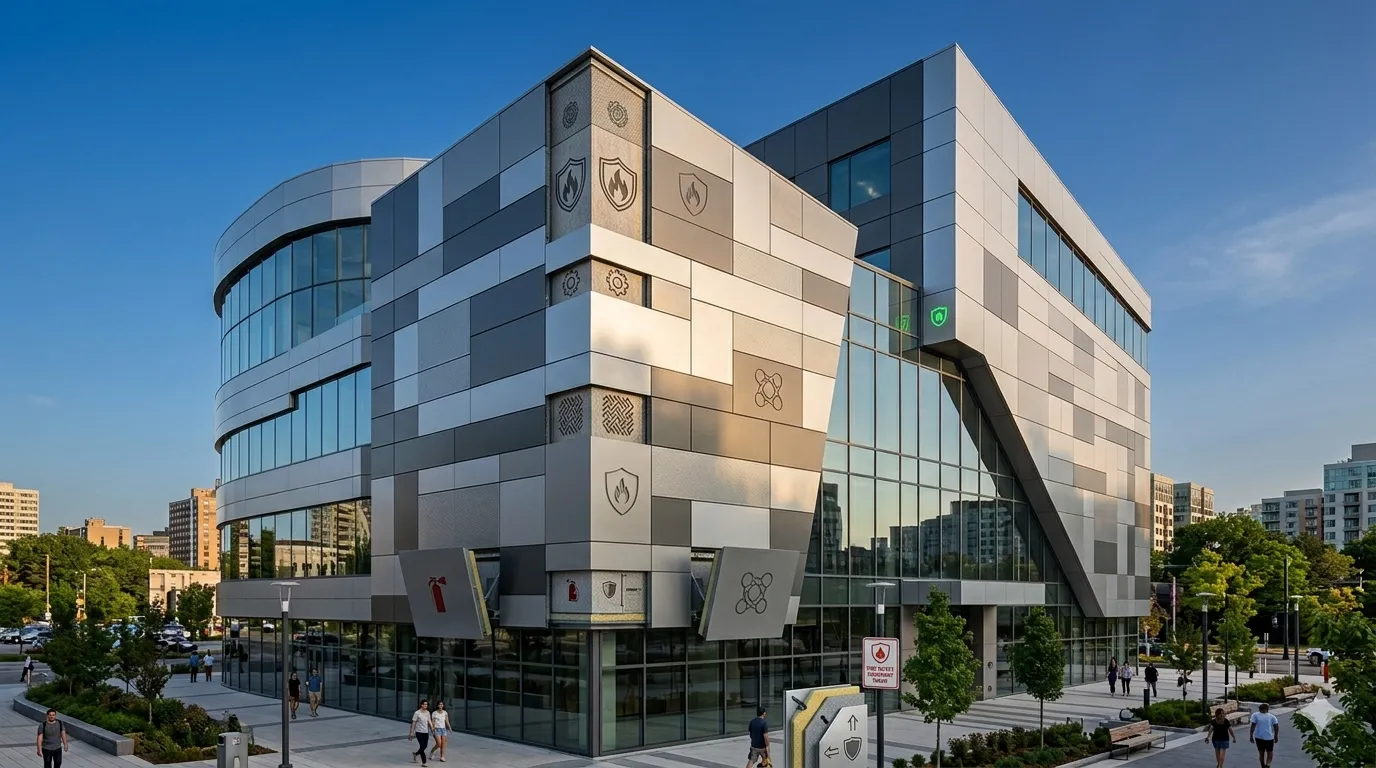
As building safety regulations become stricter, fire-resistant ACP panels have become increasingly important.
Fire-retardant ACP panels typically offer:
- Reduced combustibility
- Lower smoke generation
- Better compliance with fire codes
- Improved safety for high-rise projects
Choosing the right type of ACP panels is essential, especially for commercial and public buildings.
Sustainability Benefits of ACP Panels
Modern architecture increasingly prioritizes sustainability, and ACP panels support environmentally conscious building practices.
Recyclable Aluminium
Aluminium used in ACP panels can often be recycled, reducing waste.
Energy Efficiency
Certain ACP panel systems improve thermal insulation, helping lower cooling costs.
Durability
Long product life reduces replacement frequency, supporting sustainability.
These qualities make ACP panels a practical choice for green building initiatives.
ACP Panels vs Traditional Materials
| Feature | ACP Panels | Stone Cladding | Steel Sheets |
|---|---|---|---|
| Weight | Lightweight | Heavy | Heavy |
| Design Flexibility | Excellent | Limited | Moderate |
| Installation | Fast | Complex | Moderate |
| Weather Resistance | High | Moderate | High |
| Maintenance | Low | Moderate | Moderate |
| Cost Efficiency | Strong | Lower | Moderate |
This comparison highlights why ACP panels are often preferred for modern projects.
Advantages of ACP Panels
Easy Fabrication
ACP panels can be:
- Cut
- Bent
- Routed
- Folded
- Drilled
This allows for customized designs and faster project completion.
Low Maintenance
Routine cleaning is often enough to maintain appearance.
Cost-Effective
ACP panels offer a balance of premium appearance and affordability.
Long Lifespan
Their resistance to corrosion and weathering supports long-term performance.
Factors to Consider When Choosing ACP Panels
To ensure the best results, consider the following:
Core Material
Choose between standard and fire-retardant options.
Thickness
Select based on structural needs.
Surface Coating
Premium coatings like PVDF are ideal for exterior use.
Brand Quality
Trusted manufacturers often offer better warranties and consistency.
Installation Method
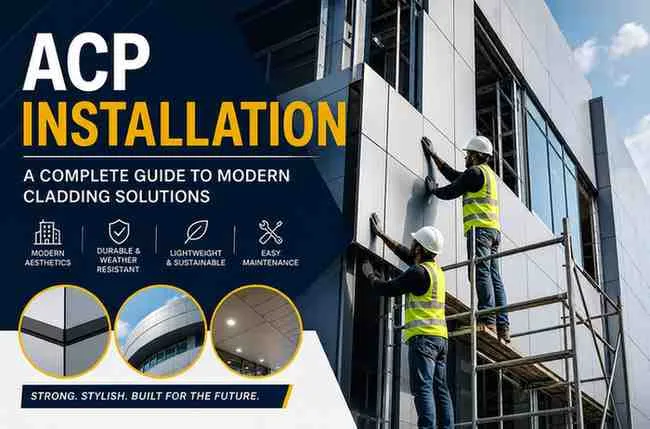
Professional installation is critical for durability.
Future Trends in ACP Panels
As technology advances, ACP panels are expected to continue evolving.
Emerging trends include:
- Smart facades
- Sustainable coatings
- Improved fire-safe technologies
- Digital printed designs
- Modular architecture systems
These innovations are expanding the role of ACP panels in future construction.
Conclusion
ACP panels have become a cornerstone of modern architecture because they successfully combine beauty, strength, flexibility, and efficiency. Their lightweight nature, design versatility, weather resistance, and growing focus on fire safety make them one of the most practical materials for contemporary construction and design.
Whether used for skyscrapers, retail spaces, residential interiors, or signage, ACP panels continue to shape how modern spaces look and perform. As the demand for sustainable, stylish, and efficient building solutions increases, ACP panels remain a smart investment for architects, builders, and property owners seeking future-ready construction materials.
























Sign in to leave a comment.