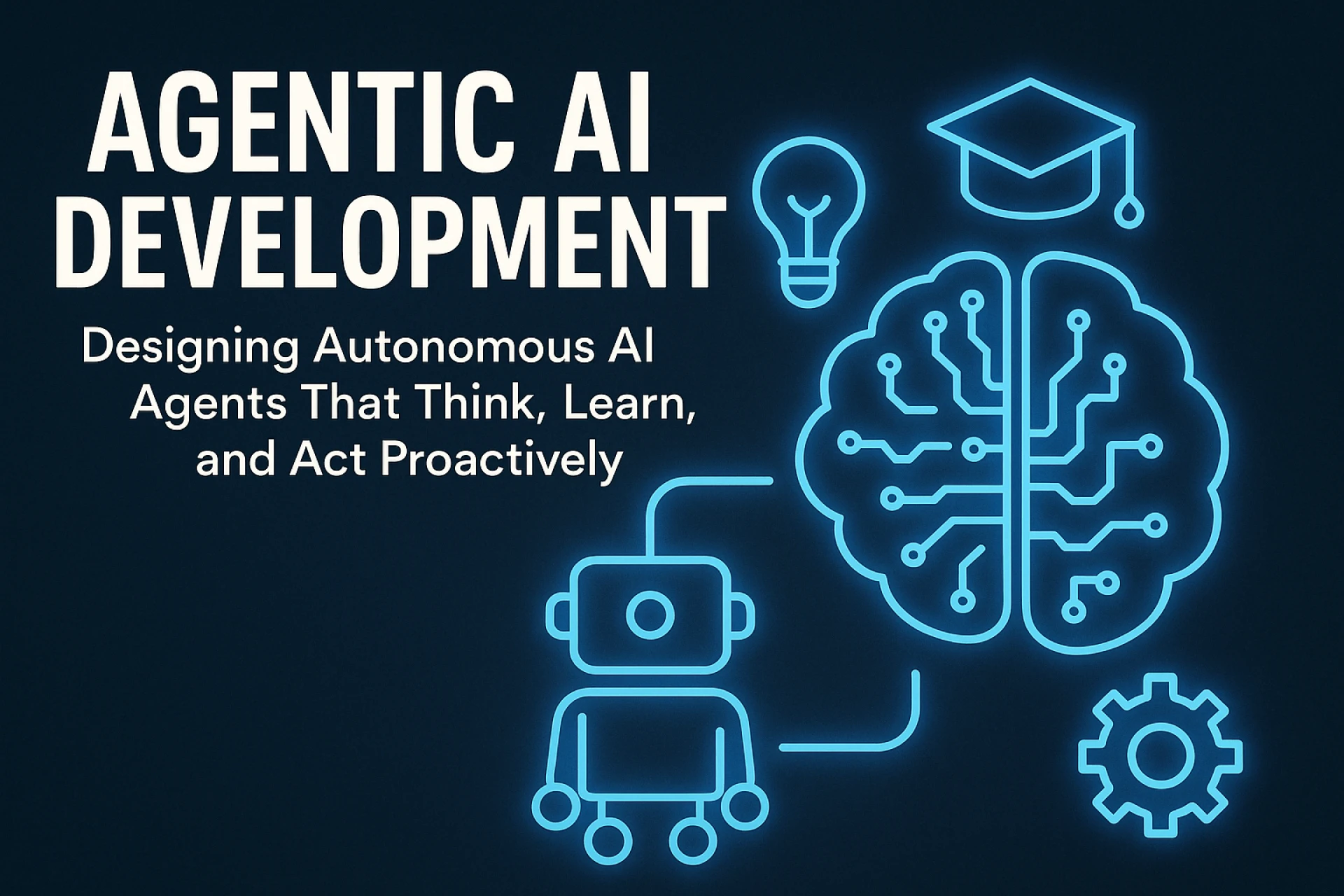

As the global AI landscape shifts from static, task-based automation to dynamic, autonomous intelligence, Agentic AI is leading the charge. These intelligent systems aren't just responsive—they’re proactive. Businesses that leverage agentic capabilities can unlock higher efficiency, smarter decisions, and streamlined workflows with minimal human input.
In this article, we’ll dive deep into how Agentic AI is being used in modern enterprises, what tools make it possible, and how to craft a winning strategy for implementation.
What Is Agentic AI?
Agentic AI refers to artificial intelligence systems that can act autonomously, pursue goals, make decisions, and adapt to changing circumstances. Unlike traditional AI, which is often rule-based and reactive, Agentic AI is proactive, context-aware, and often able to coordinate with other agents to achieve complex objectives.
Key features of Agentic AI include:
- Autonomous task execution
- Long-term memory and contextual awareness
- Multi-agent collaboration
- Real-time learning and adaptability
🔗 For a deeper dive, explore our guide on What You Need to Know About Agentic AI Development
Business Use Cases of Agentic AI
Agentic AI isn’t just a buzzword—it’s a productivity engine that’s already transforming operations across departments and industries.
1. Sales Automation
Sales AI agents qualify leads, respond to inquiries, book meetings, and even follow up with prospects—all without human intervention.
🔗 Explore the power of a Sales AI Agent for streamlining your revenue operations.
2. Customer Service
AI agents integrated with LLMs like ChatGPT can handle support tickets, provide personalized responses, and escalate issues when necessary.
🔗 Learn how ChatGPT integration enhances customer support.
3. Finance and Compliance
Agentic AI in finance can monitor transactions, detect anomalies, perform reconciliations, and manage reporting requirements.
🔗 Discover how AI agents in finance are redefining compliance and efficiency.
4. Marketing Automation
Marketing agents can personalize campaigns, optimize ad spend, A/B test messaging, and generate reports—all while aligning with business goals.
5. Supply Chain Management
Agents coordinate inventory levels, supplier communications, logistics tracking, and demand forecasting, adapting dynamically to changes.
🔗 See real-world examples: Agentic AI in Action: Case Studies Across Sectors
Top Tools and Platforms Enabling Agentic AI
Implementing Agentic AI requires the right tools and frameworks. Below are some critical components and platforms businesses can rely on:
1. AI Agent Platforms
Platforms like AutoGen, CrewAI, and LangGraph enable developers to design and deploy autonomous AI agents using multi-agent orchestration, memory management, and task planning.
🔗 Explore the Top AI Agent Platforms to choose the best fit for your use case.
2. LLMs (Large Language Models)
At the core of many agentic systems are models like GPT-4, Claude, and Gemini that offer natural language understanding, reasoning, and generation capabilities.
3. Memory and Context Tools
Integrate vector databases like Pinecone, Chroma, or Weaviate to allow agents to retain long-term memory and retrieve relevant data instantly.
4. RPA and Workflow Engines
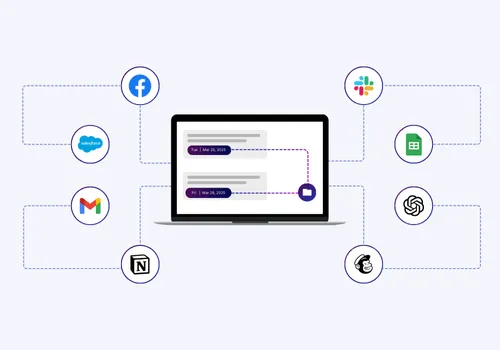
When paired with agentic systems, tools like UiPath, Zapier, or Make.com allow your AI agents to execute real-world actions across software platforms.
Strategic Framework for Deploying Agentic AI
To make Agentic AI a success in your business, you need more than just the tech—you need a strategy. Here's a step-by-step approach:
Step 1: Identify Use Cases and Goals
Start by asking:
- What repetitive tasks could be automated?
- What decisions could be made faster with AI?
- Where can autonomy add the most value?
Focus on areas with measurable impact, such as lead qualification, support automation, or invoice processing.
Step 2: Choose the Right Type of AI Agent
Different types of AI agents serve different purposes:
- Reactive agents: Quick response, no memory.
- Proactive agents: Goal-seeking with long-term memory.
- Multi-agent systems: Collaborative agents for complex workflows.
🔗 Learn more about the Types of AI Agents and how they function in business contexts.
Step 3: Build or Partner for Development
Develop in-house if you have an AI team, or collaborate with a proven AI agent development company like Sparkout Tech.
🔗 Read our comprehensive guide on How to Build an AI Agent from scratch.
🔗 Work with Sparkout Tech’s AI Agent Development Services to launch your custom solution.
Step 4: Set Up Monitoring and Feedback Loops
Track KPIs like response time, accuracy, cost savings, and customer satisfaction. Feed performance data back into the system for continuous learning and optimization.
Step 5: Scale Across Teams and Functions
Once proven in one department, replicate your Agentic AI solution across other verticals such as HR, logistics, or procurement.
🔗 Discover how to scale your AI solution for multi-industry functionality.
Cost Considerations
The cost of developing and deploying an Agentic AI system depends on scope, features, and complexity. A rough breakdown:
ScopeEstimated Cost RangeBasic single-agent$10,000 – $20,000Mid-range multi-agent$30,000 – $60,000Enterprise solution$75,000 – $150,000+
🔗 Read the full guide on AI Agent Development Costs for budgeting insights.
Agentic AI vs. Traditional AI: Why It Matters
Agentic AI doesn't just automate tasks—it owns outcomes.
AttributeTraditional AIAgentic AITask executionReactiveProactive and autonomousMemoryStatelessContext-awareDecision-makingLimitedGoal-driven and adaptiveMulti-functionalityNarrow use casesCross-domain applicability
🔗 Explore this in more depth: Agentic AI vs. Traditional AI: Key Differences Explained
Agentic AI and Industry 4.0
Industries like manufacturing, logistics, and energy are adopting Agentic AI to:
- Predict machine failure
- Automate inspections
- Manage inventory in real time
- Optimize energy usage
🔗 Learn about Top Use Cases of Agentic AI in Industry 4.0
Final Thoughts
Agentic AI represents a major leap from automation to autonomy. From proactive decision-making to continuous learning, it’s poised to redefine business efficiency across every sector.
Whether you're a startup aiming to automate lead handling or a large enterprise seeking cross-functional AI agents, now is the time to act.
























Sign in to leave a comment.