

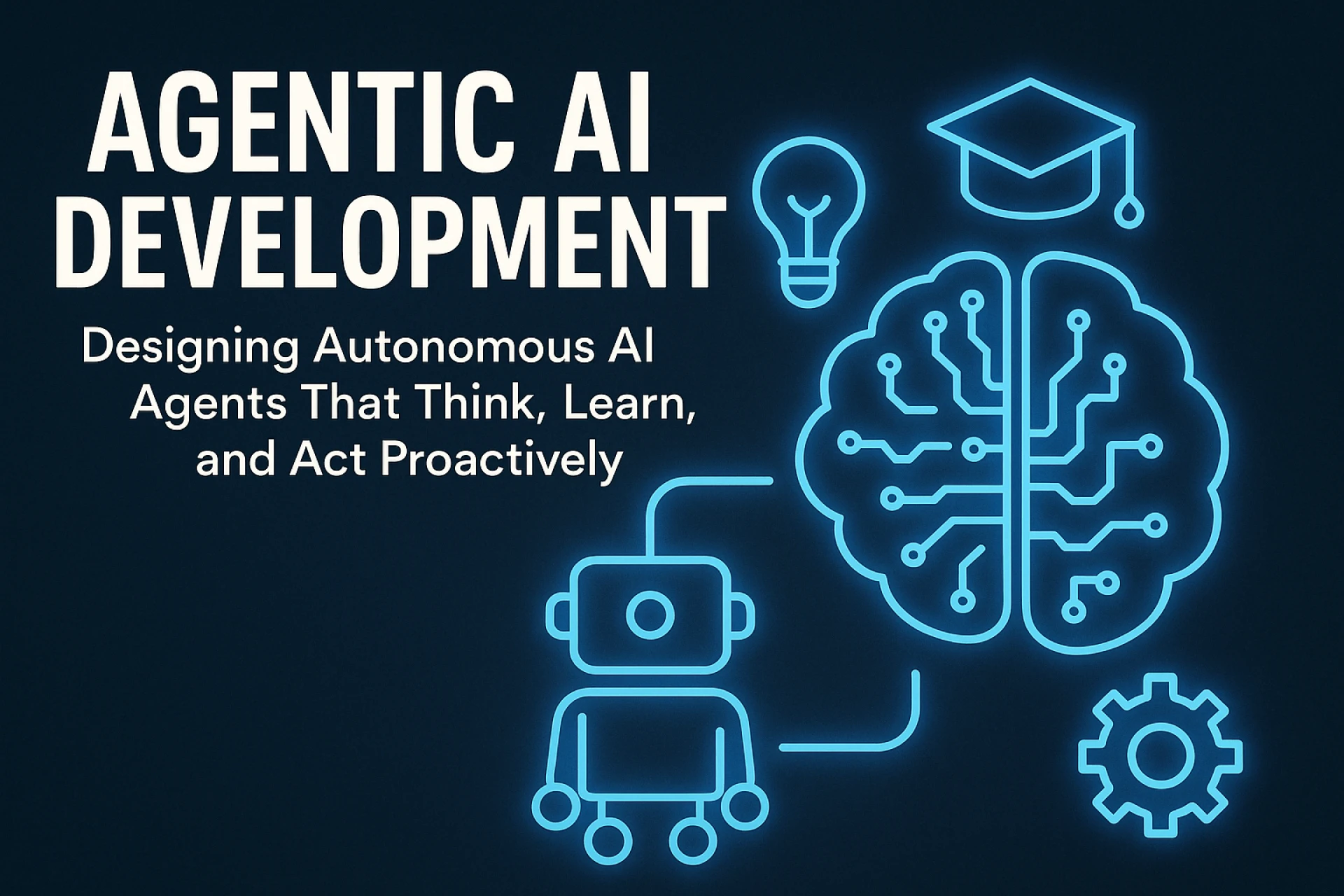
In the era of intelligent automation, traditional AI systems are evolving rapidly into agentic AI—autonomous, goal-oriented systems capable of making decisions without human intervention. In 2025, businesses are no longer asking whether to implement AI but how to build intelligent systems that can think, decide, and act independently. That’s where agentic AI comes into play.
From real-time fraud detection in finance to predictive customer engagement in sales, agentic AI is powering autonomous decision-making systems that redefine efficiency and intelligence across industries. This article explores what agentic AI is, how it works, and how enterprises are integrating it into their digital ecosystems.
What Is Agentic AI?
Agentic AI refers to AI systems that function as intelligent agents, capable of observing environments, reasoning, making decisions, and executing actions autonomously. Unlike rule-based or traditional AI systems, agentic AI exhibits goal-driven behavior and adaptability.
These AI agents are designed to operate independently, often as part of multi-agent systems, coordinating with other agents and tools to achieve complex objectives.
👉 Learn more about the types of AI agents and how each contributes to autonomous functionality.
Key Capabilities That Enable Autonomous Decision-Making
For AI agents to make decisions autonomously, they need several foundational components:
- Goal setting and planning: They define end objectives and construct decision trees.
- Perception: They process data from multiple environments (e.g., APIs, sensors, user input).
- Reasoning: They interpret context and select the best course of action.
- Learning: They refine strategies based on feedback and new information.
- Action execution: They interact with tools or platforms to implement decisions.
These components are orchestrated using advanced AI agent platforms, such as LangChain, AutoGPT, and AutoGen.
👉 Dive into the top AI agent platforms used in real-world applications.
Use Cases of Autonomous Decision-Making via Agentic AI
1. AI in Finance: Real-Time Risk Assessment
In the finance sector, agentic AI agents are revolutionizing how firms manage risk, credit scoring, and compliance.
Example: An AI agent continuously monitors transactions for anomalies, assesses customer creditworthiness using real-time data, and flags or blocks transactions without needing manual intervention.
Result:
- 90% reduction in fraud-related losses
- Near-instant credit approvals
👉 Explore more about AI agents in finance.
2. Sales AI Agent: Automating the Funnel
Sales teams often face decision fatigue from repetitive tasks. A Sales AI agent can qualify leads, decide which prospects to prioritize, and initiate follow-ups—all autonomously.
How it works:
- Gathers behavioral data from CRMs, emails, and websites.
- Scores and segments leads.
- Initiates personalized communication across channels.
Outcome:
- 40% boost in conversions
- 60% faster lead response times
3. Super Apps: Agentic Intelligence Across Modules
Super apps integrate multiple services (payments, ride-hailing, delivery) within one platform. Managing user decisions across services requires intelligent autonomy.
By embedding agentic AI, super apps empower each module with decision-making capabilities—from pricing and order routing to fraud detection and customer assistance.
Impact:
- Improved user retention via personalization
- Reduced churn through intelligent workflows
👉 Learn more about super app development powered by AI agents.
How to Build an Autonomous AI Agent
Designing and deploying agentic AI requires a careful blend of strategy, technology, and infrastructure. Here's a roadmap:
1. Define the Agent's Purpose
Clearly articulate the business problem the agent will solve.
2. Choose an Architecture
Use tools like LangChain or AutoGen to architect the agent’s decision-making model.
3. Train with Relevant Data
Feed the agent historical and contextual data to improve perception and decision quality.
4. Integrate with External Systems
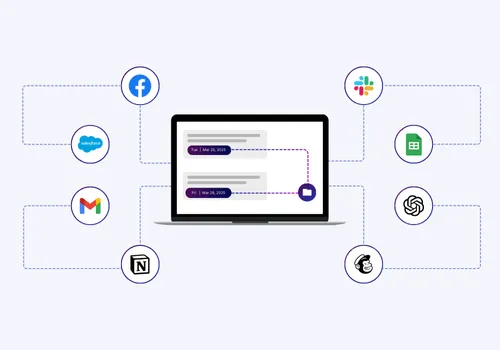
Enable the agent to communicate with CRMs, APIs, data lakes, and databases.
5. Test and Iterate
Run simulations before deploying the agent in live environments.
👉 Read the full guide on how to build an AI agent.
Key Benefits of Agentic AI in Autonomous Systems
1. Real-Time Decision Making
AI agents make decisions in milliseconds based on data patterns and pre-set goals.
2. Scalability Across Departments
A single architecture can be reused across HR, finance, IT, and sales functions.
3. 24/7 Operational Autonomy
No human downtime means faster turnaround and always-on operations.
4. Learning from Experience
Agents use reinforcement learning to improve decision quality over time.
Cost of Building an Agentic AI System
The cost of developing a decision-making AI agent depends on its complexity, data needs, integrations, and scope. Here's a general breakdown:
Agent TypeEstimated Cost (USD)Basic Decision Agent$10,000 – $25,000Mid-tier Enterprise Agent$30,000 – $75,000Multi-agent Scalable Systems$100,000+
👉 For a detailed breakdown, check out the cost of AI agent development.
Real-World Case Study: Enterprise Workflow Automation
Client: B2B SaaS Company
Problem: Manual approval processes delayed project rollouts.
Solution: Implemented a multi-functional agent system that handled task routing, resource allocation, and real-time approvals.
Result:
- 55% faster project deployment cycles
- 70% fewer internal emails
- 3x improvement in resource utilization
👉 See more examples in our blog: Agentic AI in Action: Case Studies Across Sectors.
Why Partner with an AI Agent Development Company?
Creating robust autonomous decision-making systems isn’t plug-and-play. It requires deep domain knowledge, strategic alignment, and technical execution.
A professional AI agent development company like Sparkout Tech can help you:
- Customize intelligent agents for your domain
- Build scalable architectures
- Ensure integration with existing platforms
- Maintain and improve agentic performance
Final Thoughts: The Future Is Autonomous
The rise of agentic AI marks a shift from assistive automation to proactive decision intelligence. In 2025, companies that leverage agentic AI will move faster, adapt smarter, and outpace competitors stuck with legacy systems.
Whether you're in finance, e-commerce, logistics, or enterprise IT, it's time to rethink how decisions are made—and who (or what) is making them.

























Sign in to leave a comment.