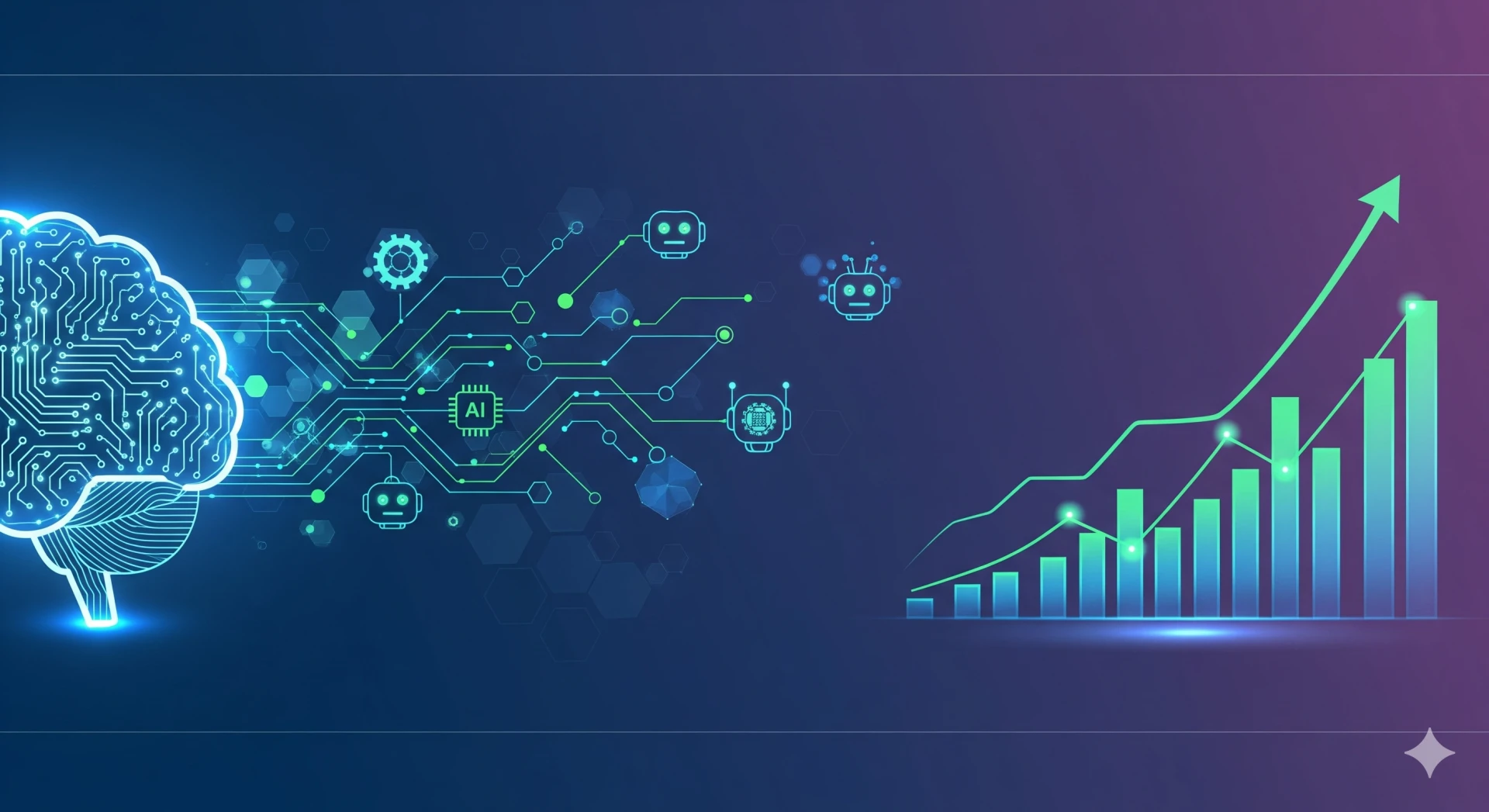
The rise of artificial intelligence has ushered in a new era of business transformation. While early AI tools focused on data analysis, forecasting, or customer support chatbots, the next wave of innovation is powered by AI agents. Unlike traditional software programs, AI agents can act autonomously, adapt to changing inputs, and collaborate with both humans and other digital systems to achieve specific business goals.
From streamlining operations to enhancing customer experiences, intelligent automation with AI agents is proving to be one of the most impactful technologies for businesses across industries. In this blog, we’ll explore what AI agents are, how they work, and how organizations can leverage them to accelerate growth, reduce costs, and gain a competitive edge.
What Are AI Agents?
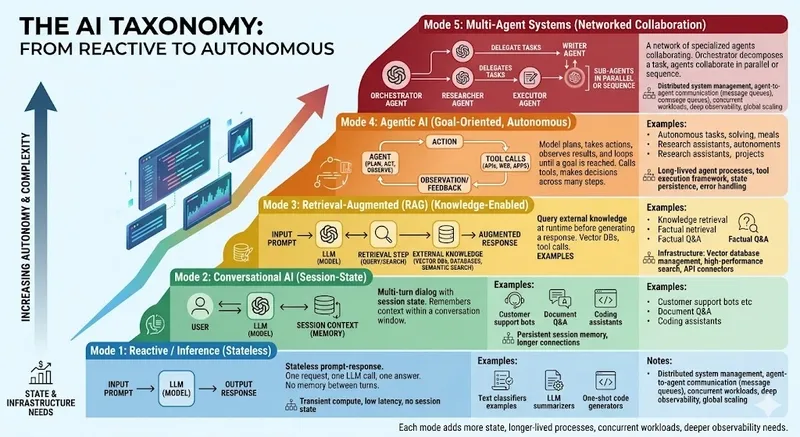
At their core, AI agents are autonomous systems that can perceive their environment, make decisions, and take actions to achieve set objectives. Unlike simple scripts or traditional automation tools, these agents are designed to:
- Understand context: AI agents can analyze structured and unstructured data in real time.
- Adapt to changes: They learn from new information and modify strategies accordingly.
- Take initiative: Instead of waiting for instructions, agents can proactively solve problems or suggest improvements.
- Collaborate effectively: They can interact with human teams, APIs, or other AI agents.
Think of them as digital employees who can work tirelessly 24/7, scale instantly, and handle complex workflows that would otherwise require multiple human touchpoints.
Why Businesses Need AI Agents
Modern businesses face mounting challenges: rising customer expectations, supply chain disruptions, talent shortages, and constant pressure to innovate. AI agents help overcome these challenges by:
- Enhancing Productivity
- AI agents can take over repetitive and time-consuming tasks—like data entry, report generation, scheduling, or routine customer support—freeing up employees for higher-value activities.
- Driving Cost Savings
- By automating workflows, organizations reduce operational expenses. Intelligent systems minimize errors, optimize processes, and ensure consistent performance.
- Improving Customer Experience
- Agents powered by natural language processing can engage with customers across multiple channels, provide instant support, and even personalize recommendations in real time.
- Enabling Scalability
- Unlike human teams that require time and resources to scale, AI agents can be deployed rapidly to handle increased workloads, ensuring businesses can grow without operational bottlenecks.
- Supporting Data-Driven Decisions
- AI agents don’t just execute tasks; they analyze patterns, forecast outcomes, and offer actionable insights to decision-makers.
Key Business Functions Where AI Agents Add Value
1. Customer Support and Engagement
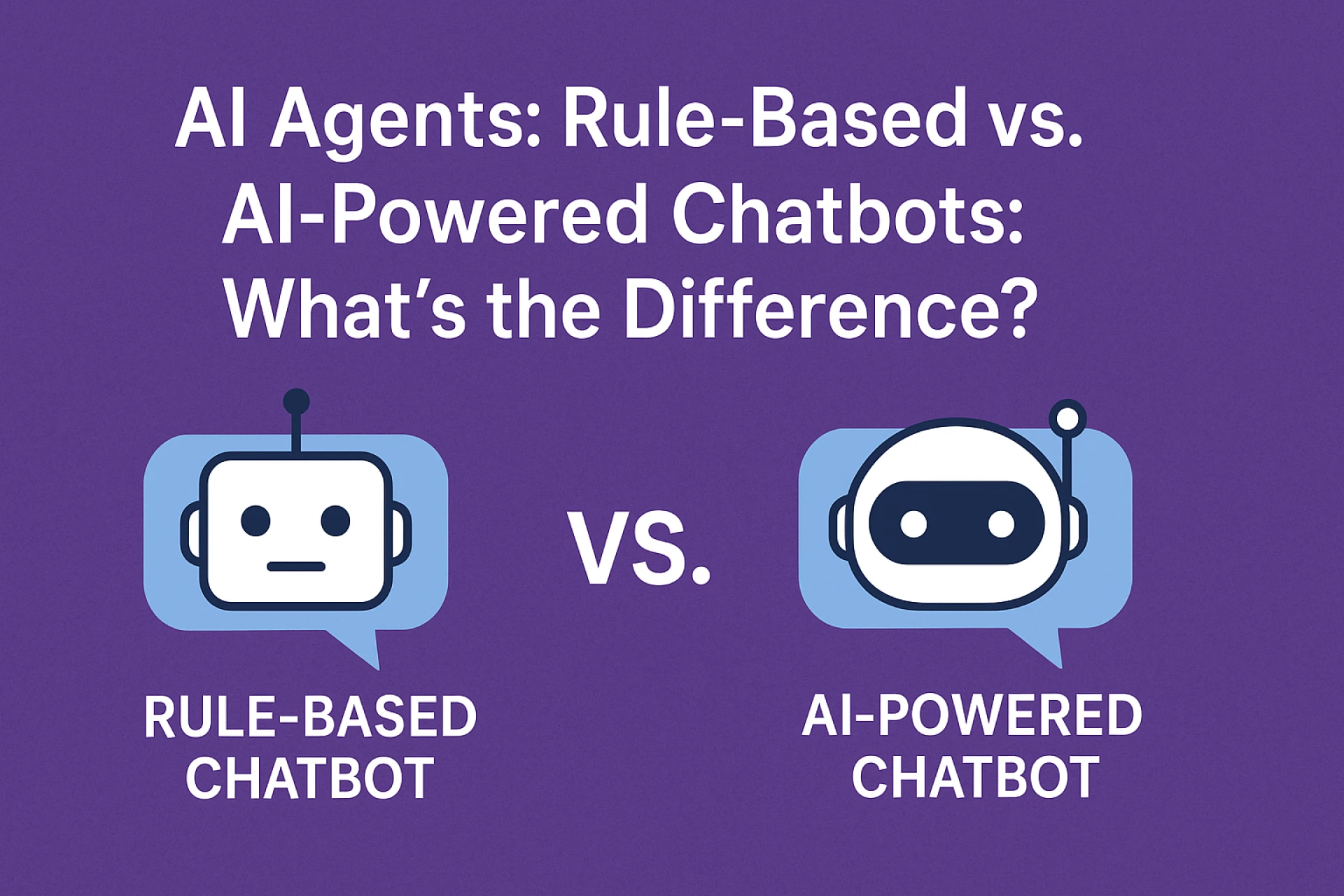
One of the most visible applications of AI agents is in customer support. Intelligent virtual assistants can handle FAQs, resolve complaints, process refunds, and even upsell products. Businesses leveraging ai chatbot development services are already witnessing improved customer satisfaction scores and reduced call center costs.
2. Sales and Marketing
AI agents can qualify leads, send personalized follow-ups, and analyze customer journeys to recommend the most effective campaigns. For e-commerce businesses, agents can monitor buyer behavior and optimize product recommendations in real time.
3. Human Resources and Recruitment
From screening resumes to scheduling interviews and onboarding employees, AI agents are redefining HR operations. They can also assist in monitoring employee engagement and recommending training programs.
4. Finance and Accounting
Tasks like invoice processing, expense tracking, fraud detection, and financial forecasting are ideal for automation. AI agents ensure accuracy while providing predictive insights to CFOs and finance teams.
5. Supply Chain and Operations
AI agents can track shipments, manage inventory, and even predict supply chain disruptions. By automating operational workflows, businesses achieve resilience and efficiency.
How Intelligent Automation Improves Business
Let’s break down the direct impact of AI agent-powered automation:
- Efficiency Gains: AI agents reduce cycle times across processes—what once took hours now takes minutes.
- Error Reduction: By eliminating manual work, businesses reduce costly mistakes.
- 24/7 Availability: Agents don’t need breaks, enabling continuous operation.
- Personalization: Intelligent systems customize interactions based on real-time data, making customer experiences more engaging.
- Innovation: With repetitive work offloaded, human employees focus on creative and strategic initiatives.
Steps to Implement AI Agents in Your Business
1. Identify High-Impact Areas
Start by pinpointing tasks that are repetitive, rule-based, or data-intensive. These are the easiest to automate and offer quick ROI.
2. Choose the Right Tools and Platforms
Selecting a reliable ai agent development company is critical. They can guide you in building scalable, secure, and domain-specific solutions tailored to your business.
3. Pilot with a Small Use Case
Begin with a focused pilot project—such as automating customer support or invoice management—to test functionality and measure impact.
4. Scale Gradually
Once you validate ROI, expand AI agent adoption across departments. Integration with CRM, ERP, and HR systems ensures seamless workflows.
5. Monitor and Optimize
AI agents thrive on feedback. Continuous monitoring ensures they adapt to evolving business needs and regulatory requirements.
Challenges to Consider
While AI agents bring undeniable benefits, businesses must also address challenges:
- Data Quality: Poor or incomplete data can limit effectiveness.
- Integration Complexity: Connecting agents with legacy systems may require specialized expertise.
- Employee Adoption: Teams need training to collaborate effectively with digital counterparts.
- Ethical Concerns: Transparency and accountability in AI decision-making are critical.
Partnering with experts in ai agent development services helps businesses overcome these hurdles with structured implementation strategies.
Real-World Examples of AI Agents in Action
- E-commerce Platforms
- AI agents handle thousands of customer queries simultaneously, offer personalized shopping suggestions, and manage returns efficiently.
- Healthcare Industry
- Agents assist doctors with patient triage, appointment scheduling, and even remote monitoring of chronic conditions.
- Financial Institutions
- Banks deploy AI agents to detect fraudulent transactions, provide personalized banking advice, and streamline loan processing.
- Manufacturing Sector
- AI-powered agents monitor equipment health, predict maintenance needs, and automate inventory management.
- Travel and Hospitality
- From booking confirmations to real-time travel alerts, agents improve guest experiences while optimizing internal operations.
Future of AI Agents in Business
The future points toward even more advanced AI agents capable of reasoning, negotiation, and multi-step planning. Imagine agents that can not only schedule a meeting but also prepare the agenda, gather relevant reports, and even recommend strategic actions.
As generative AI and reinforcement learning continue to evolve, businesses that adopt intelligent automation early will be far better positioned to outpace competitors. This is why many organizations now seek to hire ai agent developer talent to build customized solutions aligned with their goals.
Why Partner with Experts?
AI agent adoption is not a plug-and-play process—it requires strategic alignment, technical expertise, and ongoing optimization. A trusted ai development company provides:
- Custom-built AI solutions tailored to business needs.
- Integration expertise across platforms and enterprise systems.
- Scalable infrastructure that grows with your business.
- Ongoing support, training, and performance monitoring.
Businesses investing in ai agent development solutions today are setting the foundation for long-term success in an AI-driven future.
Conclusion
AI agents are no longer futuristic concepts—they are practical, scalable, and transformative tools reshaping industries. From automating routine tasks to delivering real-time insights, these intelligent systems empower businesses to do more with less.
By leveraging intelligent automation through the right technology partners, organizations can unlock efficiency, improve customer satisfaction, and achieve sustainable growth. Whether you’re exploring ai agent development services, considering ai chatbot development services, or ready to hire ai agent developer experts, the opportunities are vast.
The businesses that embrace AI agents today will not just adapt to the digital future—they will define it.

























Sign in to leave a comment.