
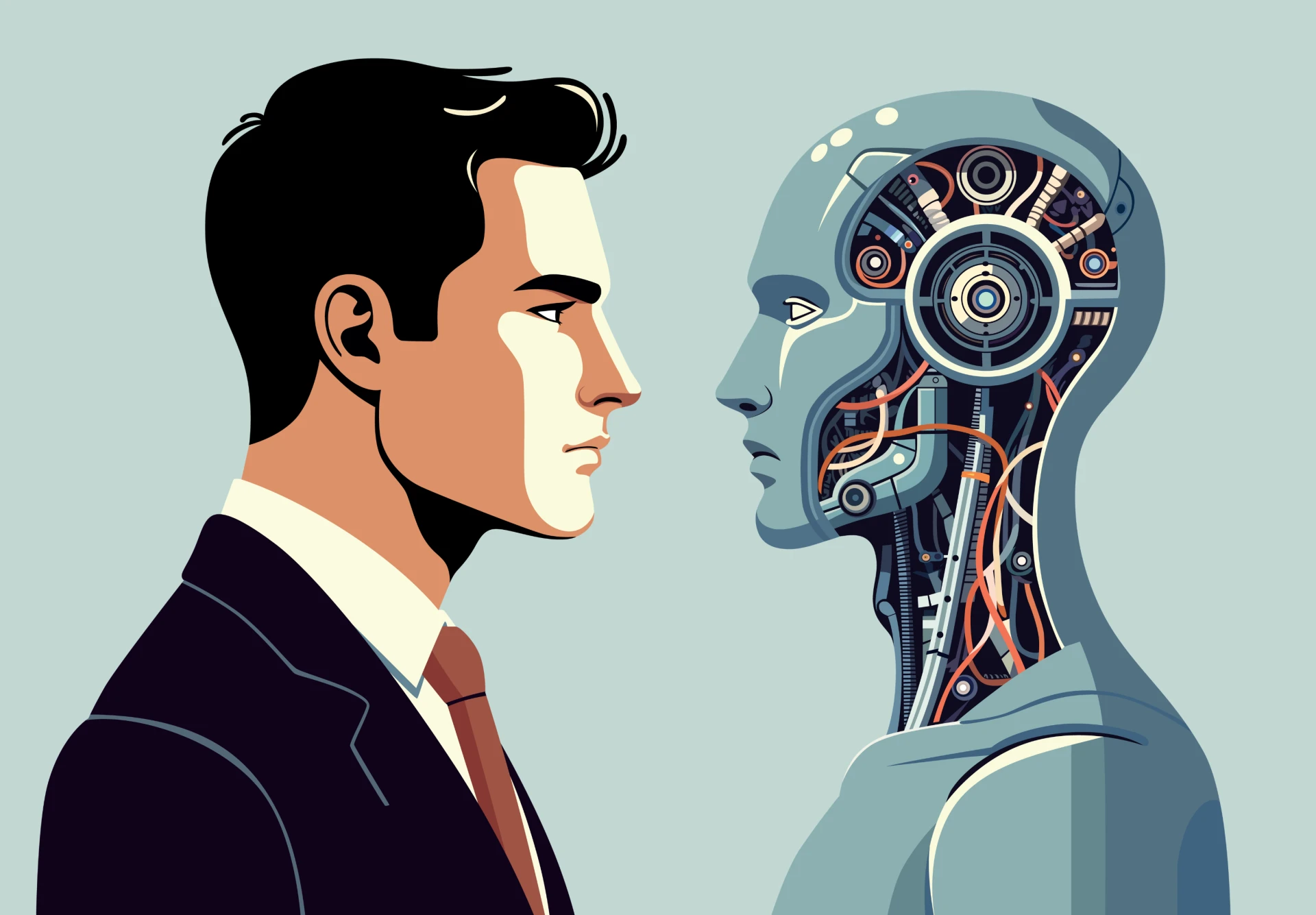
Artificial Intelligence (AI) is moving rapidly beyond simple automation and into the realm of complex decision-making, planning, and adaptive behavior. In this evolving landscape, two terms are increasingly gaining traction: AI agents and agentic AI. Though they may sound similar, they represent fundamentally different approaches to AI systems. Understanding this distinction is essential for businesses, developers, and anyone interested in the future of intelligent systems.
In this post, we’ll break down the key differences between AI agents and agentic AI, explore why the distinction matters, and explain how it influences modern AI development. Whether you're planning to build AI agents or partner with an AI agent development company, this guide will help you make informed decisions.
What Is an AI Agent?
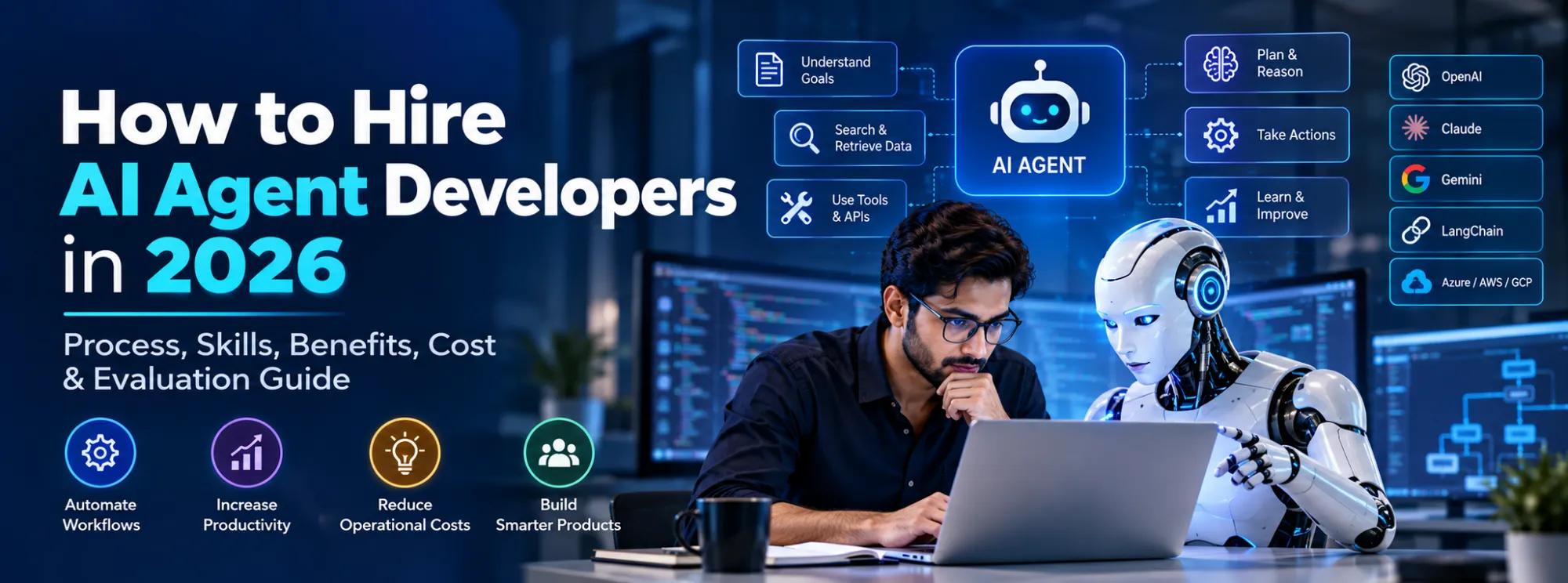
An AI agent is an autonomous software program that can perceive its environment, make decisions, and take actions to achieve specific goals. AI agents often rely on large language models (LLMs) or other machine learning models to interpret input and perform reasoning tasks.
Core Features of AI Agents:
- Autonomy: Operate independently within defined parameters
- Goal-Oriented: Designed to achieve specific objectives
- Interactivity: Capable of engaging with users, systems, or other agents
- Tool Integration: Can use APIs, databases, and other tools to perform actions
AI agents are widely used in customer support bots, virtual assistants, recommendation systems, and task automation tools.
What Is Agentic AI?
While AI agents focus on discrete tasks or roles, agentic AI refers to a broader architectural and philosophical approach to building AI systems. It involves designing AI in a way that gives it not just functionality but agency — the ability to plan, adapt, reason over long timelines, and coordinate with other agents.
Core Features of Agentic AI:
- System-Level Intelligence: Multiple interconnected agents working together
- Long-Term Planning: Capable of managing complex workflows over time
- Dynamic Coordination: Agents can delegate tasks, cooperate, and negotiate
- Adaptive Learning: Can evolve based on feedback and changing environments
In essence, agentic AI transforms an AI system from a tool into a semi-independent partner capable of complex decision-making.
Why the Distinction Matters
1. Design and Development Strategy
When you set out to build an AI agent, you are often solving a specific, well-defined problem — like automating email responses or recommending products. The design focuses on speed, accuracy, and reliability within a narrow scope.
On the other hand, developing agentic AI involves creating architectures where agents interact, evolve, and handle dynamic tasks. This requires a more holistic AI development strategy that includes:
- Multi-agent coordination
- Memory and context tracking
- Long-term goal management
- Modular design for scalability
2. Application Scope
- AI Agents are suitable for narrow tasks: customer service bots, data scrapers, appointment schedulers.
- Agentic AI powers broader systems: autonomous research platforms, collaborative robotics, adaptive enterprise AI.
Choosing the wrong approach could limit your product’s potential or overcomplicate its design.
3. Scalability and Maintenance
AI agents are relatively easier to build and deploy. With clear objectives and pre-defined tools, a small team or an AI agent development company can get them into production quickly.
Agentic AI systems, however, are inherently more complex. They require ongoing maintenance, performance monitoring, and adaptation as business needs evolve. While the investment is higher, so is the return — especially in environments that demand autonomy, resilience, and scale.
Use Case Comparison
AI Agent Use Case: Customer Support Bot
- Responds to FAQs using a knowledge base
- Escalates complex queries to a human
- Logs tickets into a CRM
Why it’s an AI agent: It has a limited scope, performs predefined tasks, and operates within narrow boundaries.
Agentic AI Use Case: Autonomous Research Assistant
- Understands research goals
- Gathers data from multiple sources
- Delegates tasks to specialized sub-agents
- Refines findings based on new inputs
- Communicates conclusions to stakeholders
Why it’s agentic AI: It involves multi-agent planning, delegation, reasoning, and adaptability.
Building AI Agents: Best Practices
If your goal is to build an AI agent, here are some best practices to follow:
- Define a Clear Objective: What problem is the agent solving?
- Choose the Right Framework: Use tools like LangChain, CrewAI, or AutoGen.
- Select an LLM: Choose a model that fits your use case (e.g., GPT-4, Claude, Gemini).
- Integrate Tools: APIs, databases, and web scrapers enhance functionality.
- Implement Memory: Use scratchpads or vector stores for context tracking.
- Add Guardrails: Implement validation, logging, and user feedback loops.
Partnering with an experienced AI agent development company can accelerate this process by providing architectural guidance, testing infrastructure, and domain-specific expertise.
Architecting Agentic AI Systems
For those looking to embrace the power of agentic AI, the development process is more involved but also more rewarding.
Key Steps:
- Map the System Architecture: Identify roles for each agent and their interactions.
- Define Goals and Subgoals: Set high-level objectives that can be broken down.
- Design Coordination Logic: Use orchestrators or planners to manage workflows.
- Enable Feedback Loops: Allow the system to adapt based on outcomes.
- Ensure Interoperability: Build APIs and protocols for agent communication.
Frameworks like LangGraph, OpenAgents, and Mastra are specifically designed for agentic architectures. These tools support multi-agent orchestration, memory management, and real-time collaboration.
Industry Trends and Emerging Frameworks
Over the past year, a wave of new frameworks has emerged to support both AI agents and agentic AI:
- LangChain: Popular for building tool-using agents with memory.
- AutoGen: Designed for multi-agent conversational systems.
- CrewAI: Offers easy team-based agent development.
- LangGraph: Enables complex agent workflows with coordination and memory.
- SmolAgents, Mastra, Pydantic AI: Niche tools focusing on minimalism, observability, and structured reasoning.
The choice between these frameworks depends on your goals. If you want to build AI agents for task automation, LangChain or CrewAI might be enough. For enterprise-level systems or autonomous workflows, LangGraph or Mastra could be more appropriate.
The Role of AI Agent Development Companies
As the demand for intelligent automation grows, businesses increasingly turn to specialized partners for help. An AI agent development company offers:
- Expertise in agent design and orchestration
- Access to proprietary tools and templates
- Domain knowledge for industry-specific use cases
- Support with deployment, testing, and scaling
Whether you're developing a customer-facing chatbot or a backend research coordinator, a trusted partner can make the difference between a proof of concept and a production-ready solution.
Conclusion: Choose the Right Intelligence for the Job
In the evolving world of artificial intelligence, clarity matters. Understanding the difference between AI agents and agentic AI isn't just about terminology — it's about choosing the right tools, strategies, and systems for your goals.
- Use AI agents when your task is focused, structured, and well-defined.
- Embrace agentic AI when your challenge is complex, evolving, and requires coordination across multiple agents or data sources.
The future of AI development will be shaped by both approaches. By understanding their strengths, limitations, and ideal use cases, you'll be better equipped to innovate, automate, and scale intelligently.
And if you’re ready to take the next step, partnering with an experienced AI agent development company can help turn your ideas into reality — whether you're building your first AI agent or designing an agentic ecosystem from the ground up.





















Sign in to leave a comment.