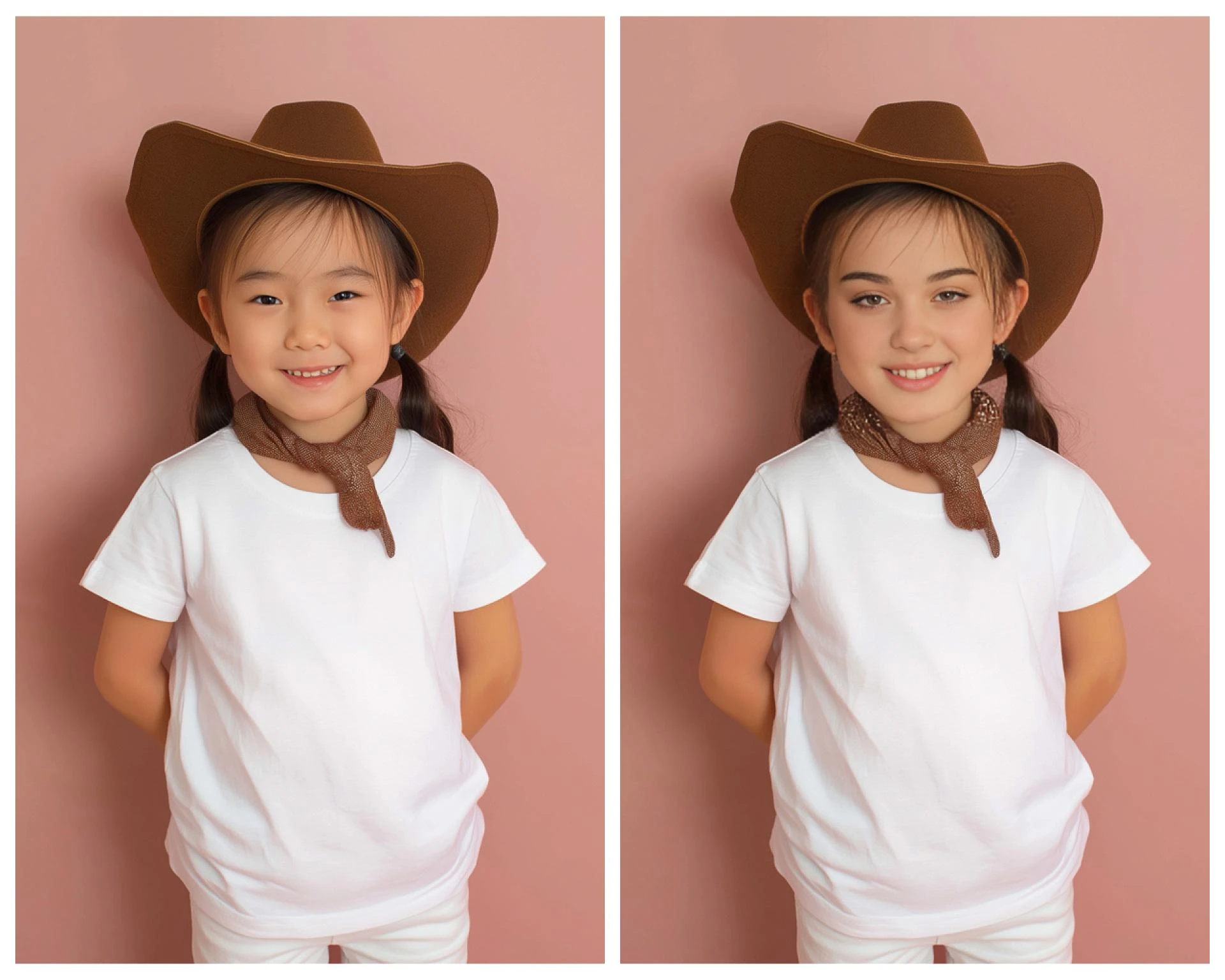

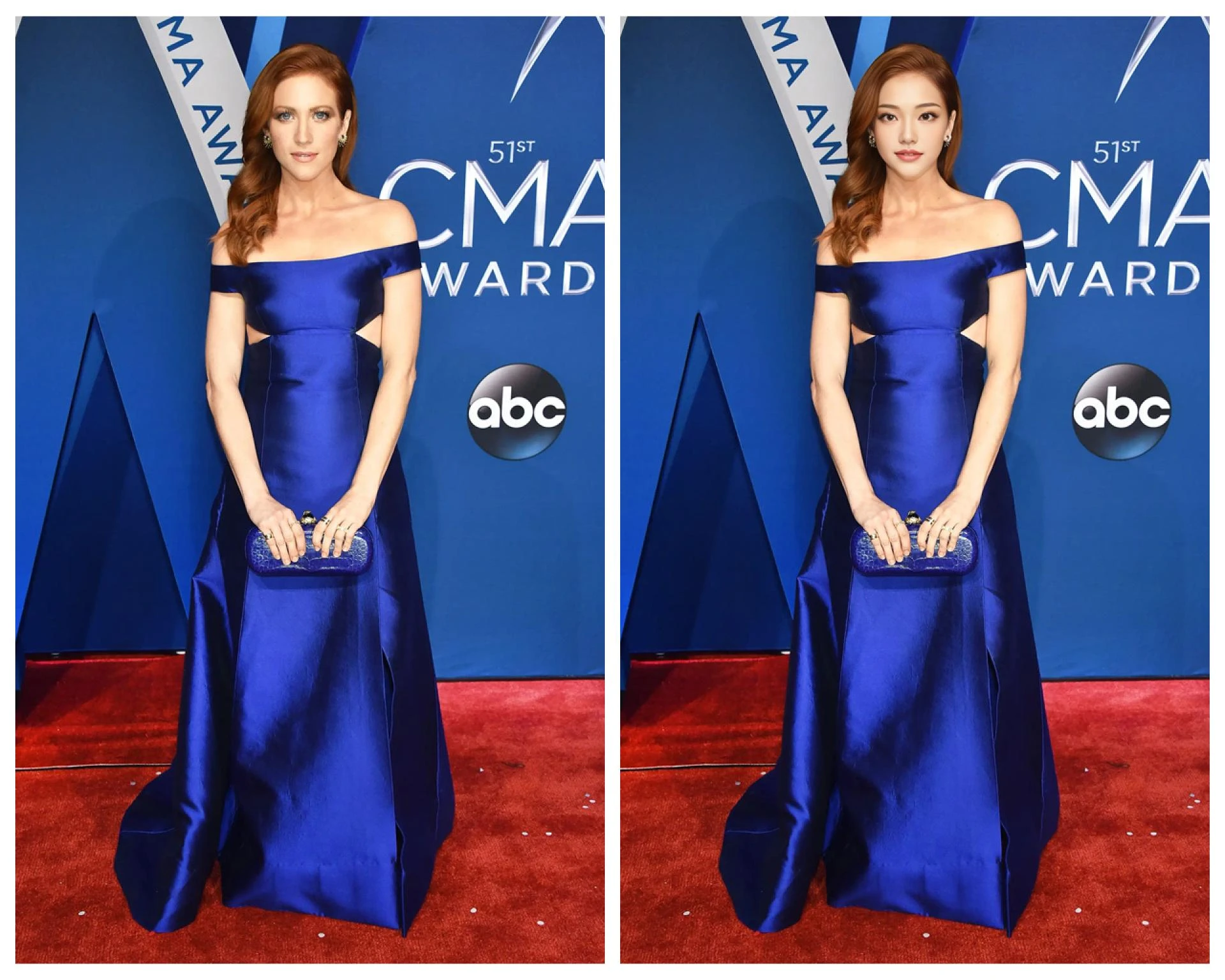
Artificial intelligence has transformed the way we create and manipulate images, videos, and digital media. Among its most fascinating applications is AI face swapping—the ability to replace a person’s face in an image or video with another in a way that appears seamless and realistic. What used to require hours of meticulous editing and professional expertise can now be done in seconds with AI-powered tools.

Yet, while AI face swap systems have become impressively sophisticated, they are not flawless. Understanding their accuracy, limitations, and potential pitfalls is essential for anyone using or evaluating this technology, whether for creative projects, social media content, or professional work. This article explores how AI face swap systems work, what factors influence their accuracy, and where their limitations lie.
How AI Face Swap Systems Achieve Accuracy
AI face swap systems rely on several key technologies to produce realistic results. Their accuracy is determined by how effectively these components function together.
1. Face Detection and Landmark Identification
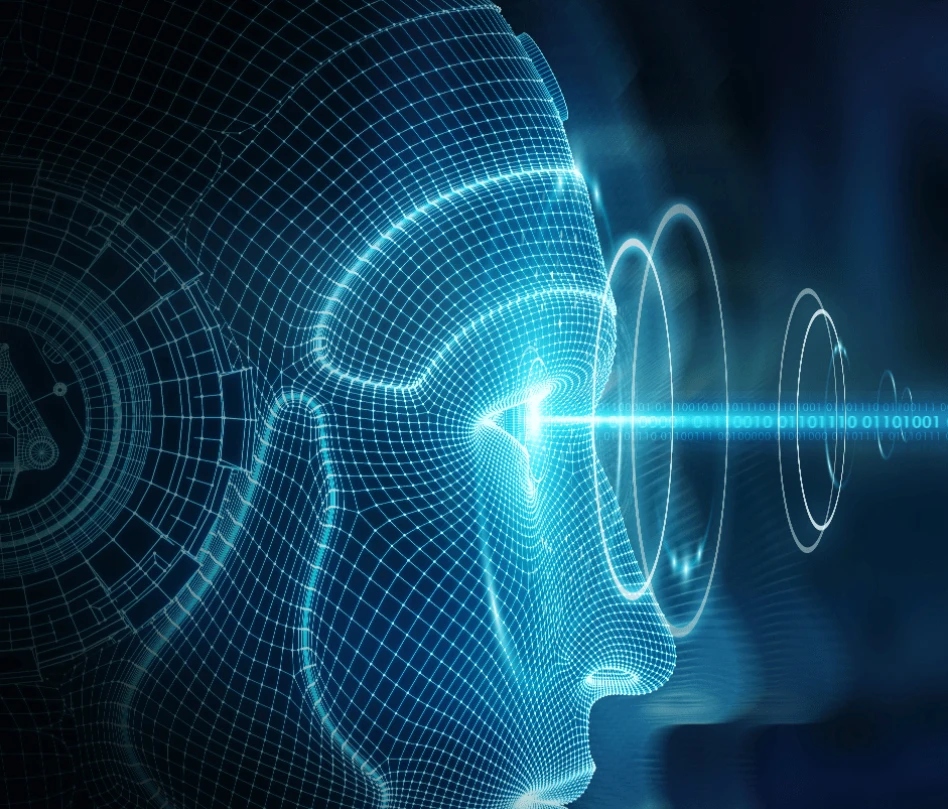
The first step in a face swap is detecting the faces in both the source and target images. AI models use computer vision algorithms to locate key facial landmarks such as the eyes, nose, mouth, jawline, and eyebrows. The precision of this step is critical—misalignment can lead to unnatural results.
Modern AI systems use convolutional neural networks (CNNs) and landmark detection models trained on millions of faces to handle variations in angle, lighting, and facial expression. Accurate detection ensures that facial features are mapped correctly, which is a prerequisite for a convincing swap.
2. Facial Feature Encoding
Once the faces are detected, the AI converts the visual features of the source face into a numerical representation, often referred to as a latent space encoding. This process involves capturing identity-specific features, skin texture, expression, and spatial relationships between features.
High accuracy at this stage ensures that the swapped face retains the identity of the source while blending naturally with the target. Poor encoding can result in distorted or unrealistic features that betray the swap.
3. Generative Modeling
AI face swap systems rely heavily on generative models, such as autoencoders or generative adversarial networks (GANs), to reconstruct the face onto the target image.
- Autoencoders compress the source face into a latent representation and then reconstruct it in the context of the target face. They are efficient for static images but may struggle with complex lighting and motion.
- GANs consist of a generator that creates swapped faces and a discriminator that evaluates realism. This adversarial training improves output quality, producing highly realistic images with natural blending of textures, lighting, and expressions.
Generative models are the core reason AI face swaps can appear convincingly realistic even to the trained eye.
4. Blending and Post-Processing
Finally, the AI blends the swapped face with the target image. This involves adjusting skin tone, lighting, shadows, and color balance to ensure seamless integration. Some systems also apply smoothing filters and edge refinement to remove traces of editing.
The accuracy of this step determines whether the face looks “glued on” or truly belongs in the scene. Advanced systems can handle subtle differences in lighting and facial orientation, significantly improving realism.
Factors Affecting Accuracy of AI Face Swap Systems
Despite their capabilities, AI Face swap systems are not universally perfect. Several factors can impact accuracy, including image quality, angle, lighting, and dataset limitations.
Image Quality
High-resolution images produce the best results because they provide more visual information for the AI to analyze. Low-resolution or blurry images reduce the precision of landmark detection and feature encoding, often resulting in distorted or blurry swaps.
For example, swapping a low-quality webcam photo onto a high-resolution professional portrait can create a mismatched, unnatural look.
Facial Angle and Expression
AI systems perform best when the source and target faces are aligned with similar angles and expressions. Extreme angles—like a side profile or a tilted head—can reduce accuracy because the AI struggles to map features correctly.
Similarly, dynamic facial expressions, such as wide smiles or raised eyebrows, may create inconsistencies if the source and target expressions differ significantly. Advanced systems can compensate to some degree, but even state-of-the-art AI can struggle with extreme poses.
Lighting and Shadows
Lighting plays a critical role in realism. Differences in brightness, direction, and shadow between the source and target images can lead to unrealistic or artificial-looking swaps. AI systems attempt to adjust lighting, but highly contrasting conditions—like a darkly lit room vs. bright sunlight—can challenge even the best models.
Occlusions and Accessories
Obstructions like sunglasses, masks, hats, or hands covering part of the face can significantly reduce accuracy. AI may fail to properly map facial features, producing warped results or leaving artifacts in the swapped area.
Diversity and Bias in Training Data
Generative AI models learn from large datasets of human faces. If the dataset lacks diversity in terms of age, ethnicity, skin tone, or facial structure, the AI may perform poorly on underrepresented faces. This bias can lead to lower accuracy for certain demographic groups, which is a known limitation of many AI face swap systems.
Common Limitations of AI Face Swap Systems
Even with high-quality inputs and advanced models, AI face swap systems face inherent limitations.
1. Imperfect Realism
No AI system is perfect. Even highly sophisticated swaps may exhibit subtle artifacts, such as:
- Slight misalignment of eyes, nose, or mouth
- Inconsistent shadows or skin tone
- Minor distortions in facial expressions
These imperfections are often noticeable to trained observers, though casual viewers may not detect them.
2. Video Challenges
Swapping faces in video is much more complex than static images. The AI must maintain consistency frame by frame, accounting for movement, lighting changes, and camera angles. Minor errors can become more noticeable when frames are played in sequence, creating a “flickering” effect.
3. Lack of Context Understanding
AI face swap systems do not understand context the way humans do. They can misinterpret features or generate unrealistic facial structures in complex scenarios. For example, swapping faces onto animated characters or non-human subjects often produces bizarre results.
4. Ethical and Misuse Concerns
While not a technical limitation, the ethical implications of AI face swapping constrain its use. High accuracy increases the risk of misuse, such as creating deepfake videos for deception, harassment, or misinformation. Developers and users must balance accuracy with responsible application.
5. Dependency on Input Quality
AI face swap systems are highly dependent on the input images. Poor lighting, low resolution, or mismatched expressions can reduce accuracy, and there’s no guaranteed fix. Unlike manual editing, AI cannot improvise creative fixes in difficult situations without additional user input.
6. Computational Requirements
High-quality AI face swaps, especially real-time video swaps, require significant computational power. While cloud-based tools can alleviate this, running models locally may be impractical on standard consumer devices.
Evaluating Accuracy in AI Face Swaps
Accuracy in AI face swapping can be evaluated along several dimensions:
- Identity Preservation: Does the swapped face retain the recognizable features of the source person?
- Expression Consistency: Are facial expressions maintained realistically in context?
- Lighting and Color Matching: Does the face blend naturally with the target environment?
- Temporal Stability (for video): Are features consistent across frames without flickering or distortion?
Professional-grade systems achieve high scores across these dimensions, but casual tools may compromise accuracy for speed or simplicity.
Improving Accuracy of AI Face Swap Systems
Several strategies can enhance accuracy in AI face swapping:
- Use High-Quality Images: Clear, well-lit photos improve landmark detection and feature extraction.
- Match Angles and Expressions: Similar head poses and facial expressions reduce distortion.
- Preprocess Images: Adjust brightness, contrast, and color tone to better match the target.
- Select Advanced Tools: Platforms using GANs or hybrid models tend to produce more realistic results.
- Ethical Dataset Selection: Using diverse and representative training data improves AI performance across demographics.
Applications Despite Limitations
Even with limitations, AI face swap systems have widespread applications:
- Entertainment: Movies, TV, and social media content benefit from rapid face swaps and realistic transformations.
- Marketing and Advertising: Personalized ads can feature individuals with high engagement potential.
- Creative Arts: Digital artists explore new storytelling possibilities using face swaps.
- Education and Research: AI face swaps help in simulation, training, and behavioral studies.
Understanding limitations allows creators to use AI effectively while setting realistic expectations.
Ethical Considerations Linked to Accuracy
Ironically, the very factors that make AI face swaps highly accurate also introduce ethical concerns. The more realistic a swap appears, the higher the potential for misuse. Accurate AI swaps can be used for identity theft, harassment, or misinformation, making responsible use crucial.
Best practices include:
- Using your own or consented images
- Labeling AI-generated content clearly
- Avoiding misleading applications
- Choosing reputable platforms with privacy safeguards
The Future of Accuracy in AI Face Swaps
AI face swap technology is rapidly evolving. Future improvements may include:
- Better handling of extreme angles and occlusions
- Enhanced video consistency for smooth frame-by-frame swaps
- Adaptive learning systems that refine swaps in real time based on input quality
- More diverse datasets to reduce demographic bias
- Integrated ethical safeguards such as watermarks or consent protocols
These advancements will make AI face swaps more accurate, accessible, and responsible.
Final Thoughts
AI face swap systems are remarkable tools that combine computer vision, deep learning, and generative modeling to achieve realistic results at unprecedented speed. However, their accuracy is influenced by factors such as image quality, facial angles, lighting, and dataset diversity. Limitations remain, particularly in video, extreme conditions, and ethical contexts.
Understanding the strengths and weaknesses of AI face swap technology allows users to leverage it effectively, set realistic expectations, and prioritize responsible use. By balancing accuracy with ethical considerations, AI face swapping can be a powerful tool for creativity, entertainment, and professional applications without compromising integrity or trust in digital media.

























Sign in to leave a comment.