

In a world where artificial intelligence is evolving faster than ever, face swap technology stands out as one of the most fascinating—and controversial—developments in digital media. What began as a novelty for social media posts has grown into a powerful tool with far-reaching implications for entertainment, creativity, communication, identity, and digital ethics. As we look ahead, several trends are emerging that will shape how AI face swapping evolves and influences society.

This article explores the key trends in Ai face swap technology that promise to redefine both its capabilities and how we interact with digital content. Whether you’re a content creator, tech enthusiast, or someone curious about the future of AI, here’s an insight into what’s coming next.
Hyper-Realistic Face Swaps
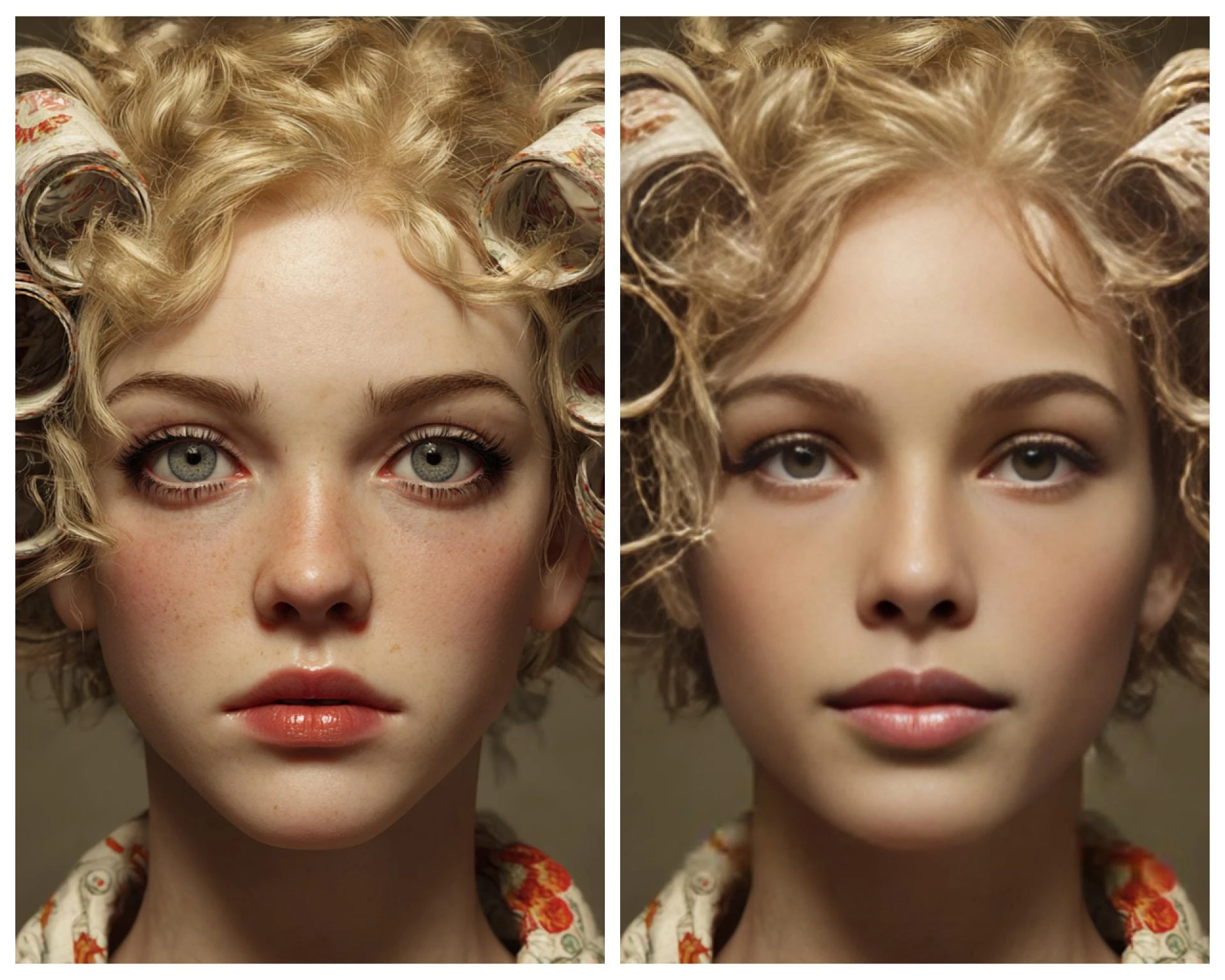
Early face swap tools often produced amusing but imperfect results—faces that looked pasted on, blurry edges, or unnatural lighting. Today, AI models can generate incredibly realistic swaps that are hard to distinguish from original photos. This trend toward hyper-realism is driven by advancements in deep learning, improved training data, and better understanding of facial anatomy.
What sets this trend apart is not just visual quality, but contextual awareness. Future AI systems won’t just paste one face onto another—they will understand expressions, lighting conditions, shadows, emotions, and even subtle cues like micro-expressions. This means that face swaps will look natural whether the subject is smiling, laughing, or caught mid-conversation.
As realism improves, these tools will be increasingly used in professional settings like filmmaking, advertising, and interactive storytelling. But this also raises new questions about authenticity and trust in visual media.
Real-Time Face Swapping
Another major shift is the move toward real-time face swapping. Instead of static images, modern AI can process video streams live—whether during video calls, livestreams, or augmented reality (AR) experiences.
Imagine being able to join a virtual meeting with a custom avatar that mirrors your expressions in real time, or livestreaming to your audience with a dynamic character that responds to your voice and movement. Real-time swaps will extend beyond fun filters to practical applications in communication, virtual events, and even education. The technology will become smoother, faster, and more accessible with the growth of 5G and more powerful consumer devices.
This trend is already visible in gaming and social apps, but the next wave will combine realism with interactivity at unprecedented levels.
Personalized Digital Avatars
The way we represent ourselves online is changing. Static profile pictures are giving way to dynamic digital avatars—AI-generated faces that can express emotions, interact, and adapt over time.
Rather than swapping faces for entertainment, future AI will allow users to generate lifelike avatars that maintain consistency across platforms. These avatars could mirror your facial features, mimic your speaking style, and even evolve alongside you. For content creators, this opens the door to branded personas with personality and presence without the need for physical recording.
In virtual spaces like the metaverse, these avatars will become essential. They will not only represent individuals but also serve as interactive agents capable of engaging with others in immersive environments.
Enhanced Ethical Controls & Consent Mechanisms
As face swap technology becomes more powerful, ethical considerations will take center stage. One of the defining trends of the future will be the development of tools and standards to protect individuals from misuse.
This includes technical mechanisms that validate whether an image has been AI-edited, digital signatures that track when and how content was altered, and platforms that require explicit consent before someone’s face can be used. Governments, tech companies, and research institutions are already discussing regulations and best practices to prevent harmful applications of face swap technology, such as identity exploitation or deepfake misinformation.
Creators of AI tools will need to balance innovation with responsibility, ensuring that users understand the ethical boundaries and real-world consequences of face swapping.
Integration into Professional Workflows
Once considered a trend for meme culture and social apps, AI face swap tools are increasingly entering professional workflows. Filmmakers can now replace actors’ faces in post-production with remarkable precision, saving time and cost. Marketers are experimenting with hyper-personalized campaigns that feature familiar faces, boosting engagement. Brands can use face swap AI to generate promotional content tailored to different audiences quickly.
Even fields like healthcare and psychology may see applications—such as in therapeutic settings where reconstructed patient faces help with emotional expression or treatment visualization.
This trend highlights a key shift: face swap technology is no longer just for entertainment. It is becoming a legitimate tool in industries that value visual communication and creative flexibility.
Cross-Platform Ecosystems & Collaboration
The future of face swap technology lies not in isolated apps, but in ecosystems that work across platforms. We’re moving toward interoperability—where face swap models can integrate with social platforms, messaging apps, gaming environments, and cloud services seamlessly.
This means that a face swap created in one place can be easily shared, animated, or adapted within another environment. For example, a face swap image might be used to generate a digital avatar for social media, then exported to an AR filter in a messaging app. Developers are also collaborating to create open standards that allow face swap features to work across devices and software.
Such interconnected systems will make advanced AI more accessible while giving users control over how their visual identities are used and shared.
AI Safety and Detection Tools
As AI face swaps become more convincing, there will be increased demand for detection tools that can identify when content has been manipulated. These tools use machine learning to spot subtle inconsistencies that even the best human eye might miss.
Detection systems are already used in journalism, law enforcement, and platform moderation to flag potentially manipulated content. Moving forward, these technologies will be integrated into browsers, social networks, and communication tools to help users distinguish between original and AI-altered media.
Rather than stifling creativity, detection tools will serve as a safety net—encouraging responsible use and helping platforms maintain digital integrity.
Democratization Through Open-Source Innovation
Another trend shaping the future is the democratization of AI face swap technology through open-source development. Many researchers and developers are sharing tools, models, and datasets freely, which accelerates innovation and widens access.
This movement allows hobbyists and small creators to experiment without needing expensive software or technical expertise. As academic and open-source communities contribute improvements, we can expect better performance, fewer biases, and more transparent AI processes.
However, this also comes with challenges, such as ensuring ethical guidelines are followed and preventing malicious use. The open-source community is increasingly aware of these responsibilities, embedding ethical practices into shared tools and documentation.
Personalized AI Training
Future face swap systems may allow personalized AI training—where your own visual data can be used to train a model tailored specifically to you. This could result in face swaps that are more accurate and expressive, mirroring subtle nuances of your facial movements and style.
With user control and consent, this could lead to customized digital experiences: avatars that reflect your mood, AI assistants that communicate with your likeness, or virtual representations that interact naturally in digital spaces.
Personalized systems will raise questions about privacy, ownership of biometric data, and user rights—but they also promise to make digital identities more expressive and authentic.
Blending Face Swap With Creative AI
Face swap technology is increasingly combining with other creative AI tools—such as generative art, voice synthesis, and motion capture. This fusion will enable complex digital creations that go far beyond simple face swaps.
Imagine animated videos where characters speak with your voice and expressions, or personalized interactive stories where your likeness plays a role in branching narratives. Content creators will harness these blended technologies to produce novel entertainment experiences, immersive advertising, and interactive educational content.
As these AI tools work together more seamlessly, the line between creator and audience will continue to blur.
Community-Driven Standards & Cultural Impact
Finally, the future of AI face swap technology will be shaped by cultural dialogue and community-driven standards. Artists, ethicists, technologists, and everyday users are contributing to conversations about what is acceptable, what is respectful, and what is harmful.
These discussions influence platform policies, creative norms, and even legal frameworks. As communities become more engaged, the definition of responsible use will continue to evolve.
Face swap technology will not just be a technical phenomenon—it will be a cultural one, reflecting values, expectations, and shared understandings about identity and representation in the digital age.
Final Thoughts
AI face swap technology is no longer a passing fad. It is rapidly transforming from a novelty feature into a powerful tool with deep creative and social implications. As realism improves, real-time capabilities emerge, and ethical frameworks evolve, face swapping will continue to shape how we create, share, and engage with digital content.
The trends discussed here reflect not only technological progress but also changing cultural expectations and the growing need for balance between innovation and responsibility. As this field develops, those who understand both the potential and the limitations of AI face swapping will be best positioned to use it in meaningful, ethical, and imaginative ways.
The future of face swap technology is bright, dynamic, and unfolding right before our eyes. Whether you’re considering this for creative projects, professional applications, or simply staying informed, the next chapter of AI face swapping is sure to be fascinating.



























Sign in to leave a comment.