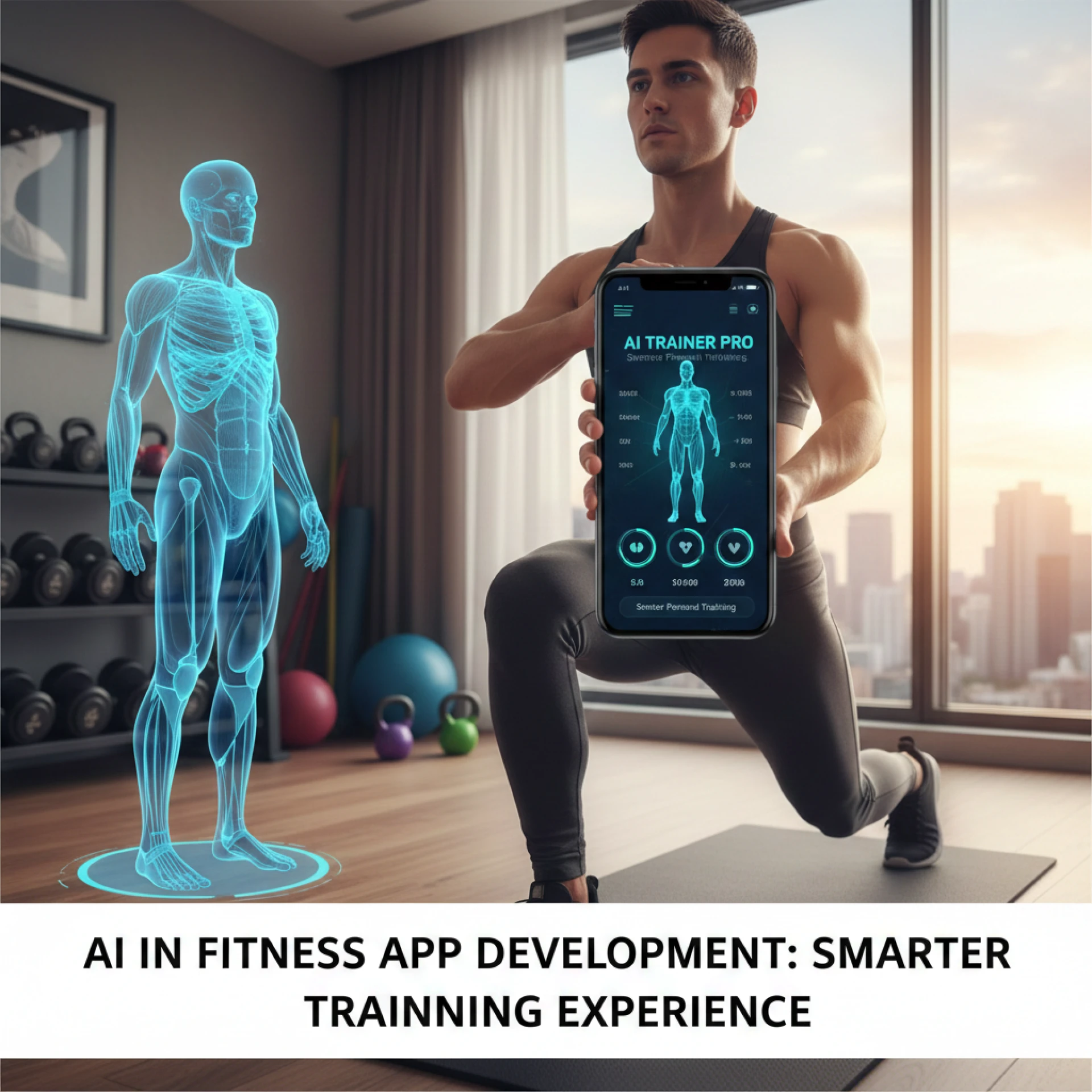

The fitness industry has shifted from generic workout videos and static routine planners to personalized, adaptive, AI-powered training platforms. With real-time analytics, behavior tracking, wearable syncing, and intelligent coaching, AI fitness app development is enabling businesses to deliver highly tailored fitness journeys that feel like training with a personal coach — but scalable to millions of users.
The growing adoption of AI, computer vision, and machine learning is reshaping fitness apps into dynamic systems that adjust workouts, monitor performance, track nutrition, and predict fatigue or injury risk. This is why startups, gyms, personal trainers, and wellness companies are rapidly investing in AI-driven fitness app solutions to build long-term user engagement and recurring subscription revenue.
AI-Powered Personalization
Traditional fitness apps offer standard workout lists, but AI transforms them into intelligent coaching systems that learn from user habits, preferences, and performance. Personalization is no longer just a feature — it's the core value proposition for user retention.
Workout plan auto-adjustment
AI analyzes routine completion, heart rate patterns, calories burned, and pain/fatigue feedback to automatically adjust workout intensity and duration.
Examples:
- Increase sets if performance improves.
- Reduce load when fatigue is detected.
- Modify routines based on user goals (fat loss, mobility, strength).
This ensures every user follows a training plan optimized for progress, not guesswork.
Computer vision posture correction
Computer vision allows fitness apps to detect body movement via smartphone cameras or wearables. It identifies incorrect posture, speed, and joint angles, providing real-time correction cues like a physical trainer.
Use cases:
- Squat/knee alignment detection
- Spine posture correction in yoga
- Rep counting & set completion tracking
This makes remote training highly interactive and safe.
Voice-based coaching assistants
AI-driven voice trainers guide users during workouts with prompts like:
- Slow down your tempo
- Tighten core
- You’re close to your target heart rate
This turns routine sessions into conversational, guided experiences, increasing motivation, and reducing drop-offs.
AI for Health Insights
Fitness is more than workouts — recovery, diet, sleep, and stress determine results. AI integrates multiple health data streams to generate actionable insights for users.
Predictive fatigue scoring
Machine learning evaluates:
- Previous workout load
- Sleep duration
- Heart rate variability (HRV)
- Stress & recovery patterns
The app predicts when users may fatigue or overtrain and recommends resting or alternate workouts. This increases safety and reduces burnout.
Nutrition macros calculation
AI enables effortless meal logging using:
- Image recognition of food plates
- Barcode scanning for packaged items
- Auto-calculated calories, protein, fat, carbs
Apps generate personalized meal plans, portion sizes, and weekly nutrition goals based on activity level and body composition.
Injury prevention suggestions
AI flags high-risk movements and informs users before injuries occur. It can suggest:
- Warm-up variations
- Load reduction
- Stretch routines & recovery tips
This is highly useful for athletes, cross-fitters, and high-intensity users.
Business Benefits
Incorporating AI into fitness app development is not just about better features — it directly drives business growth and monetization.
Higher retention & subscription growth
Personalization keeps users involved longer, boosts daily app usage, and increases premium upgrades. A user who sees progress stays subscribed.
User engagement tracking
AI analyzes behavior patterns:
- Which workouts they repeat
- Which routines they skip
- When motivation drops
This allows targeted push notifications, challenge programs, or reward gamification to bring users back in-app.
Real-time data-driven decisions
Businesses gain a centralized dashboard to track:
- Active users
- Workout success rate
- Engagement trends
- High-performing training modules
These insights help refine content, grow revenue, and scale features more strategically.
Conclusion
AI is no longer a futuristic element — it's the foundation of the next generation of fitness platforms. From posture detection to meal recognition and personalized workout engines, fitness apps are becoming smarter, more adaptive, and more business-profitable.
If you are planning a fitness app or want to upgrade an existing one, now is the best time to integrate AI capabilities that deliver value users can feel from day one.
Boost user engagement with AI fitness app development.






























Sign in to leave a comment.