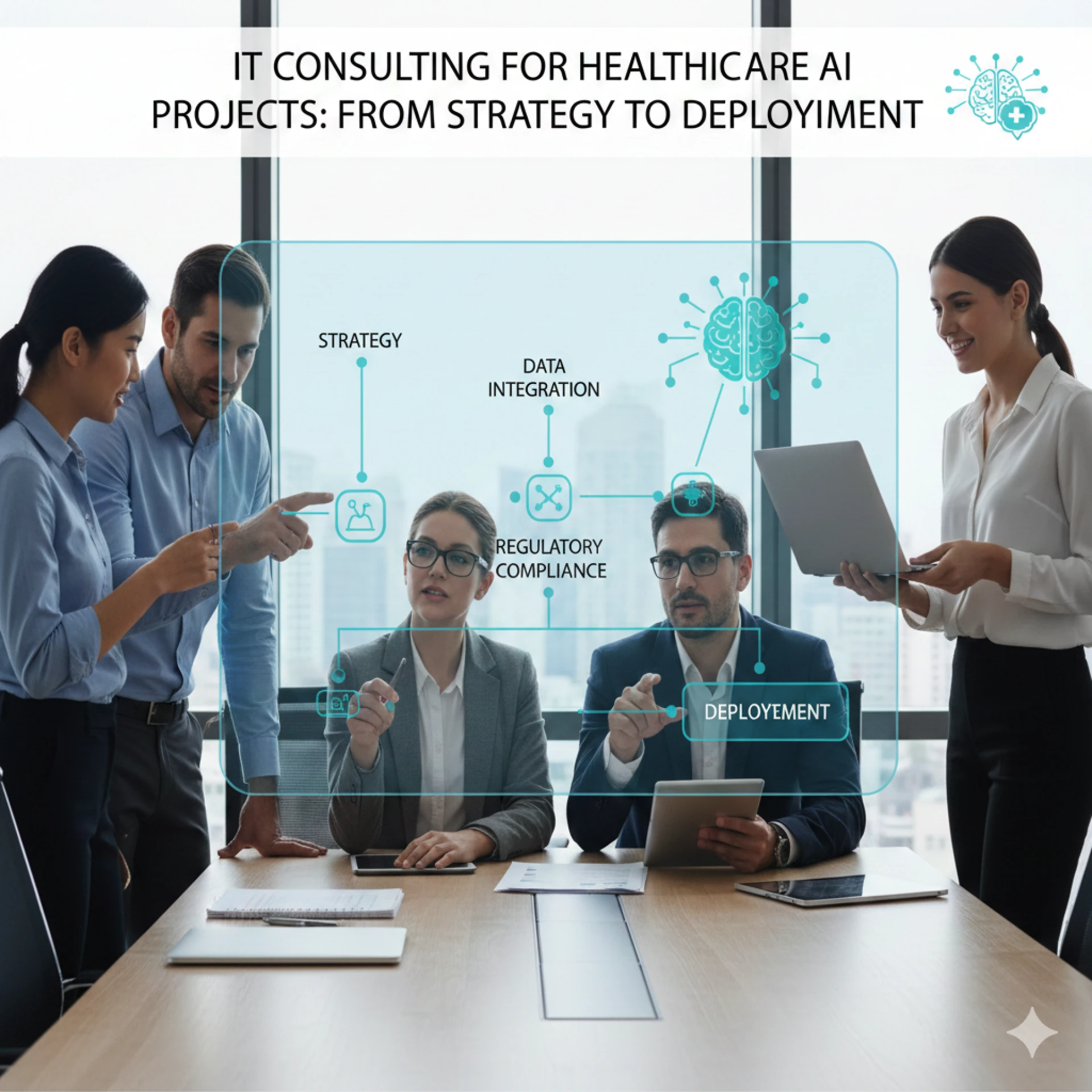

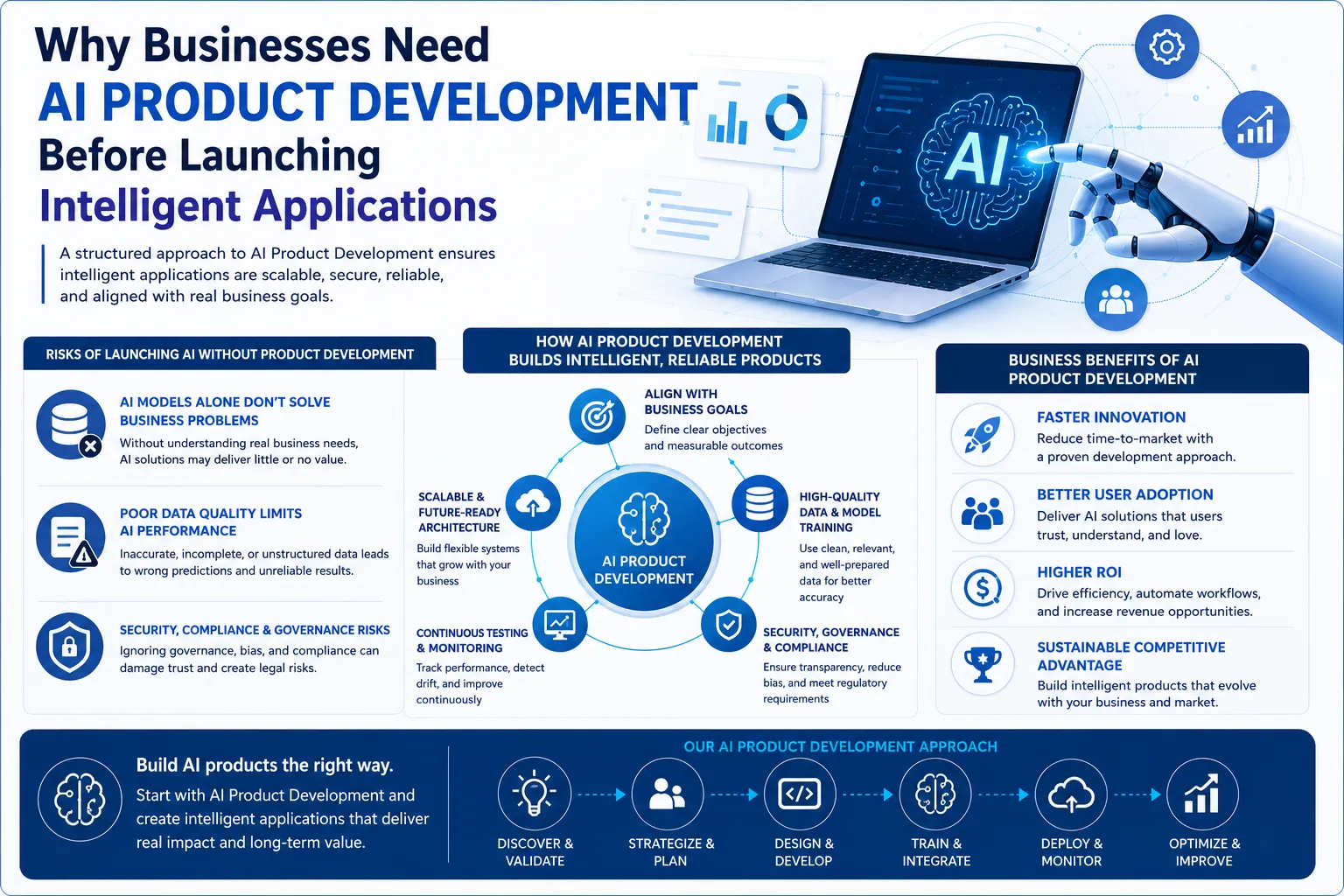
Artificial intelligence is no longer experimental in healthcare—it is operational, measurable, and transformational. Yet hospitals, payers, and digital health enterprises often struggle to move from AI exploration to successful implementation. This is where IT consulting for healthcare become a mission-critical enabler, providing the technical, strategic, and compliance-driven expertise required to build reliable AI systems.
This article breaks down how healthcare IT consultants help organizations identify the right AI opportunities, design feasible implementation paths, and deploy models that integrate seamlessly with existing health systems.
AI Opportunities in Healthcare
Predictive Analytics
IT consulting for healthcare plays a central role in designing AI-driven predictive analytics models that help providers forecast patient deterioration, readmission risk, appointment no-shows, and staffing demand. Consultants analyze structured and unstructured datasets, identify patterns, and build predictive frameworks aligned with clinical workflows.
Automated Documentation
The administrative burden in healthcare continues to rise. AI-powered automated documentation helps reduce manual charting, coding errors, and repetitive data entry. Healthcare IT consultants determine the right natural language processing (NLP) tools, clinical documentation improvement (CDI) workflows, and EHR integration pathways to automate documentation without disrupting existing operations.
Smart Scheduling & Triage
AI-enabled scheduling engines and digital triage tools improve throughput, reduce patient wait times, and optimize resource usage. Consultants evaluate operational gaps and deploy smart algorithms that match provider availability, patient urgency, and historical trends.
What AI Consultants Deliver
Feasibility Assessments
Before any AI project begins, feasibility is critical. IT consulting for healthcare ensures that organizations have the required data quality, regulatory readiness, IT infrastructure, and workflow capacity to adopt AI responsibly. Consultants validate use-case viability and ROI potential before hospitals commit to major investments.
Tech Stack Evaluation
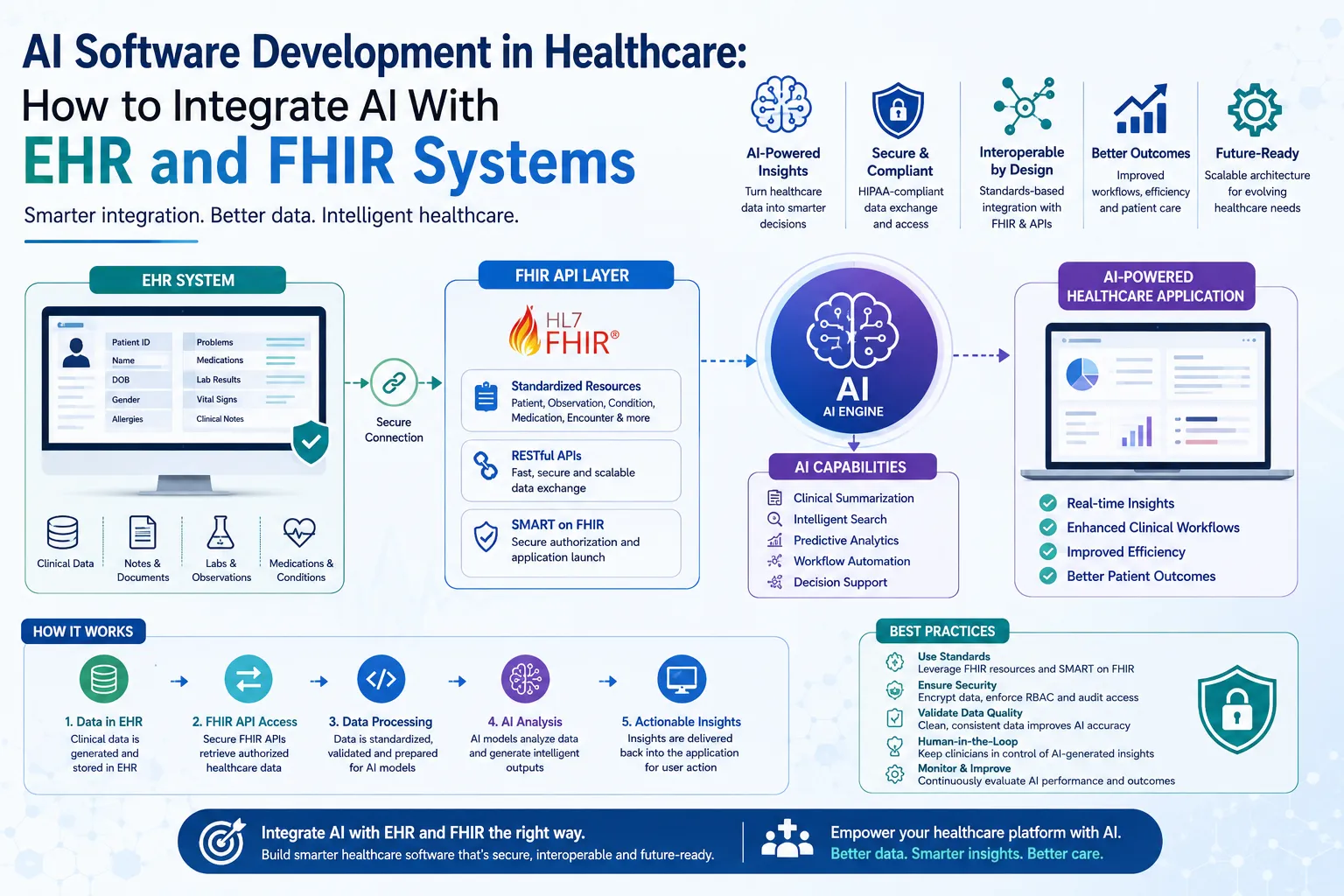
Choosing the wrong stack can delay AI adoption by months. Consultants assess cloud platforms, EHR APIs, compliance requirements, and data pipelines. They recommend scalable, secure, HIPAA-compliant architectures—often built on FHIR, HL7, and interoperable microservices—to support long-term AI automation.
AI Model Integration with EHRs
A major challenge is embedding AI models inside clinical systems like Epic, Cerner, or Allscripts. IT consulting for healthcare provides expertise in:
- EHR integration frameworks
- API orchestration
- Data normalization
- Workflow embedding (alerts, dashboards, recommendations)
This ensures that AI outputs appear directly in the clinician’s workflow rather than in disconnected portals.
Implementation Roadmap
MVP Creation
Healthcare IT consultants adopt a minimum viable product (MVP) strategy to reduce risk and accelerate launch. They select one high-impact workflow, build the initial AI model, integrate core datasets, and deploy a controlled pilot to test assumptions.
Model Validation
Before scaling, consultants validate AI performance using clinical-grade validation methods—accuracy testing, sensitivity/specificity evaluation, bias checks, and scenario-based simulation. This ensures reliability, safety, and regulatory readiness.
Continuous Monitoring
AI systems require ongoing tuning. Consultants establish real-time monitoring of dashboards, quality scorecards, and drift detection mechanisms. This ensures AI remains accurate even as patient populations, workflows, and datasets evolve.
Conclusion
AI can transform healthcare operations—but only when executed with the right strategic, technical, and compliance guidance. IT consulting for healthcare helps organizations navigate the complexities of AI deployment, ensuring models perform reliably, integrate seamlessly with EHRs, and support measurable clinical and operational outcomes.


























Sign in to leave a comment.