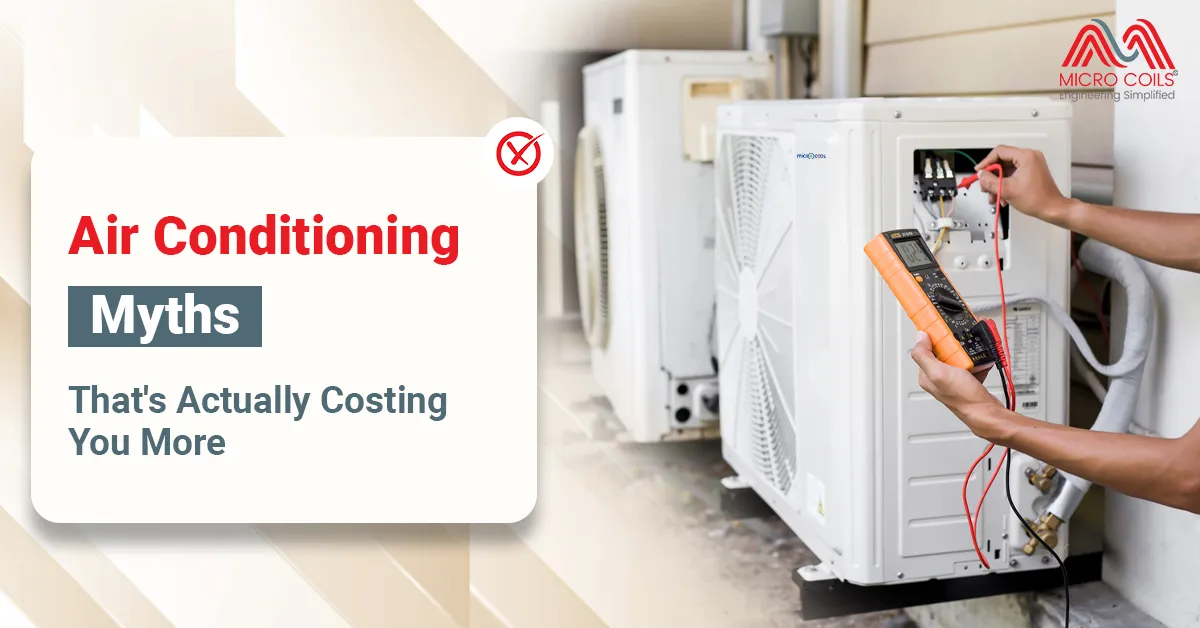

Air conditioning is something most of us rely on every day, especially during the warmer months. Yet despite using air conditioners regularly, many homeowners continue to believe myths that can increase energy consumption, reduce cooling efficiency, and shorten the lifespan of their HVAC systems. While some of these misconceptions have been passed down for years, others are based on outdated advice that no longer applies to modern air conditioning systems.
Believing these myths doesn't just affect your comfort. It can also lead to unnecessary repairs, poor indoor air quality, and higher electricity bills. Understanding how your AC system actually works allows you to make smarter decisions, improve efficiency, and avoid avoidable maintenance costs.
Let's separate fact from fiction by debunking some of the most common air conditioning myths.
Myth 1: Lowering the Thermostat Cools Your Home Faster
One of the biggest misconceptions is that setting the thermostat to an extremely low temperature will cool your home more quickly. In reality, your air conditioner cools at a consistent rate regardless of the temperature setting.
Setting the thermostat much lower than necessary simply forces the system to run for a longer period until it reaches the desired temperature. This increases electricity usage without cooling your space any faster. A comfortable, consistent thermostat setting is far more efficient than making frequent adjustments throughout the day.
Myth 2: Bigger Air Conditioners Deliver Better Performance
Many people assume that installing a larger air conditioner automatically results in better cooling. However, an oversized system often creates more problems than it solves.
A unit that's too large cools the room too quickly and shuts off before completing a full cooling cycle. This leaves excess humidity in the air, causes uneven temperatures, and increases wear on the equipment due to frequent starting and stopping.
Choosing the right-sized system ensures balanced cooling, improved energy efficiency, and greater comfort throughout your home.
Myth 3: Air Filters Only Need Changing Once a Year
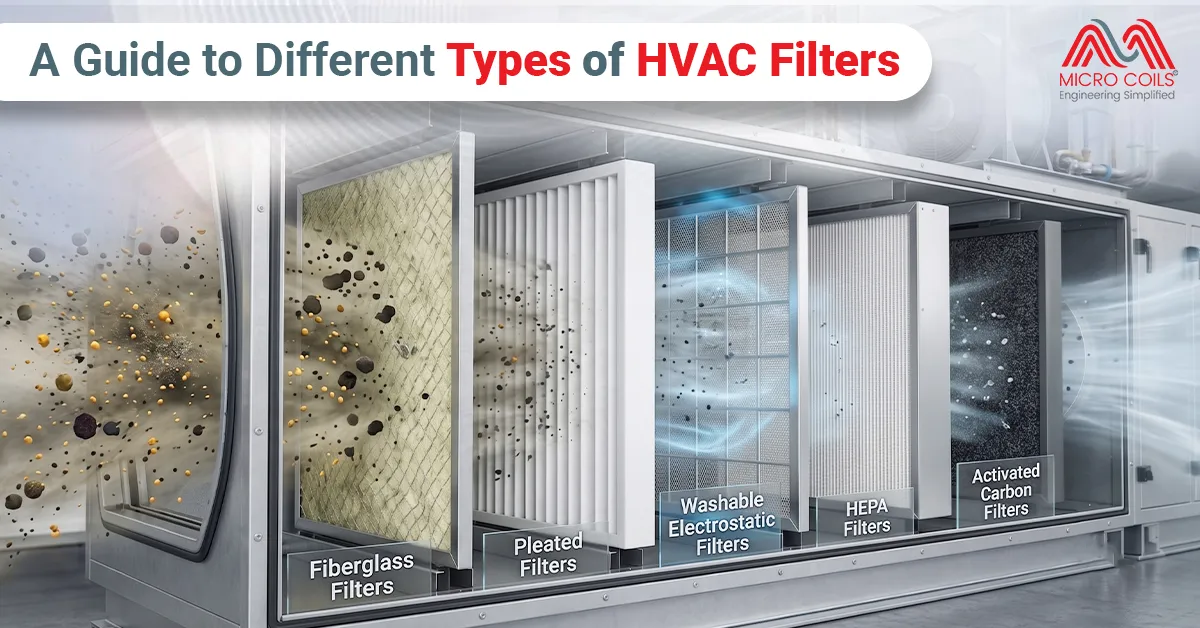
Air filters play a critical role in your HVAC system by trapping dust, pollen, and airborne particles before they circulate indoors. Waiting an entire year to replace them is one of the most common maintenance mistakes.
Dirty filters restrict airflow, forcing your air conditioner to work much harder. This not only increases electricity consumption but also places unnecessary stress on important components such as the compressor and evaporator coil. Replacing filters every one to three months helps maintain proper airflow and supports the efficient operation of the AC cooling coil.
Myth 4: Closing Vents Saves Energy
It seems logical that closing vents in unused rooms would reduce energy consumption. Unfortunately, the opposite is often true.
Modern HVAC systems are designed to distribute air evenly throughout the home. Closing vents increases air pressure inside the ductwork, forcing the system to work harder while reducing overall efficiency. In some cases, the extra pressure can even damage ducts or other system components.
Keeping vents open allows air to circulate properly and helps maintain consistent indoor temperatures.
Myth 5: Maintenance Isn't Necessary Until Something Breaks
Many homeowners postpone maintenance because their air conditioner appears to be working normally. However, waiting until a breakdown occurs often results in more expensive repairs.
Routine servicing allows technicians to inspect electrical components, clean the AC evaporator coil, check refrigerant levels, and identify worn parts before they fail. Preventive maintenance improves efficiency, extends equipment life, and reduces the likelihood of unexpected breakdowns during peak summer months.
Myth 6: Ceiling Fans Lower Room Temperature
Ceiling fans don't actually cool the air. Instead, they create a wind-chill effect that makes people feel cooler by improving air circulation.
Because fans cool people rather than rooms, leaving them running in an empty room only wastes electricity. Turning fans off when no one is present helps reduce unnecessary energy use.
Myth 7: Air Conditioners Don't Need Cleaning
Some homeowners believe that because an air conditioner is enclosed, it remains clean on its own. In reality, dust, dirt, leaves, and debris gradually accumulate inside the system.
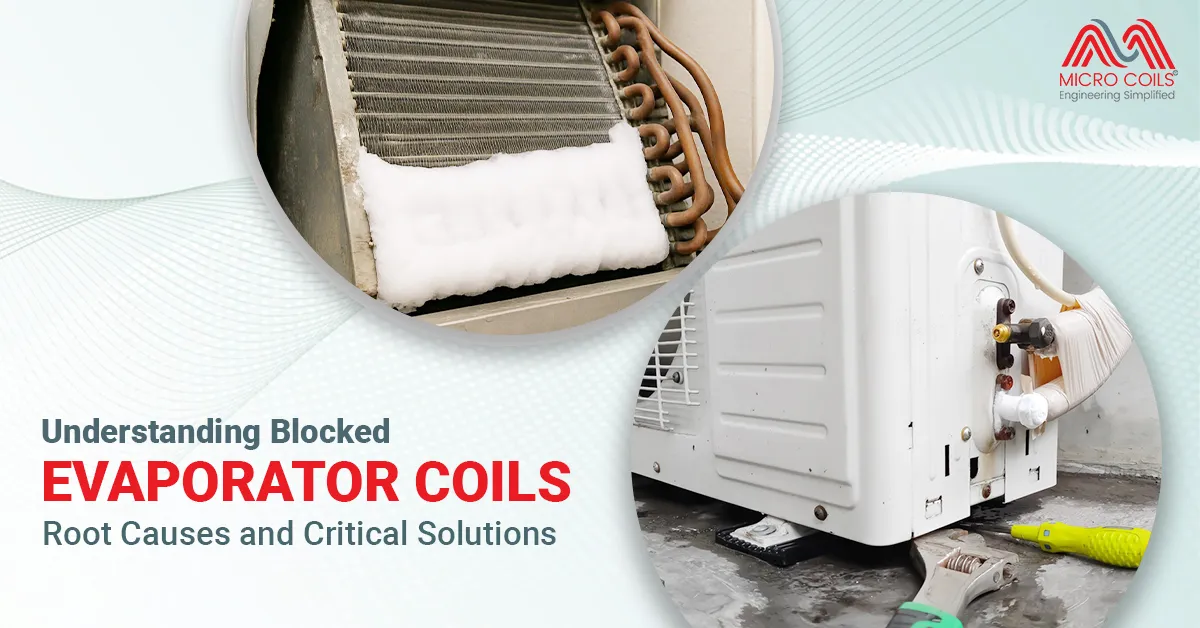
A dirty outdoor condenser struggles to release heat efficiently, while dirt buildup on the evaporator coil reduces heat absorption. As these components become less efficient, cooling performance declines and electricity consumption rises. Regular professional cleaning keeps the system operating at peak performance.
Myth 8: Turning the AC Off Completely Saves the Most Money
Switching your air conditioner off every time you leave home may seem like an effective way to reduce electricity bills, but it isn't always the most efficient strategy.
If your home becomes extremely hot, the system must work much harder to restore a comfortable temperature once you return. Instead, raising the thermostat slightly while you're away allows the system to maintain a reasonable indoor temperature without excessive energy consumption. Smart thermostats make this process even more efficient by adjusting temperatures automatically based on your schedule.
Myth 9: Refrigerant Needs Regular Refilling
Unlike fuel in a vehicle, refrigerant doesn't get "used up." Your air conditioning system operates as a sealed system, meaning refrigerant continuously circulates through the cooling cycle.
If refrigerant levels are low, it's usually because there's a leak somewhere in the system. Simply adding more refrigerant without repairing the leak won't solve the underlying problem and can lead to compressor damage over time.
Why These Myths Can Cost You More?
Many of these misconceptions cause homeowners to unknowingly increase their electricity usage while reducing the lifespan of their HVAC system. Poor maintenance, restricted airflow, dirty coils, and incorrect thermostat settings all force the equipment to work harder than necessary.
Small habits such as replacing air filters regularly, scheduling annual maintenance, cleaning outdoor units, and maintaining a steady thermostat setting can make a significant difference in overall performance and operating costs.
Taking care of critical components like the evaporator coil, AC cooling coil, and AC evaporator coil also improves indoor air quality and helps the system deliver consistent cooling throughout the year.
Final Thoughts
Air conditioning myths often sound convincing, but following outdated advice can lead to higher electricity bills, unnecessary repairs, and reduced system efficiency. Understanding how your HVAC system actually works empowers you to make better decisions that protect both your comfort and your investment.
Regular maintenance, proper thermostat settings, timely filter replacement, and professional inspections all contribute to long-lasting performance. By separating fact from fiction and caring for essential components like the evaporator coil, your air conditioner will operate more efficiently, provide better indoor comfort, and continue performing reliably for years to come.

























Sign in to leave a comment.