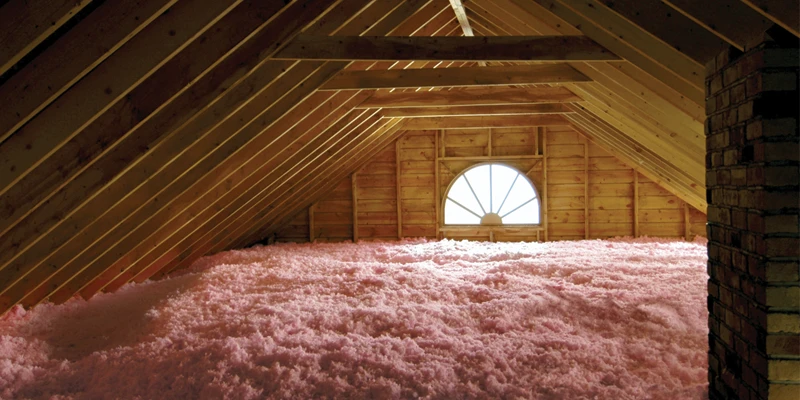

Thermal bridging occurs when heat transfers through building materials more easily than through surrounding insulation, creating weak points in the building envelope. These areas often lead to higher energy bills, uneven indoor temperatures, and long-term structural concerns. Proper blown-in attic insulation service is one of the most practical methods for reducing thermal bridging in residential and commercial properties. By filling gaps and covering irregular surfaces, it creates a more continuous thermal barrier. This article provides a technical and practical review of how blown-in insulation mitigates thermal bridging, comparing it with other methods and explaining its long-term benefits.
How Blown-In Attic Insulation Addresses Thermal Bridging
Blown-in insulation works by filling cavities and covering framing members that typically act as thermal bridges. Its loose-fill form makes it adaptable to irregular spaces, creating a uniform thermal layer.
The Science of Thermal Bridging
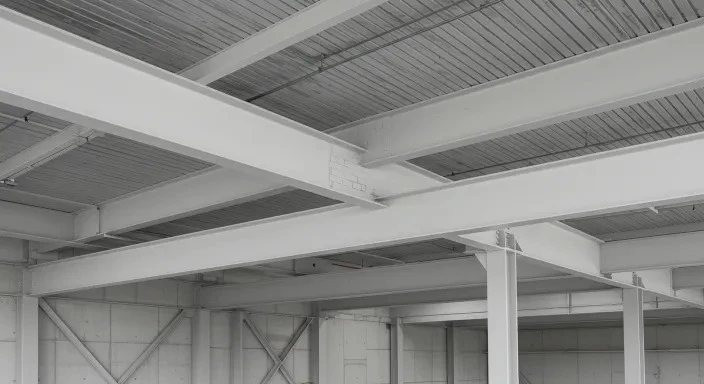
Thermal bridging occurs when conductive materials such as wood or steel transfer heat faster than insulation. In attics, framing and joists often bypass batt insulation, leaving continuous heat-loss pathways. This can account for up to 30% of energy inefficiency in poorly insulated properties.
Why Blown-In Insulation Reduces Heat Transfer
Blown-in insulation, whether fiberglass, cellulose, or mineral wool, flows around joists, pipes, and wiring. This reduces direct contact points where heat can escape. The result is a more consistent thermal barrier that lowers conductive heat loss through the attic structure.
Types of Blown-In Insulation for Attic Applications
Different blown-in insulation materials provide varying levels of performance against thermal bridging.
Cellulose Insulation
Cellulose is made from recycled paper treated with fire-retardant chemicals. It has a high density, which makes it effective at limiting air leakage in addition to reducing conductive heat transfer.
Fiberglass Insulation
Fiberglass blown-in insulation consists of small glass fibers that resist heat conduction. It is lightweight, resists moisture, and offers a reliable thermal performance at lower cost.
Mineral Wool Insulation
Mineral wool provides both thermal and acoustic benefits. Its higher fire resistance and durability make it suitable for commercial properties with stricter safety requirements.

Application Process and Installation Considerations
Blown-in insulation requires proper installation to effectively address thermal bridging.
Preparation and Air Sealing
Before insulation is added, gaps and penetrations in the attic floor should be sealed. Air leakage can undermine the effectiveness of insulation, making air sealing a critical first step.
Achieving Correct Depth and Coverage
The insulation must be applied to a consistent depth across the entire attic floor. Uneven distribution can leave thermal bridges unaddressed, reducing overall performance.
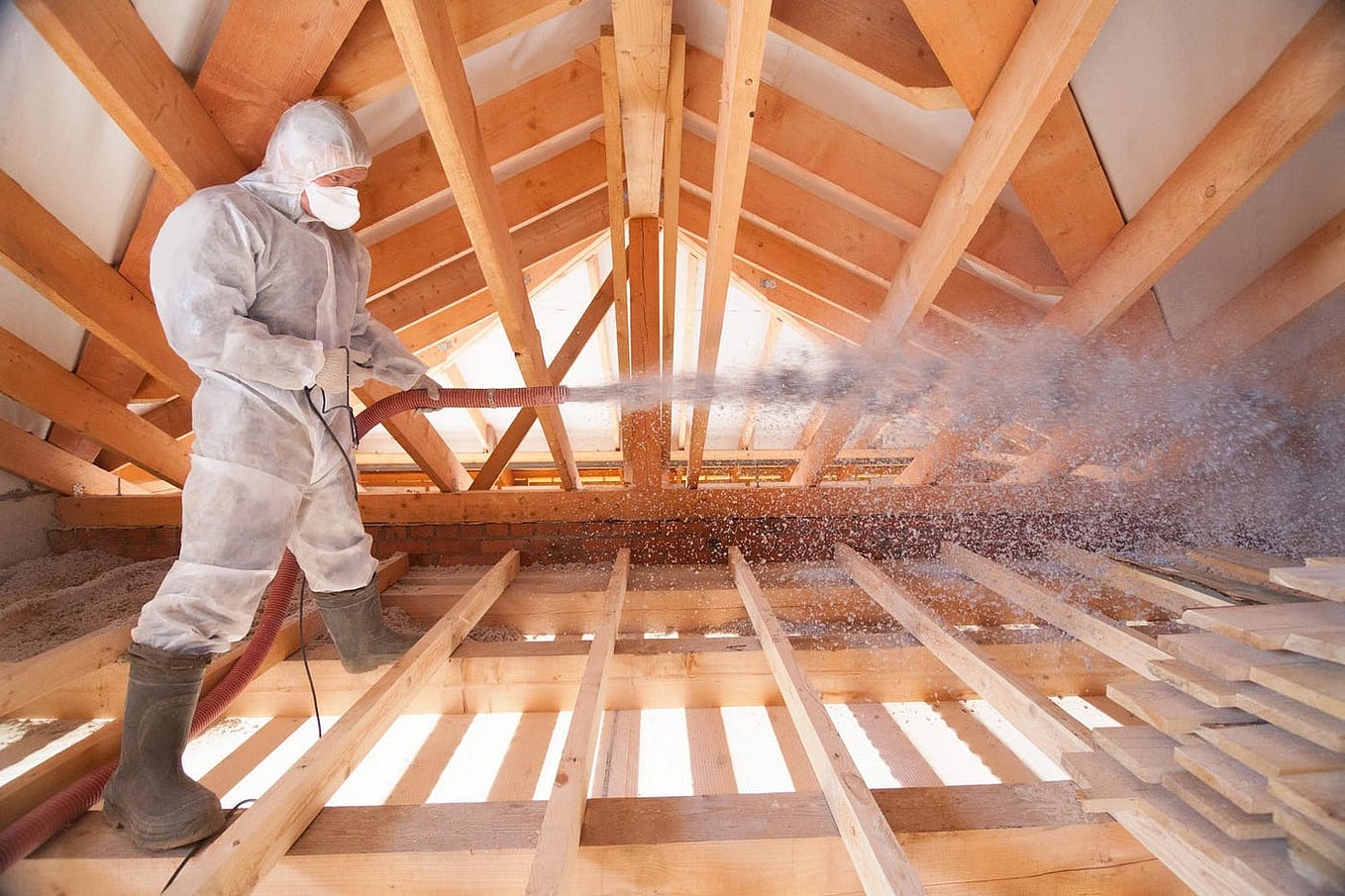
Professional Equipment and Techniques
Specialized blowing machines distribute insulation evenly. Proper calibration ensures material density is maintained, which is necessary to prevent settling over time.
Blown-In Insulation Compared to Other Methods
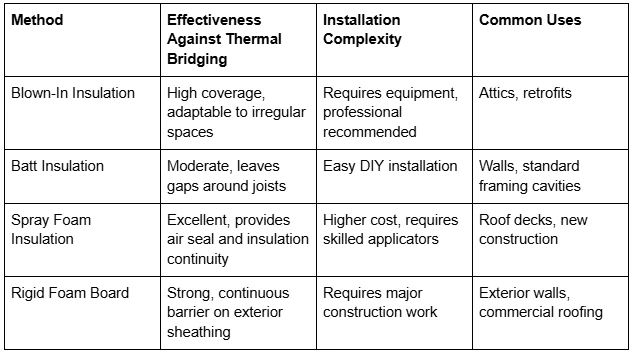
Blown-in insulation is one of several methods used to mitigate thermal bridging. The following table compares it with alternatives:
Long-Term Durability and Maintenance
The performance of blown-in insulation depends on both the material and maintenance over time.
Settling and Compression
Over years, some blown-in materials may settle, reducing coverage depth. Cellulose is more prone to this than fiberglass, but proper installation minimizes the effect.
Resistance to Moisture and Pests
Fiberglass resists mold growth, while cellulose requires proper ventilation to remain effective. Mineral wool offers superior resistance to both moisture and pests, making it durable in challenging conditions.
Inspection and Top-Ups
Periodic inspections are recommended. If insulation has settled below recommended levels, additional material can be added to restore coverage and performance.
Compliance with Building Standards and Energy Codes
Modern building codes emphasize continuous insulation to address thermal bridging.
Energy Code Requirements
Codes such as the International Energy Conservation Code (IECC) require minimum R-values for attic insulation. Blown-in insulation makes it easier to meet or exceed these standards because it can be layered to the required depth.
Fire Safety and Performance Ratings
Cellulose insulation is treated with fire-retardants, while fiberglass and mineral wool are naturally non-combustible. Compliance with safety standards such as ASTM C739 ensures reliability in residential and commercial applications.
Common Question: Does Blown-In Insulation Eliminate All Thermal Bridging?
Blown-in insulation significantly reduces thermal bridging but does not eliminate it entirely. Framing materials will still transfer some heat. However, by filling gaps and covering irregularities, blown-in insulation minimizes the overall effect, leading to noticeable improvements in energy efficiency and indoor comfort.
Conclusion
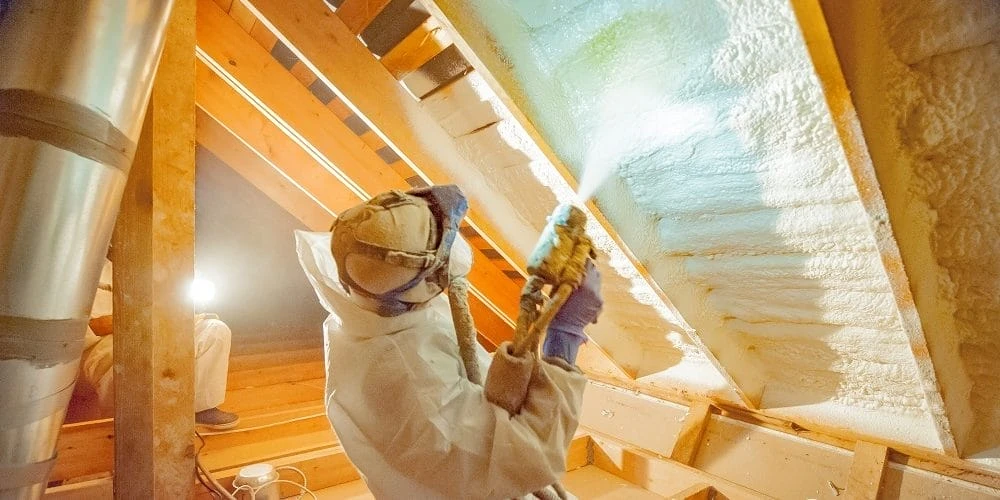
Expert spray foam insulation company offers a practical solution to mitigate thermal bridging in both residential and commercial buildings. By creating a continuous thermal layer, it reduces conductive heat transfer through framing and irregular surfaces. Compared with batts, spray foam, and rigid boards, blown-in insulation balances effectiveness, cost, and adaptability, making it especially useful for retrofits and existing properties. Long-term performance depends on correct installation, regular inspections, and alignment with building codes. For property owners, investing in blown-in insulation provides measurable energy savings, improved comfort, and greater compliance with modern efficiency standards.
FAQs
What type of blown-in insulation is best for reducing thermal bridging?
Cellulose provides high density and good air sealing, while fiberglass resists moisture and settling. Both effectively reduce thermal bridging when installed to proper depth.
Can blown-in insulation be added over existing attic insulation?
Yes. Blown-in insulation can be applied over batts or older loose-fill materials to increase depth and improve coverage. Proper air sealing should be completed first.
How long does blown-in insulation last before it needs replacement?
With proper installation and ventilation, blown-in insulation can last 20–30 years. Periodic inspections ensure performance remains consistent.
Does blown-in insulation improve summer cooling efficiency?
Yes. By limiting heat transfer through the attic, blown-in insulation helps maintain lower indoor temperatures in summer, reducing reliance on cooling systems.
Is blown-in insulation suitable for commercial properties?
Yes. Both mineral wool and fiberglass blown-in insulation are widely used in commercial buildings for their fire resistance, durability, and thermal performance.
Reviewer: Jacob Wright has 6 years of experience in spray foam insulation. He reviewed this content and made sure it focused on the real decisions small business owners deal with every day.


























Sign in to leave a comment.